
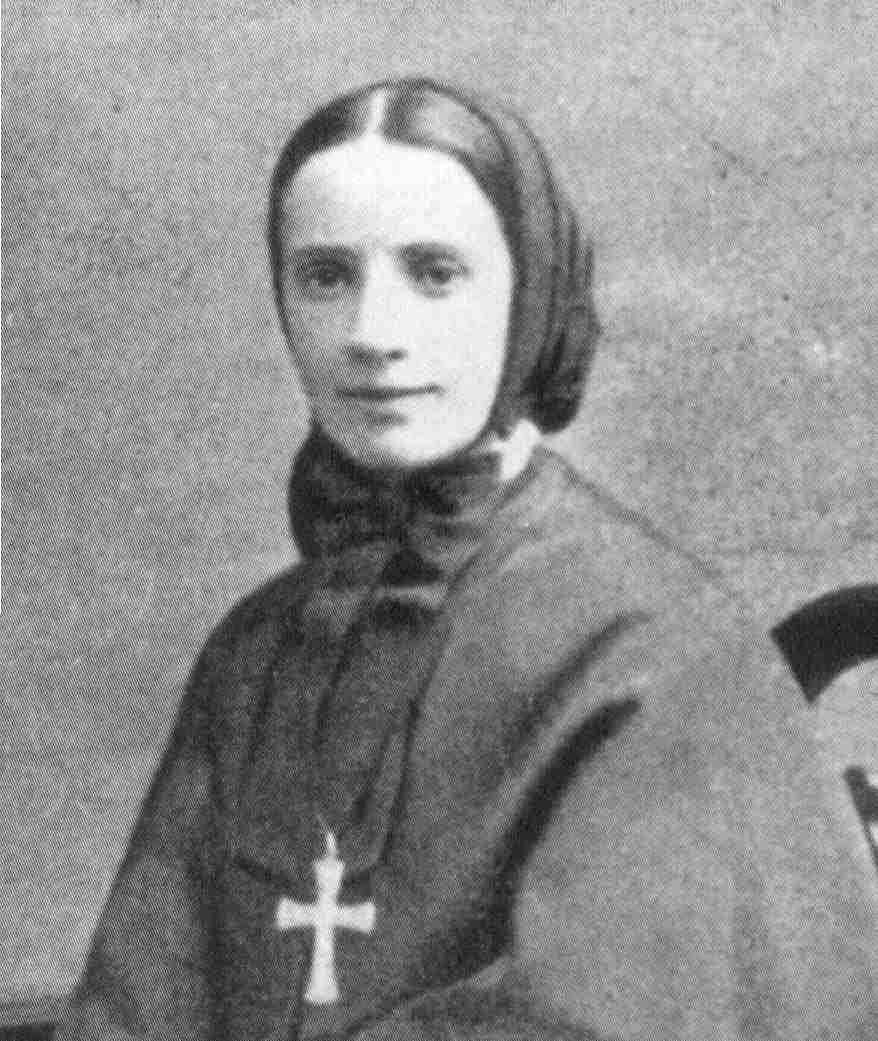
In March 1921, four years after Mother Cabrini's death, a premature infant named Peter Smith was admitted to the nursery of Columbus Hospital — the Manhattan hospital Mother Cabrini herself had founded thirty years earlier. A nurse, mistakenly using a solution of fifty-percent silver nitrate intended for surgical instruments instead of the standard one-percent eye-drop solution, instilled the caustic chemical into the newborn's eyes. The ophthalmologist on staff examined him within hours and declared the corneas chemically destroyed; the boy would be permanently blind.
The Cabrini sisters had laid out a Mother Cabrini relic in the chapel that morning. The infant's grandmother, who had come for the baptism, brought the relic from the chapel and laid it on the baby's bandaged face. The sisters and the family prayed together for Mother Cabrini's intercession through the night.
The ophthalmologist returned in the morning to remove the bandages, expecting to confirm the blindness. The corneas were clear. The eyes were unmarked. The doctor — Dr. Michael Horan, not a Catholic — examined the child repeatedly over the following months and could find no medical explanation. Both Dr. Horan and the supervising physician submitted written, signed testimony to the diocesan inquiry.
Peter Smith grew up with normal vision, was ordained a Catholic priest of the Archdiocese of New York in 1942 (taking the name Fr. Peter), and personally testified at the Vatican investigation. His healing was accepted as the miracle for Mother Cabrini's 1946 canonization — the canonization of the first US citizen as a saint of the Catholic Church.