
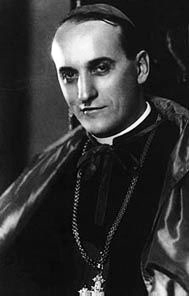
Alojzije Stepinac was born on May 8, 1898 at Brezarić in the Kingdom of Croatia-Slavonia. Ordained priest in 1930, Alojzije was consecrated Archbishop-Coadjutor of Zagreb in 1934 — at the young age of 36.
In 1937, on the death of Cardinal Bauer, Alojzije became Archbishop of Zagreb. During the Second World War, Alojzije undertook the systematic public denunciation of the Ustaše (Croatian fascist) regime's systematic persecution of Serbs, Jews, and Roma — the documented Catholic-episcopal denunciation of the Ustaše death-camps.
Alojzije personally organized the systematic rescue of thousands of Croatian Jews from the Ustaše regime and the Nazi occupation — the 'Zagreb rescue' tradition documented by Jewish historians.
Following the 1945 Yugoslav Communist takeover, Alojzije undertook the systematic public denunciation of the Tito regime's anti-Catholic persecution.
In 1946, Alojzije was arrested by the Yugoslav Communist government and condemned to 16 years hard labor at the Lepoglava Prison. In 1951, following the significant international Catholic protest, Alojzije was transferred to house arrest at his native village of Krašić.
In 1953, Pope Pius XII created Alojzije Cardinal in absentia — the papal recognition of the anti-Communist confessor.
He died at Krašić on February 10, 1960 under continuing house arrest — of polycythemia vera, possibly deliberately induced by Communist authorities.
Beatified October 3, 1998 by Pope St. John Paul II — the papal recognition of the anti-totalitarian confessor tradition.