
Anthelm was born around 1107 to a noble Savoyard family at the Château de Chignin in Savoy. After early secular life as a canon of the chapter of Belley, he undertook the Carthusian-monastic life around 1137, entering the Carthusian-Order daughter-house of Portes.
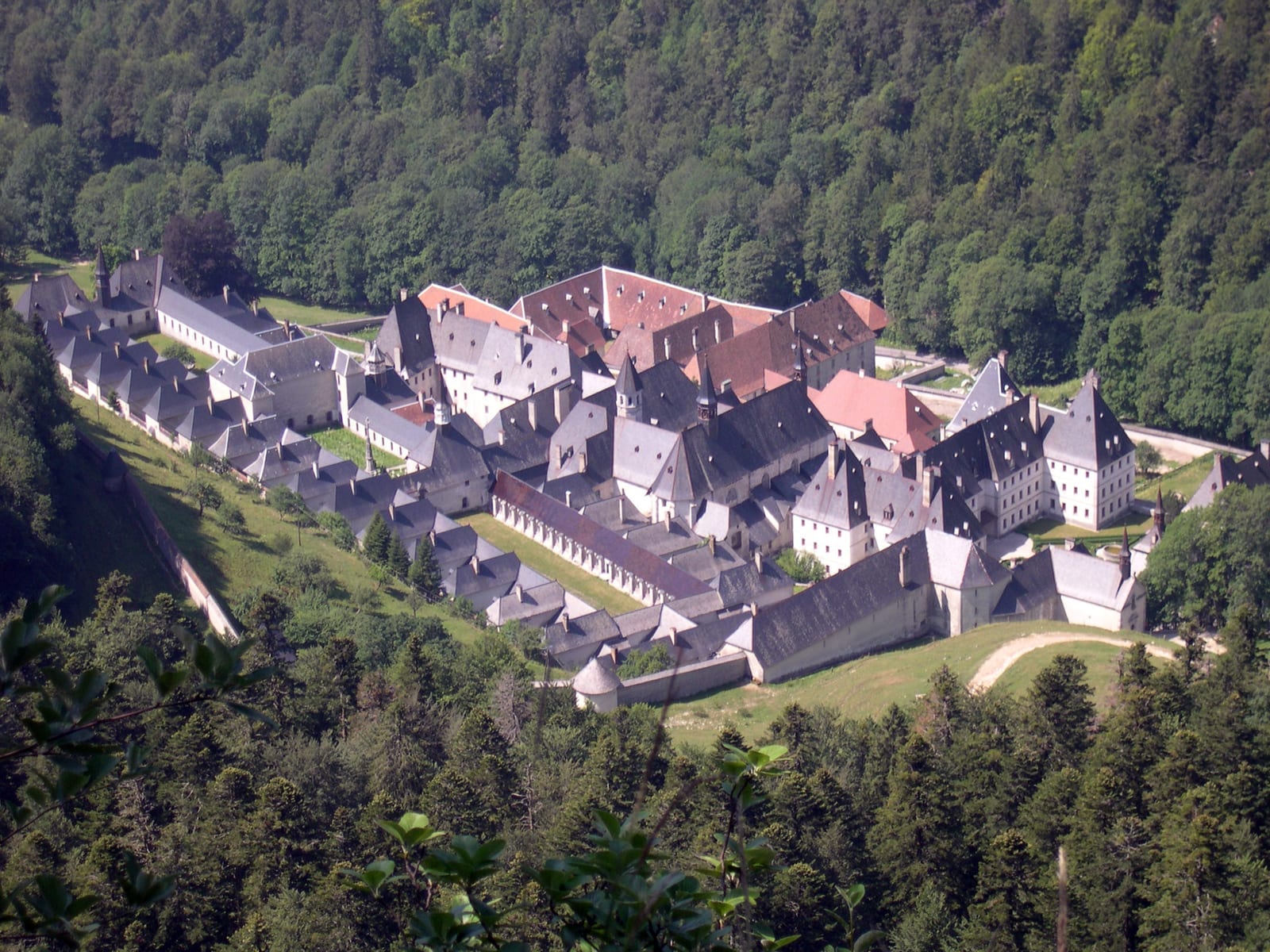
Around 1139 he was transferred to the mother-house of the Grande Chartreuse in Dauphiné — the principal Carthusian foundation founded by St. Bruno of Cologne and Bishop Hugh of Grenoble in 1084. The Grande Chartreuse had been severely damaged by a catastrophic avalanche in 1132 that had killed seven Carthusian monks (the seven martyrs of the Grande Chartreuse avalanche); the community was rebuilding under difficult conditions.
In 1139 Anthelm was elected the seventh Prior of the Grande Chartreuse — taking up the institutional governance of the Carthusian Order at the hour of its institutional consolidation. His fourteen-year priorship (1139–1153) is the institutional-organizational consolidation period of the Carthusian Order.
Anthelm's principal institutional innovation was the convening of the first General Chapter of the Carthusian Order in 1140 at the Grande Chartreuse — institutionally establishing the annual general-chapter governance pattern (in parallel with the contemporary Premonstratensian and Cistercian general-chapter systems) that transformed the previously charismatic-individual Carthusian foundation into the durable medieval religious-order institutional structure.
He also undertook the expansion of the Carthusian Order with the affiliation of the existing Carthusian daughter-houses (Portes, Meyriat, Sélignac, Ecouges, etc.) into the unified Carthusian-Order institutional architecture, and founded the first Carthusian women's-monastic foundation at Prébayon — institutionally inaugurating the Carthusian women's-monastic tradition that would extend through the medieval Catholic centuries.
In 1153 he resigned the Grande Chartreuse priorship and returned briefly to the Carthusian house of Portes. In 1163 — at the request of Pope Alexander III — he accepted the episcopal consecration as Bishop of Belley in Savoy.
His fifteen-year episcopate at Belley (1163–1178) was devoted to the pastoral reform of the Savoyard diocese; he famously refused to endorse the schismatic antipope Victor IV against Pope Alexander III, maintaining firm loyalty to the canonical pope during the politically-divisive Becket-controversy and Frederick Barbarossa-schism era.
He died at Belley on June 26, 1178.