
MIRACULOUS MIRACLES™

Saint — Athanasius of Alexandria

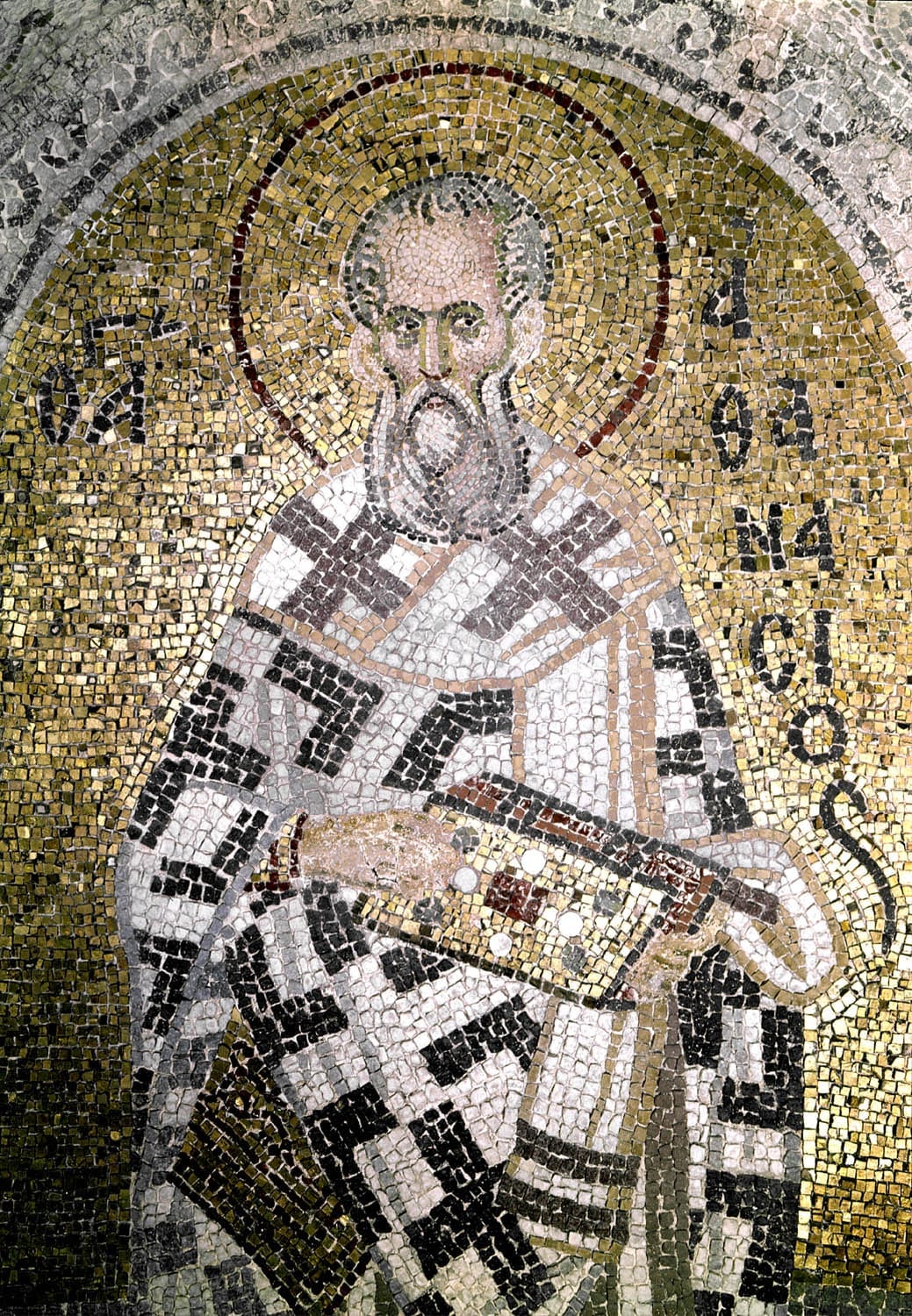
St. Athanasius of Alexandria
c. AD 296 — May 2, 373
Pillar of the Church — Doctor of the Church
Cathedral of St. Athanasius, Alexandria, Egypt
Feast
May 2
Doctor of the Church
Yes
Life

Athanasius was a deacon and secretary to the bishop of Alexandria at the time of the First Council of Nicaea (325), where the great question of the divinity of Christ was decisively settled against the Arians. At twenty-eight he was elected Patriarch of Alexandria, an office he held for forty-five years — though he spent seventeen of them in five separate exiles imposed by Arian emperors and bishops.

His most enduring work is the brief, luminous On the Incarnation, written in his youth: 'The Son of God became man so that we might become God.' He also wrote the foundational Life of Antony — the great desert father who had been his friend — which spread Christian monasticism across the empire and helped convert Augustine.

His Easter Letter of 367 is the first surviving document to list exactly the twenty-seven books of the New Testament as Sacred Scripture — defining the canon that the universal Church would accept. He died at Alexandria in 373; the post-Nicene Church called him 'the great Athanasius.' Cardinal Newman would write: 'His name will ever be remembered as the chief defender of our Lord's divinity in the early Church.'

Miracles & Phenomena
  • Athanasius Contra Mundum

    His decades-long defence of the Nicene faith against five Arianising emperors, multiple synods, and the majority of his fellow bishops, gave rise to the phrase Athanasius contra mundum — 'Athanasius against the world.' The doctrinal preservation of the Church is the great work of his life.

  • The Discovery of the Body of St. Antony

    Athanasius's friendship with the desert father St. Antony — whom he visited in the wilderness, who appeared in his dreams during exile, and whose Life he wrote — was itself a fountainhead of monasticism. Many of the desert sayings preserved come ultimately from Athanasius.

Relics
  • Body
    Relics of St. Athanasius
    St. Mark's Basilica, Venice; principal relics returned to St. Mark's Coptic Orthodox Cathedral, Cairo (1973)

    His relics were translated to Venice in the Middle Ages. Pope Paul VI returned a portion of them to the Coptic Patriarchate in 1973 in an ecumenical gesture, where they now rest in the Cathedral of St. Mark in Cairo.

Iconography
  • Athanasius in Episcopal Vesture

    Depicted as patriarch in liturgical vestments with the Gospel book — often holding a scroll inscribed with key Nicene texts or his On the Incarnation. In Eastern icons he is typically shown beardless or with a short beard, in contrast to the long-bearded Eastern fathers.

Patronages
TheologiansDefenders of orthodoxyAlexandriaThe Coptic Orthodox Church
Sources & Further Reading