
Bega (Old English Bēga; Latin Bega; modern Bee) was — per the substantial medieval Cumbrian hagiographic tradition (the 12th-century Vita Sanctae Begae composed at the substantial medieval St Bees Priory) — an Irish princess of the substantial early-7th-century Irish royal nobility who fled an arranged marriage by escaping across the Irish Sea on a substantial small coracle and landed on the substantial small western Cumbrian coast at the substantial small location that became St Bees ('Bega's monastic-site').
She established herself as a substantial anchoress at the substantial small Cumbrian coastal location around 650 AD, living substantially in a substantial small hermit-cell at the substantial small Cumbrian rocky promontory. The substantial small Cumbrian population gradually substantially gathered around her substantial small anchoress-cell, and the substantial small continuous St Bees Catholic community developed substantially from the small anchoress-foundation.
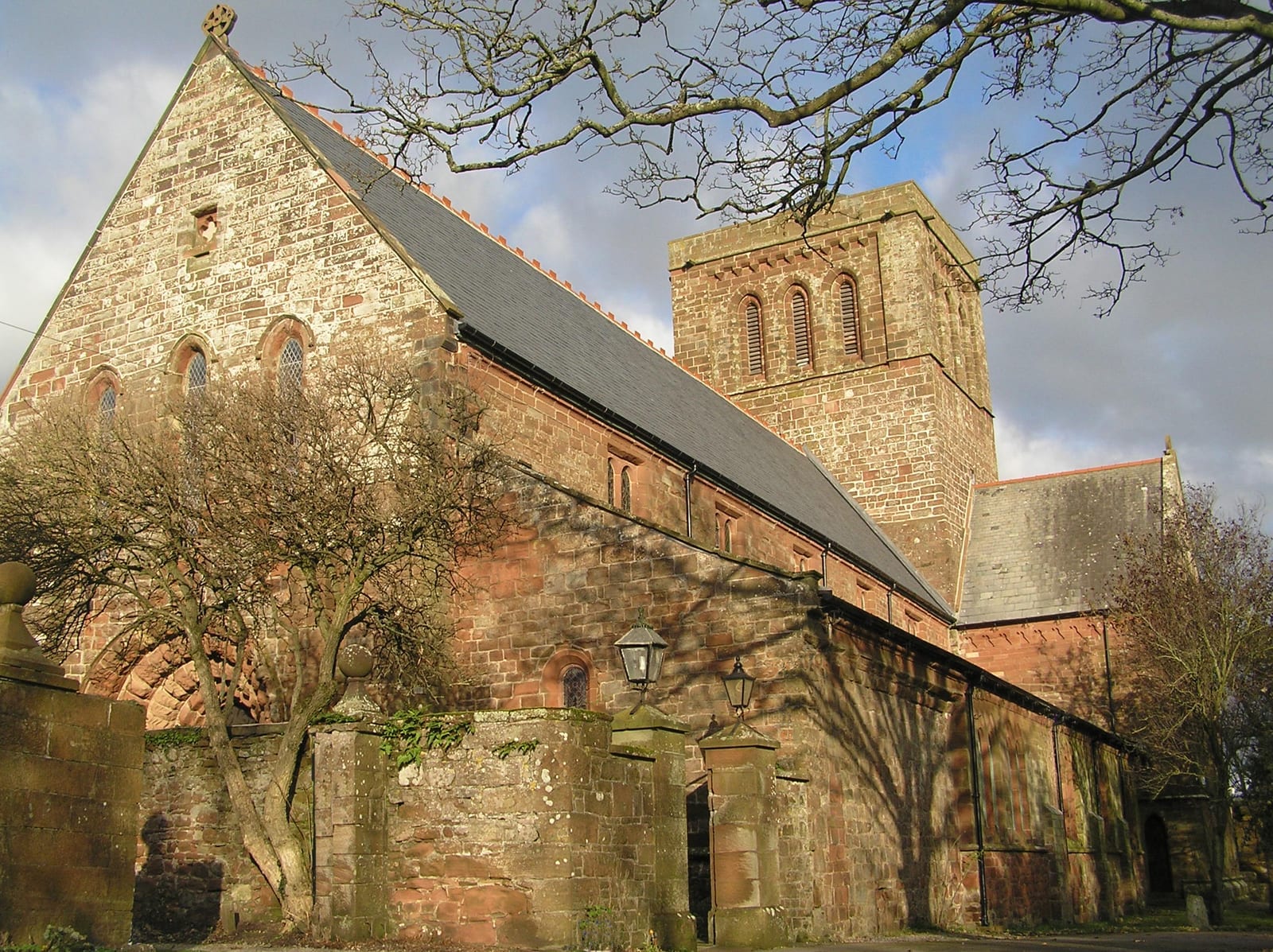
She died substantially around 681 AD at her substantial small St Bees location. The substantial medieval Priory of St Bees (a substantial 12th-century Norman-Benedictine foundation built substantially over her continuous original anchoress-cell site) was the substantial continuous Cumbrian Catholic pilgrim site through the substantial medieval period. The substantial substantial Priory Church of St Bega — substantially preserved through the substantial 16th-century English Reformation and substantially in continuous use as a substantial Anglican parish church since — is the continuous Cumbrian Catholic-Christian centre.