
MIRACULOUS MIRACLES™

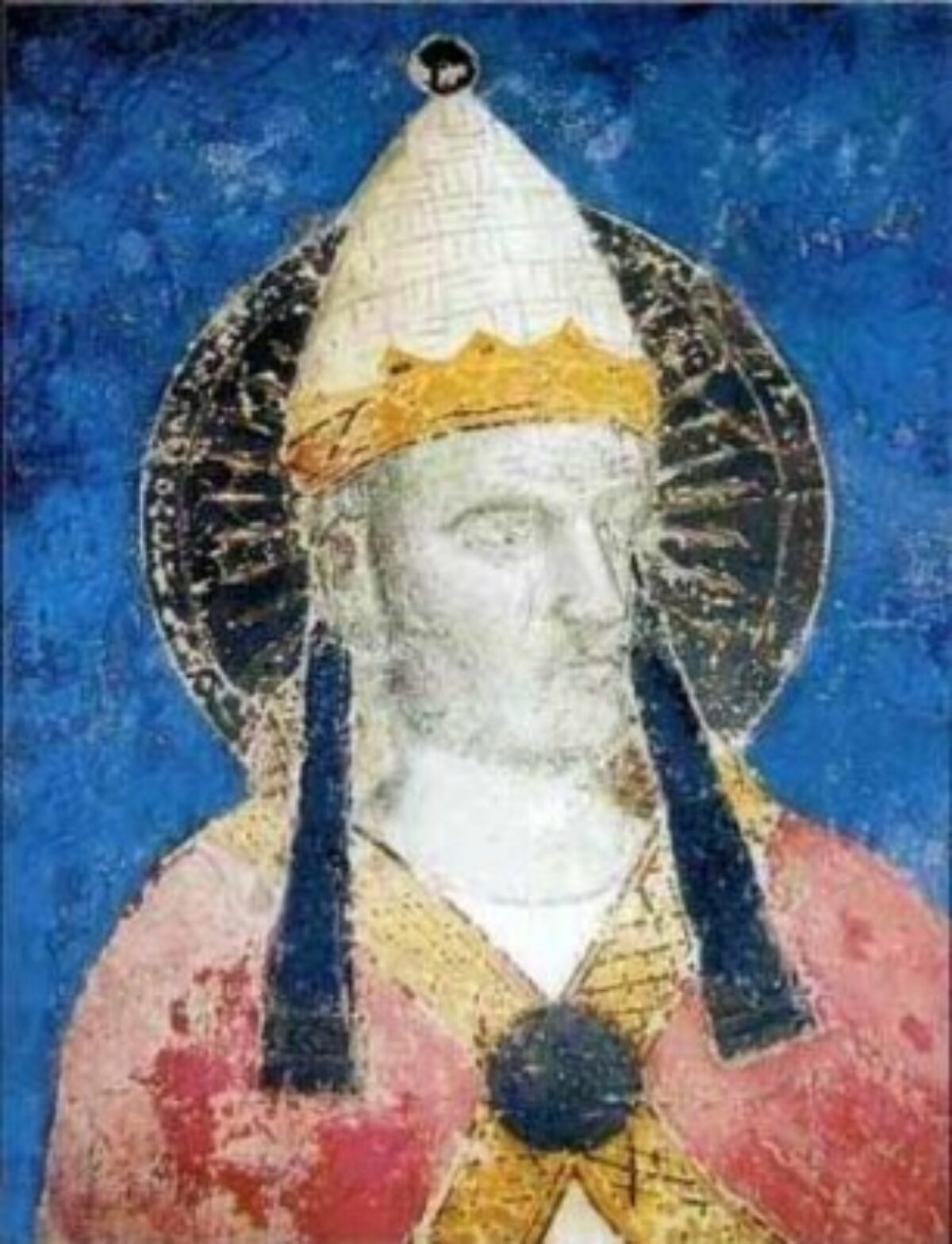
Saint — Bl. Pope Gregory X

Bl. Pope Gregory X
c. 1210 AD, Piacenza, Lombardy (noble Visconti family — the famous later-medieval Milanese Visconti dynasty) — January 10, 1276 AD, Arezzo, Tuscany
184th Pope (1271–1276); convener of the Second Council of Lyon (1274); institutor of the papal conclave
Cathedral of Arezzo, Tuscany, Italy — his tomb; the late-Gothic cathedral of Arezzo, preserving the Gregory X tomb-monument, Italy
Feast
January 10
Canonized
Beatified 1713 by Pope Clement XI
Life

Gregory X (baptismal name Teobaldo Visconti) was born around 1210 to a noble Piacentine family — kinsman of the famous Milanese Visconti dynasty. Educated at the cathedral schools of Piacenza and Lyon, he became archdeacon of Liège.

Teobaldo accompanied Cardinal Ottobuono Fieschi (the future Pope Adrian V) as papal legate to England (1265–1268) during the Barons' War of King Henry III. He subsequently undertook the pilgrimage to the Holy Land in 1271 — arriving at Acre in the company of Prince Edward of England (the future King Edward I).

During the Ninth Crusade at Acre, the news arrived that the papal see had been vacant for nearly three years — since the death of Pope Clement IV on November 29, 1268. The cardinals at Viterbo had been deadlocked in the contested election for over thirty months (producing the famous forced-conclave narrative: the city magistrates of Viterbo had locked the cardinals in the papal palace, torn off the roof, and reduced them to bread-and-water — the literal origin of the term 'conclave', Latin 'cum clave' or 'with a key').

On September 1, 1271, the deadlocked cardinals finally elected Teobaldo Visconti (who was not himself a cardinal, not even in priestly orders at the time — the classic 13th-century compromise-candidate election).

Teobaldo accepted the election and returned to Italy — taking the papal name Gregory X. His pontificate (1271–1276) was devoted to the planning of a new Crusade to the Holy Land, the Second Council of Lyon (May–July 1274), and the institution of the papal conclave procedure.

The Second Council of Lyon (May–July 1274) — convened by Gregory X — undertook the reunion between the Latin-Catholic Western Church and the Greek-Byzantine Eastern Church. Byzantine Emperor Michael VIII Palaeologus sent his delegation to the Council, and on July 6, 1274 the union between the two Churches was formally proclaimed — the first attempted Catholic-Orthodox reunion at the ecumenical-council level (not sustained past the death of Michael VIII in 1282, but institutionally significant as the first serious Catholic-Orthodox ecumenical reunion attempt).

Gregory X also promulgated at the Council the bull 'Ubi Periculum' (July 7, 1274) — the famous institution of the papal conclave: after the three-year deadlock at Viterbo, Gregory X decreed that at the death of a pope, the cardinals must gather in the palace within ten days, be locked into a single chamber (with only strictly necessary attendants), receive only one dish of food per day (reduced to bread and water after eight days), without personal communication with the outside world, until the election of a new pope. The Ubi Periculum conclave procedure (with modifications) remains the basic institutional structure of the papal conclave to the present day.

Gregory X died at Arezzo on January 10, 1276, on the return journey from the Second Council of Lyon to Rome.

Miracles & Phenomena
  • The institution of the papal conclave (Ubi Periculum, July 7, 1274)

    Bl. Gregory X's promulgation of the bull Ubi Periculum on July 7, 1274 at the Second Council of Lyon — the institution of the papal conclave procedure — responded to the previous three-year deadlock at Viterbo (1268–1271) that had produced his own election. The Ubi Periculum conclave procedure (with institutional modifications through the bull 'Universi Dominici Gregis' of Pope St. John Paul II of February 22, 1996) remains the basic institutional structure of the papal conclave to the present day — institutionally producing every Catholic papal election of the 750 years.

  • The Second Council of Lyon and the ecumenical Catholic-Orthodox reunion attempt

    Bl. Gregory X's convening of the Second Council of Lyon (May–July 1274) and the formal proclamation of the union between the Latin-Catholic Western Church and the Greek-Byzantine Eastern Church on July 6, 1274 — the first attempted Catholic-Orthodox reunion at the ecumenical-council level — institutionally significant as the first serious Catholic-Orthodox ecumenical reunion attempt. The reunion not sustained past the death of Byzantine Emperor Michael VIII Palaeologus in 1282, but institutionally pre-figured the Council of Ferrara-Florence (1438–1445) reunion attempt and the contemporary Catholic-Orthodox ecumenical dialogue.

Relics
  • Body
    Tomb of Bl. Pope Gregory X
    Cathedral of Arezzo, Tuscany, Italy — his tomb-monument in the Duomo of Arezzo

    His tomb-monument at the Cathedral of Arezzo survives in the cathedral choir; the cathedral in active Catholic use.

Iconography
  • Gregory X convening the Second Council of Lyon (May 7, 1274)

    The late-13th-century Roman pope in papal vestments at the Cathedral of Saint-Jean at Lyon on May 7, 1274 presiding at the Second Council of Lyon, the Byzantine delegation from Emperor Michael VIII Palaeologus present with the Greek-Byzantine bishops, the union-decree being proclaimed, Sts. Thomas Aquinas and Bonaventure present among the theological advisers — the iconography of Catholic ecumenical-conciliar tradition.

Patronages
Catholic papal conclave tradition (his institution of the conclave procedure by the bull Ubi Periculum of July 1274)Piacenza (Lombardy) and the Lombard Catholic traditionCatholic Byzantine-Latin ecumenical-reunion tradition