
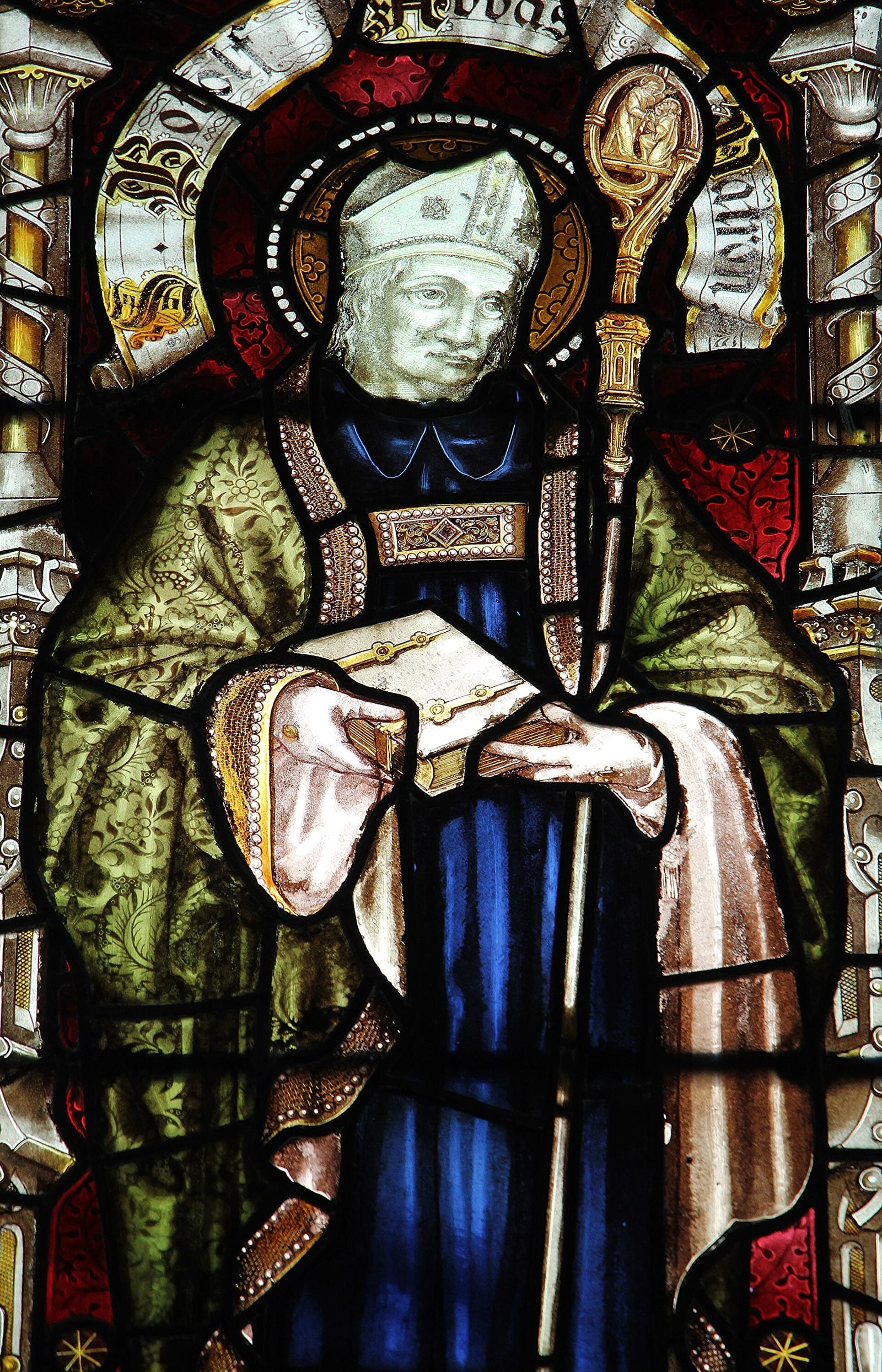
Botolph (Anglo-Saxon Botwulf) was — per the substantial early-medieval Anglo-Saxon hagiographic tradition — a young Anglo-Saxon Catholic Christian who was substantially trained at the Frankish monasteries (probably the Faremoutiers foundation under the substantial Anglo-Saxon-Frankish abbess Burgundofara) and returned to England around 645 AD.
Around 654 AD, Botolph received from King Æthelhere of East Anglia (substantially through the influence of the East Anglian queen Sæthryth, the substantial Faremoutiers connection) a small substantial uninhabited substantial fenland location at Ikanho in the substantial East Anglian Fens — the substantial location of the small Botolph monastic foundation. The substantial site has been substantially identified by recent historical-archaeological scholarship with the small substantial settlement of Iken in Suffolk (the substantial alternative identification with the substantial fenland site near modern Boston in Lincolnshire was the medieval tradition).
Botolph governed the substantial small Ikanho monastic foundation for approximately twenty-six years until his death on June 17, 680. The substantial Anglo-Saxon Catholic monastic foundation produced substantial generations of Anglo-Saxon Catholic saints — including substantial connections with the substantial Whitby-Lindisfarne Anglo-Saxon Catholic tradition.
His substantial relics were translated from Ikanho during the substantial 9th-century Norse-Viking invasions to multiple substantial English Catholic centres — including substantial portions to the substantial Thorney Abbey in Cambridgeshire (which became the continuous medieval Botolph centre) and substantial portions to Bury St Edmunds. The substantial medieval English-Catholic dedication tradition produced over 70 substantial English parish churches named for Botolph, substantially located at the substantial medieval city gates or river-crossing locations of substantial English medieval cities (the continuous Anglo-Saxon Catholic-traveller-patron tradition) — including substantially the Boston in Lincolnshire (whose name 'Botolph's Town' has substantially given the substantial American city of Boston, Massachusetts, its substantial name through the substantial Puritan Boston-Lincolnshire colonial connection of 1630).