
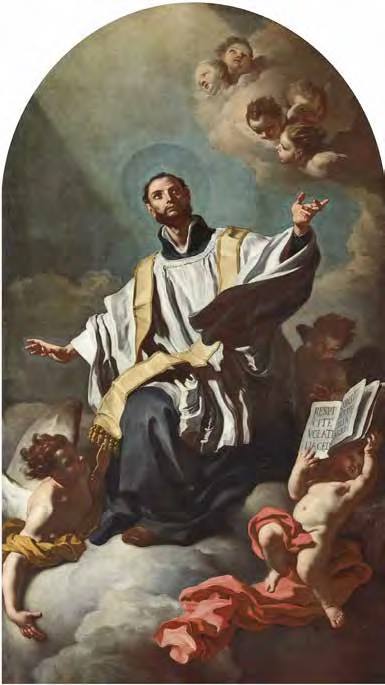
Gaetano dei Conti di Thiene was born to noble parents at Vicenza, educated in law at the University of Padua, and entered the papal court of Julius II at Rome as a senior advisor of the Curia. Ordained priest in 1516, he joined the Roman Oratory of Divine Love — the small confraternity of reform-minded clergy that included Carafa (the future Pope Paul IV) and other figures who would shape the early Catholic Reformation.
In 1524, with Carafa, Bonifacio da Colle, and Paolo Consiglieri, Cajetan founded the first new order of regular clerks of the Catholic Reformation — the Theatines (named after Carafa's see of Theate/Chieti). The Theatines combined common life, strict poverty (they did not even own land — a radical contrast with most medieval orders), and renewal of liturgical and pastoral standards. They were the proto-Jesuits — twenty years ahead of Loyola — and trained many of the bishops who would implement the Council of Trent.
He moved to Naples in 1533, where he served at the Theatine house of San Paolo Maggiore until his death. He was the personal spiritual director of many of the Neapolitan reformers who would later become bishops of the Tridentine Church. He died at Naples on August 7, 1547, during the local plague outbreak that he had been working to relieve. Canonized in 1671. He is the principal patron of those seeking work and (in popular Italian and Argentine Catholic piety) of those struggling with gambling addiction.