
The 25 Mexican Martyrs canonized together by Pope John Paul II at St. Peter's on May 21, 2000 — 22 priests and 3 laymen — represent the long Cristero War of 1926–29. The Calles persecution and the resulting Cristero armed resistance (named for the Cristeros' battlecry 'Viva Cristo Rey!') were the most intense Catholic-state conflict of the 20th-century Americas, with an estimated 90,000 deaths across three years of armed conflict in the Mexican central plateau (particularly in the Jaliscan Highlands).
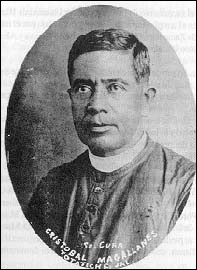
Their representative is Christopher Magallanes Jara (1869–1927), parish priest of the small Jaliscan town of Totatiche, who continued saying Mass clandestinely after the 1926 suspension of public worship, founded a small clandestine seminary at Totatiche for refugee seminarians from the closed Mexican diocesan seminaries, and was arrested on May 21, 1927 with his fellow priest Father Augustín Caloca while travelling to celebrate a clandestine Mass for the Cristero fighters of the surrounding Sierra. They were summarily executed without trial by the Federales at Colotlán on May 25, 1927. Magallanes's final words to his executioner: 'I am innocent, and I die innocent. I forgive you with my whole heart, and I ask God that the shedding of my blood may serve for the peace of our divided Mexico.'
The other 24 canonized include priests killed for the standard Cristero-era 'crimes' of saying Mass, hearing confessions, distributing the Sacraments, hiding clandestine seminary supplies, or refusing to swear loyalty to the Calles state at the cost of denouncing the Church. The three laymen include the celebrated Anacleto González Flores (lay Catholic intellectual leader of the Catholic resistance, executed at Guadalajara April 1, 1927), the young José Sánchez del Río (14-year-old Cristero altar-boy, killed at Sahuayo February 10, 1928), and Manuel Morales (Cristero president of the Catholic League of Saltillo, executed July 15, 1926). Their cause was suppressed in Mexico for decades after the 1929 Cristero settlement (the Mexican-Vatican modus vivendi); canonization was made possible only after the Mexican constitutional reforms of 1992 ended the long anti-Catholic juridical regime.