
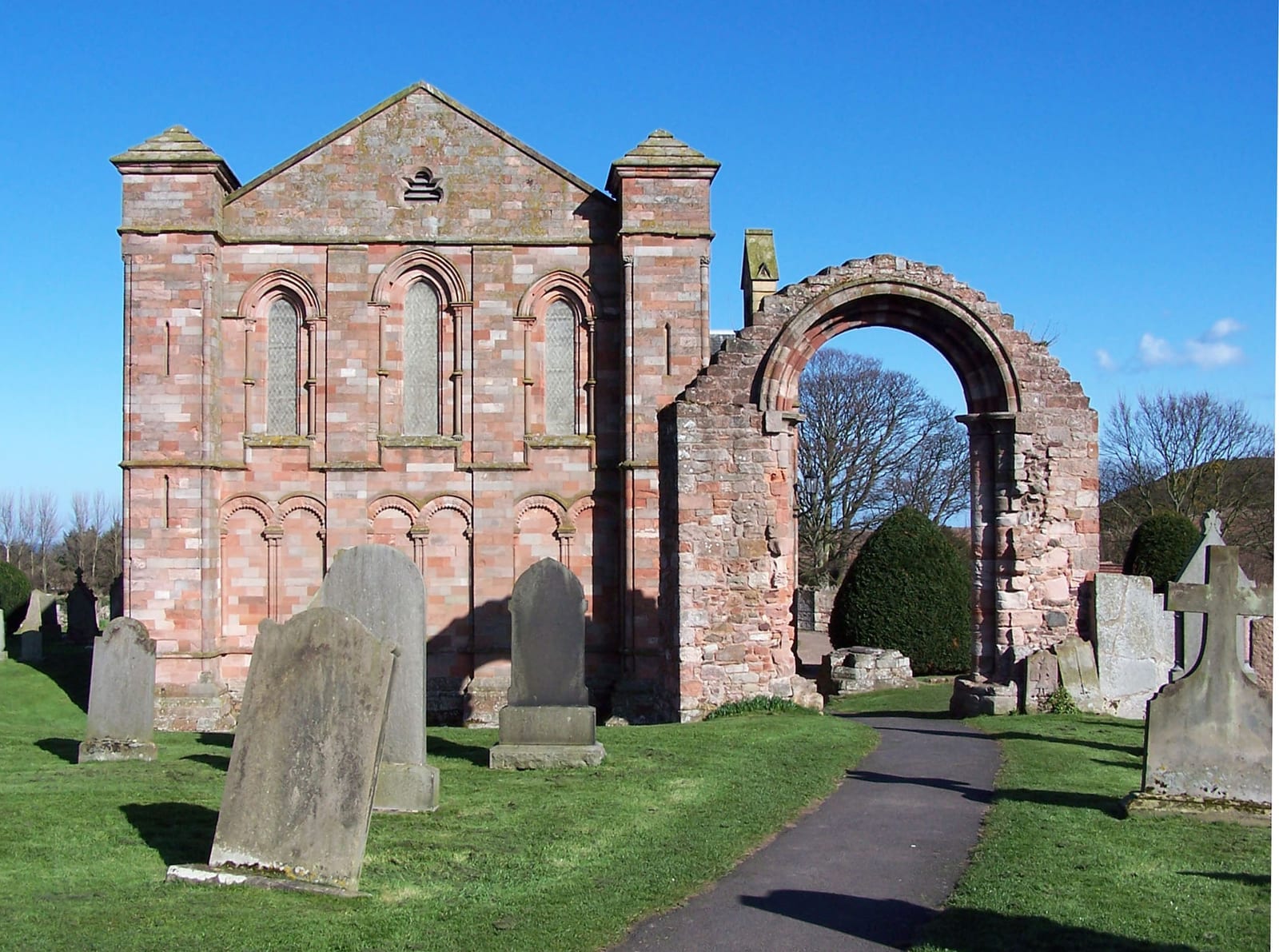
Ebbe (Old English Æbbe; Latin Ebba) was — per the substantial Anglo-Saxon hagiographic tradition — a substantial Northumbrian princess, the substantial younger sister of King Oswald of Northumbria (the continuous substantial Northumbrian-Catholic king-martyr of 642 AD) and King Oswiu of Northumbria (the substantial Northumbrian king who presided substantially over the substantial Synod of Whitby of 664 AD — see Hilda of Whitby's entry already in the catalogue for the substantial Whitby Synod context).
Ebbe was raised substantially in the substantial Northumbrian-Catholic royal family environment and entered substantial religious life around 640 AD. She founded substantially around 643 AD the substantial double-monastery of Coldingham (substantial men's and women's communities living substantially in the same substantial small Northumbrian-Berwickshire coastal location, governed substantially together by Ebbe as substantial abbess) at the substantial small Northumbrian-Berwickshire coastal promontory of St Abb's Head (modern Berwickshire in the Scottish Borders, the substantial location named for her).
She governed substantially the substantial Coldingham double-monastery for some forty years through the substantial period of the substantial Northumbrian-Catholic golden age (the substantial Hilda-of-Whitby, Cuthbert-of-Lindisfarne, Bede-of-Jarrow substantial Northumbrian-Catholic tradition). Coldingham became one of the substantial early Anglo-Saxon Catholic women's substantial monastic centres.
She died at Coldingham on August 25, 683 AD. The substantial Coldingham double-monastery continued substantially after her death but was substantially destroyed in a substantial accidental fire substantially shortly after (around 686, per Bede's substantial account in the Ecclesiastical History) — substantially attributed by Bede substantially to substantial moral laxity that had substantially developed in the substantial Coldingham community after Ebbe's substantial death. The substantial substantial location was substantially refounded later in the medieval period as the substantial substantial Coldingham Priory (a substantial Benedictine substantial foundation of around 1100 AD).