
MIRACULOUS MIRACLES™

Saint — Edburga of Winchester

St. Edburga of Winchester
c. 920 AD, Wessex (royal palace of King Edward the Elder) — June 15, 960 AD, Nunnaminster (St. Mary's Abbey), Winchester
Anglo-Saxon royal nun; granddaughter of Alfred the Great
Nunnaminster (St. Mary's Abbey), Winchester — her lifelong monastic home; the abbey destroyed in the 1539 Reformation; the Pilgrim's School in Winchester preserves the site, United Kingdom
Feast
June 15
Canonized
Pre-congregation
Life

Edburga (Old English Eadburh, 'rich fortress') was born around 920 to King Edward the Elder of Wessex and his third wife Queen Eadgifu — making her the granddaughter of Alfred the Great and the half-sister of King Æthelstan (924–939), the first king of all the English.

According to the hagiographical tradition, when she was three years old, the royal household conducted a symbolic test: royal jewels and a chalice with the Gospels were laid before the young princess, who chose the chalice and Gospels over the jewels — interpreted as the divine indication of her future monastic vocation.

She was given as a child oblate to the Nunnaminster (St. Mary's Abbey) in Winchester — the royal Wessex women's-abbey founded by her grandmother Queen Ealhswith (the wife of Alfred the Great). She spent her entire life from age three to her death at age forty as a simple Benedictine nun at the Nunnaminster, serving as royal embroideress, sacristan, and care-giver of the poor.

She died on June 15, 960. The reputation for sanctity was so immediate that her relics were translated in 972 by Bishop St. Æthelwold of Winchester (during the Benedictine reform period) to a new shrine — and again translated to Pershore Abbey in Worcestershire in the late 10th century (during the Benedictine monastic-reform expansion). The Pershore shrine of St. Edburga became the principal pilgrim destination of Worcestershire throughout the medieval centuries.

Miracles & Phenomena
  • The childhood selection of the Gospels

    The hagiographical tradition of the three-year-old Edburga choosing the chalice and Gospels over the royal jewels at the royal-household test is the classic Anglo-Saxon Catholic royal-children's-monastic-vocation hagiographical episode. The tradition inspired the Anglo-Saxon royal-monastic women's-vocation tradition that produced Sts. Edith of Wilton, Wulfthryth of Wilton, and the royal-Wessex Catholic women's monastic culture.

  • The Pershore Abbey translation and shrine

    Edburga's late-10th-century translation to Pershore Abbey in Worcestershire established the principal Worcestershire pilgrim destination of the medieval centuries. The Pershore Abbey was destroyed in the 1539 dissolution, but the eastern portion of the abbey church (the choir and chancel) survives as the impressive Pershore Abbey parish church (Anglican), preserving the St. Edburga dedication and pilgrim tradition.

Relics
  • Body
    Shrines of St. Edburga
    Originally Nunnaminster, Winchester (translated 972); secondarily Pershore Abbey, Worcestershire (translated late 10th c., destroyed 1539); fragmentary relics survive at the Catholic Cathedral of Birmingham

    Her principal medieval shrines at Nunnaminster and Pershore Abbey were destroyed in the 16th-century Reformation; fragmentary relics survive at the Catholic Cathedral of St. Chad in Birmingham and at the Catholic Diocese of Northampton's pilgrim destinations.

Iconography
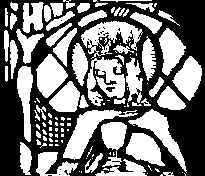
  • Edburga choosing the chalice and Gospels at age three

    The three-year-old Wessex royal princess in royal child's dress at the royal household reaching out to choose the chalice and Gospels in preference to the scattered royal jewels, her royal mother and Wessex court behind her — the iconography of Catholic Anglo-Saxon royal-monastic-vocation tradition.

Patronages
Nunnaminster (Winchester) and the Wessex regionCatholic Anglo-Saxon royal-monastic women's tradition (with Sts. Edith of Wilton and Wulfthryth of Wilton)Catholic young royal nuns (entered convent at age three)