
MIRACULOUS MIRACLES™

Saint — Edward the Confessor

St. Edward the Confessor
c. 1003, Islip, Oxfordshire — January 5, 1066, Westminster
King of England — Last Anglo-Saxon Royal Saint
Westminster Abbey, London, United Kingdom
Feast
October 13 (translation of relics, 1163)
Canonized
February 7, 1161 by Pope Alexander III
Life

Son of King Æthelred the Unready and Emma of Normandy, Edward spent his youth in exile at the Norman court during the Danish conquest of England. He returned in 1041 and was crowned king the following year. His twenty-four-year reign was marked by peace, judicial reform, and the rebuilding of the great Romanesque abbey church at Westminster — finished a week before his death and consecrated days before the Norman Conquest.

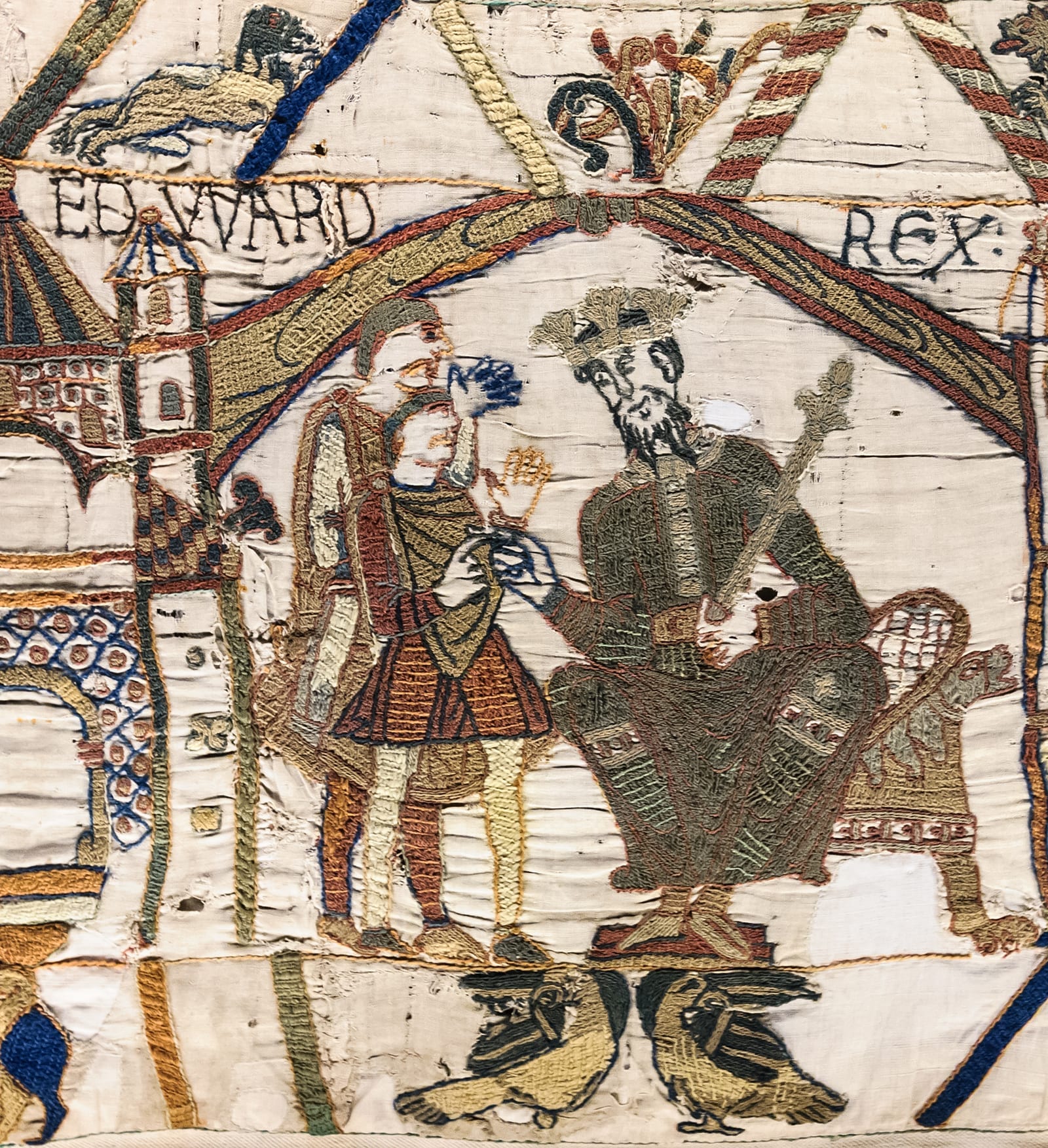
He married Edith of Wessex, daughter of Earl Godwin, but the marriage produced no heir — a fact medieval hagiography again interpreted as a vow of chastity. His childlessness opened the succession crisis of 1066 that drew William the Conqueror to England; the Bayeux Tapestry opens with his death and burial at Westminster.

His tomb at Westminster Abbey, never disturbed by the English Reformation, is one of only a handful of medieval English saints' shrines that survived intact. He has been the patron saint of the English monarchy since the 12th century, and the Stone of Scone, the Coronation Chair, and the entire ritual of English coronation revolve around his shrine.

Miracles & Phenomena
  • The ring and the pilgrim

    Edward gave his ring to a beggar at his palace gate; years later two English pilgrims in the Holy Land met St. John the Evangelist disguised as an old man, who returned the ring to them with a message that Edward would join him in heaven within six months. The episode appears on the Wilton Diptych.

  • Royal touch

    Edward is the first English king said to have cured scrofula by the laying-on of hands — the origin of the 'King's Evil' tradition continued by every English sovereign until Queen Anne.

Relics
  • Body
    Shrine of Edward the Confessor
    Westminster Abbey, behind the High Altar

    His body was translated to the present shrine on October 13, 1163. The shrine has been continuously venerated for eight and a half centuries — one of only two medieval royal shrines in Britain to survive the Reformation.

Iconography
  • Edward and the ring

    The king crowned and robed, holding out a ring to a beggar (St. John in disguise) — the central scene of his iconography, depicted on the Wilton Diptych in the National Gallery.

Patronages
England (joint patron with St. George)Difficult marriagesWestminster AbbeyThe British royal family