
MIRACULOUS MIRACLES™

Saint — Ephrem the Syrian

St. Ephrem the Syrian
c. AD 306, Nisibis — June 9, AD 373, Edessa
Harp of the Holy Spirit — Doctor of the Church
Edessa (Şanlıurfa, Turkey), Turkey
Feast
June 9
Canonized
Declared Doctor of the Church 1920 (by Benedict XV) — the only Syriac-language Doctor
Doctor of the Church
Yes
Life

Ephrem was born at Nisibis on the eastern frontier of the Roman Empire, possibly to a pagan family, and was baptised in his youth. He served the bishops of Nisibis as a deacon and as head of the school of biblical exegesis there until the Persian conquest of the city in 363 forced him to flee west to Edessa.

At Edessa he founded the renowned 'School of the Persians' and lived as an ascetic, refusing priesthood and never accepting episcopal office. He composed hundreds of biblical commentaries, prose works, and especially metrical hymns in Syriac. His verse — taught to choirs of consecrated women whom he organised at Edessa — was used as the principal weapon against the elaborate heresies of his time (chiefly those of Bardaisan).

He died of plague while caring for victims in Edessa in 373. Some four hundred of his Syriac hymns survive, almost all his commentaries, and the great prayer that bears his name (the Prayer of St. Ephrem, said daily in Eastern monasticism throughout Lent). Pope Benedict XV declared him a Doctor of the Church in 1920 — the only Syriac-language Father so honoured.

Miracles & Phenomena
  • The Madrashe (Teaching Hymns)

    He composed metrical hymns in Syriac on every major theological theme — Nativity, Faith, Heresies, the Crucifixion, Mary — and trained women's choirs to sing them in the cathedral of Edessa. The hymns were both catechesis and refutation of heresy, accessible to peasants and weavers as much as to scholars.

  • Care for the Plague-Stricken of Edessa

    In the great plague that struck Edessa in his final year, he organised relief among the dying, contracted the disease, and died — refusing all care for himself until the others had been served.

Relics
  • Body
    Tomb of St. Ephrem
    Originally Edessa; relics dispersed across Syriac monasteries
Iconography
  • Ephrem as the Syrian Monk

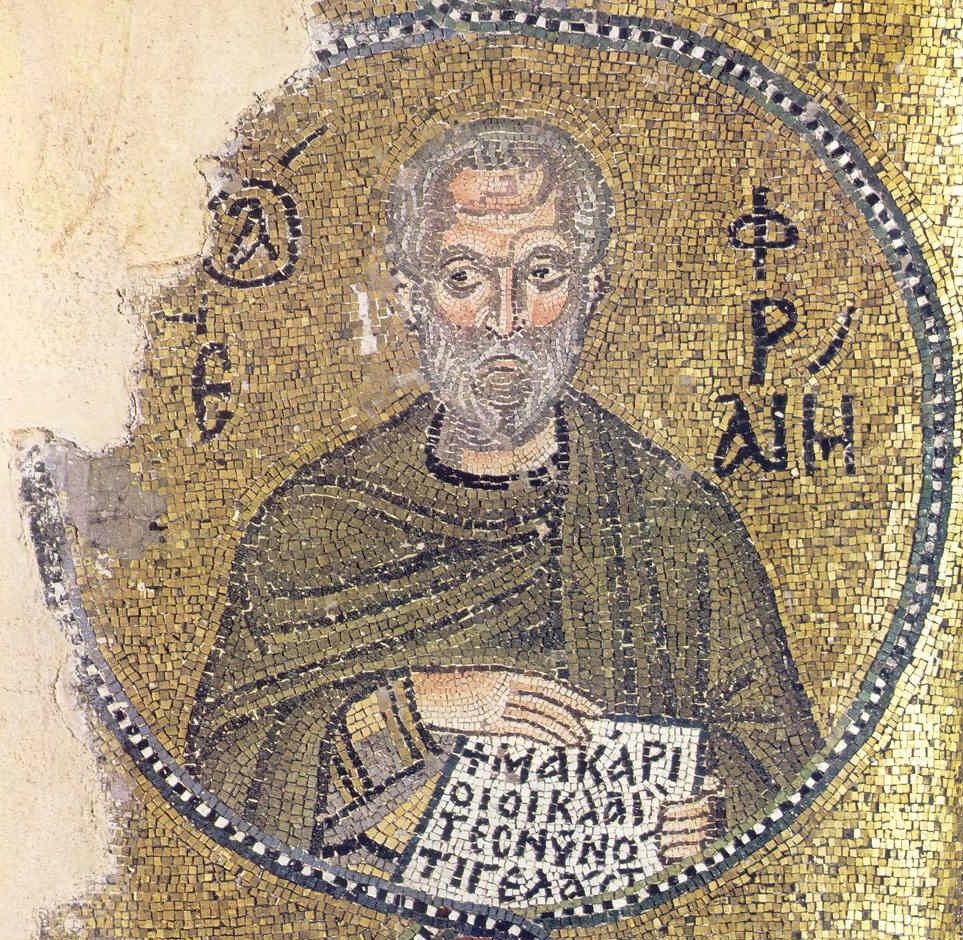
    Always depicted as a tall, thin, bearded deacon in the dark robe of a Syriac monk, often holding a harp (for his hymns) or a scroll.

Prayers Composed by This Saint
Patronages
Syriac ChristiansSpiritual directorsSacred poets and hymn-writers
Sources & Further Reading