
MIRACULOUS MIRACLES™

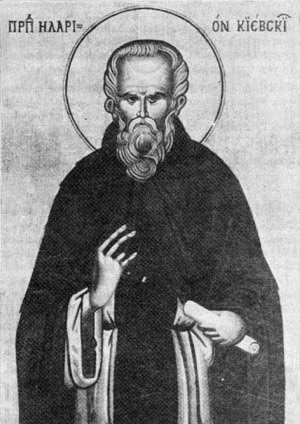
Saint — Hilarion of Kiev

St. Hilarion of Kiev
c. 1000 AD, Kievan Rus' (Slavic-Kievan Christian family) — c. 1055 AD, Kiev (or retired Kiev-Pechersk monastery, Ukraine)
Metropolitan of Kiev (1051–1055); first native-Slavic Metropolitan of the Russian Catholic-Orthodox tradition
Kiev-Pechersk Lavra (Monastery of the Caves), Kiev, Ukraine — his hermitage-cave is believed to be one of the original cave-hermitages from which the Kiev-Pechersk Lavra was established by Sts. Anthony and Theodosius; UNESCO World Heritage Site (inscribed 1990), Ukraine
Feast
October 21
Canonized
Pre-congregation; venerated in the eastern-Catholic Ukrainian Greek Catholic, Belarusian Greek Catholic, and Russian Greek Catholic Churches and the Russian, Ukrainian, and Belarusian Orthodox Churches
Life

Hilarion (Russian-Ukrainian Илларион / Іларіон) was born around 1000 in Kievan Rus' — the first post-Vladimirian generation of Slavic Catholic-Christians who had grown up entirely under the baptized Kievan-Catholic-Orthodox order established by St. Vladimir the Great in 988.

He was one of the principal scholars at the court of Grand Prince Yaroslav the Wise (1019–1054) — the golden age of Kievan-Russian Catholic-Orthodox intellectual culture. He served as priest of the royal Berestov church on the outskirts of Kiev, where (per the Russian Primary Chronicle) he had excavated a small cave-hermitage on the Dnieper bluffs for his personal ascetic retreats — the cave that would subsequently become the original cell-hermitage of the Kiev-Pechersk Lavra under Sts. Anthony and Theodosius.

In 1051, in the unprecedented step of ecclesiastical autonomy from the Constantinopolitan Patriarchate, Grand Prince Yaroslav summoned a synod of the Russian episcopate at Kiev which elected Hilarion as Metropolitan of Kiev — making him the first native-Slavic Metropolitan of Kiev (all the previous Metropolitans had been Greek-Byzantine appointees of the Constantinopolitan Patriarchate).

His principal surviving theological work — the 'Слово о Законе и Благодати' (Slovo o Zakone i Blagodati, 'Sermon on Law and Grace') — composed around 1050, probably for the consecration of the Cathedral of St. Sophia at Kiev — is the text of Russian-Slavic Catholic-Orthodox theological literature, the first original Slavic-language theological work after the Cyrillo-Methodian translations, and the principal Russian-language testimony to the Catholic-Christian conversion of the Kievan-Rus' people.

Hilarion's metropolitanate was brief (1051–c. 1055) — after Yaroslav's death in February 1054 (and the coincidental East-West Schism of July 1054), the Constantinopolitan Patriarchate refused to confirm the native-Slavic election and appointed a new Greek Metropolitan; Hilarion either resigned voluntarily or was deposed, retiring (per tradition) to the nascent Kiev-Pechersk Lavra where his original cave-hermitage was being expanded by Sts. Anthony and Theodosius into the principal Russian-Slavic monastic centre. He died at the Kiev-Pechersk Lavra around 1055.

Miracles & Phenomena
  • The Sermon on Law and Grace

    Hilarion's 'Slovo o Zakone i Blagodati' (Sermon on Law and Grace), composed around 1050 — the first original Slavic-language theological work after the Cyrillo-Methodian Old Church Slavonic translations — is the text of Russian-Slavic Catholic-Orthodox theological literature. The text develops the Pauline-Augustinian theme of the supersession of the Mosaic Law by the Christ-Gospel of Grace, applies it to the Kievan-Russian-Slavic conversion experience (comparing the Old Testament Israelites with the pre-Christian pagan Slavs, and the New Testament Gentiles with the baptized Catholic-Christian Kievan-Rus'), and celebrates St. Vladimir the Great as the baptizing patriarch of the Russian-Slavic Christian people. The text inaugurated the distinctive Russian-Slavic theological tradition that would extend through the medieval Russian monastic-theological centuries to the present day.

  • The first native-Slavic Metropolitan of Kiev (1051)

    Hilarion's 1051 election as Metropolitan of Kiev — the first native-Slavic Metropolitan in the history of the Russian Catholic-Orthodox tradition — institutionally inaugurated the principle of ecclesiastical-cultural autonomy of the Russian-Slavic Church from the Constantinopolitan Patriarchal direct appointment-jurisdiction. Although the Hilarion-election was not confirmed by Constantinople, the precedent established the eventual establishment of the autocephalous Russian-Slavic Catholic-Orthodox national-churches (Patriarchate of Moscow established 1589, Catholic Ukrainian-Belarusian Brest Union 1596).

Relics
  • Body
    Tomb of St. Hilarion of Kiev
    Kiev-Pechersk Lavra (Monastery of the Caves), Kiev, Ukraine — tradition associates his tomb with the Far Caves of the Lavra, where his relics are venerated alongside the early Pechersk fathers; UNESCO World Heritage Site (inscribed 1990)

    His tomb at the Kiev-Pechersk Lavra (the principal Russian-Ukrainian-Slavic Catholic-Orthodox monastic centre, UNESCO World Heritage Site since 1990) is the principal pilgrim destination of his cult. The Lavra survives in active eastern-Catholic Ukrainian Greek Catholic and Orthodox liturgical use to the present day.

Iconography
  • Hilarion preaching the Sermon on Law and Grace

    The early-11th-century Metropolitan of Kiev in metropolitan vestments at the Cathedral of St. Sophia at Kiev preaching the Sermon on Law and Grace before Grand Prince Yaroslav the Wise and the Kievan-Rus' royal court, the text of the sermon visible on the pulpit-lectern, the principal monument of native Russian-Slavic Catholic-Orthodox theological tradition being proclaimed — the iconography of Russian-Slavic Catholic-Orthodox theological-foundation tradition.

Patronages
Catholic eastern-Slavic theological-philological traditionCatholic Kievan-Rus' Christian-cultural foundationThe Ukrainian Greek Catholic and Russian Greek Catholic episcopal-tradition