
MIRACULOUS MIRACLES™

Saint — Hugh of Grenoble

St. Hugh of Grenoble
1052 AD, Châteauneuf-sur-Isère, Dauphiné (noble Dauphinois family) — April 1, 1132 AD, Grenoble, Dauphiné
Bishop of Grenoble 1080–1132; benefactor of the Carthusian Order; Gregorian-Reform French episcopal exemplar
Cathedral of Notre-Dame, Grenoble, France — his episcopal cathedral; Grande Chartreuse (Voiron, Isère, France) — the Carthusian mother-house that he established with Bruno, France
Feast
April 1
Canonized
Canonized April 22, 1134 by Pope Innocent II (just two years after his death — the extraordinarily rapid Gregorian-period canonization)
Life

Hugh was born in 1052 at Châteauneuf-sur-Isère in Dauphiné, son of Odilon — a former soldier-knight who would himself enter religious life as a Carthusian monk in his old age. Educated at the cathedral school of Valence, Hugh became a canon of the Valence cathedral chapter.

In 1080, at the age of 28 — under the Gregorian-Reform programme of Pope St. Gregory VII — Hugh was appointed Bishop of Grenoble by the papal legate Bishop Hugh of Die, taking up the governance of the decayed Catholic see of Grenoble at the hour of the Gregorian-Reform crisis. The Diocese of Grenoble at his accession was in a state of extreme decay — the cathedral chapter largely abandoned, the episcopal revenues usurped by lay aristocrats, the clergy widely simoniacal and concubinous.

Hugh's fifty-two-year episcopate (1080–1132) — among the longest in medieval Catholic history — was devoted to the restoration of the Diocese of Grenoble. He recovered the alienated episcopal lands, reformed the cathedral chapter, established the diocesan synods and visitations, rebuilt the cathedral, and undertook the systematic Gregorian-Reform programme.

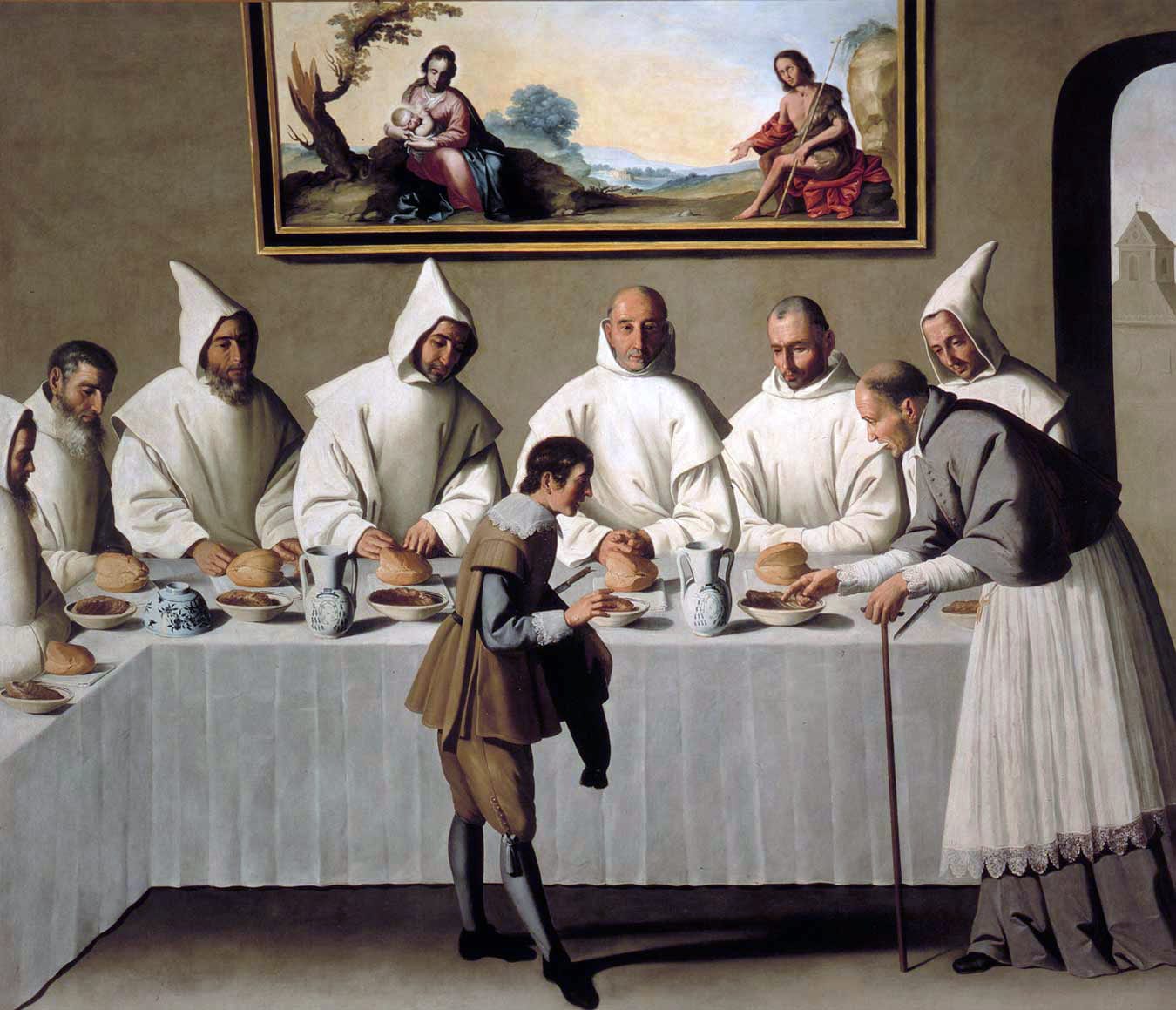
He is most renowned in Catholic history for his role as the episcopal benefactor of St. Bruno's Carthusian foundation: in 1084, Bruno (the former master of the Reims cathedral school who had undertaken the hermit-life) and his six companions arrived at Grenoble seeking hermit-cell-sites in the Dauphiné mountains.

Hugh — guided by the famous vision in which he had seen seven stars descending upon the mountainous region of the Chartreuse massif (the seven stars interpreted as the seven hermit-founders) — personally led Bruno and his companions to the rocky highlands of the Chartreuse massif north of Grenoble and granted them the site for the foundation of the Grande Chartreuse in 1084. The Carthusian Order — one of the principal contemplative orders of the Catholic Church to the present day — was institutionally enabled by Hugh's episcopal patronage.

Hugh maintained close personal relations with the Grande Chartreuse community for the five decades, undertaking frequent personal retreats at the hermitage. He died at Grenoble on April 1, 1132, and was canonized by Pope Innocent II just two years later on April 22, 1134 — one of the most rapidly canonized of the High Medieval Catholic saints.

Miracles & Phenomena
  • The vision of the Seven Stars and the founding of the Grande Chartreuse (1084)

    Hugh of Grenoble's vision of the seven stars descending upon the rocky highlands of the Chartreuse massif north of Grenoble — and his identification of the vision with the arrival of St. Bruno and his six hermit-companions at Grenoble in 1084 — produced the institutional founding of the Grande Chartreuse and the Carthusian Order. The Carthusian Order, one of the principal contemplative orders of the Catholic Church to the present day, still operates from the original Grande Chartreuse site (rebuilt in successive medieval and modern centuries, surviving the French Revolutionary dissolution and the 1903 expulsion of the Carthusians from France, the community returning to the Grande Chartreuse in 1940).

  • The fifty-two-year episcopate of Catholic restoration

    Hugh of Grenoble's fifty-two-year episcopate (1080–1132) — among the longest in medieval Catholic history — produced the complete Gregorian-Reform restoration of the decayed Diocese of Grenoble. The Hugh-episcopate is the classic exemplar of the Gregorian-Reform-period French episcopal-restoration pattern that would extend through the High Medieval French Catholic episcopal-tradition.

Relics
  • Body
    Tomb of St. Hugh of Grenoble
    Cathedral of Notre-Dame, Grenoble, France — the medieval shrine partially destroyed in the Wars of Religion (1562) and the French Revolution; the cathedral survives in continuous Catholic liturgical use

    His tomb at the Cathedral of Grenoble was largely destroyed in the Wars of Religion and the French Revolutionary dissolution; the cathedral survives in continuous Catholic liturgical use. The Grande Chartreuse — Hugh's institutional legacy — survives in continuous Catholic Carthusian liturgical use.

Iconography
  • Hugh of Grenoble's vision of the Seven Stars

    The late-11th-century Bishop of Grenoble in episcopal vestments at the mountain-summit of the Chartreuse massif beholding the vision of the seven stars descending upon the rocky highlands, the founding of the Grande Chartreuse taking place in the distance below — the iconography of Catholic Carthusian-Order foundation tradition.

Patronages
Diocese of Grenoble-VienneThe Dauphiné region (Grenoble, Vienne, Voiron)Catholic episcopal benefactors of religious ordersCatholic Carthusian Order (the principal episcopal benefactor of St. Bruno's Carthusian foundation)