
MIRACULOUS MIRACLES™

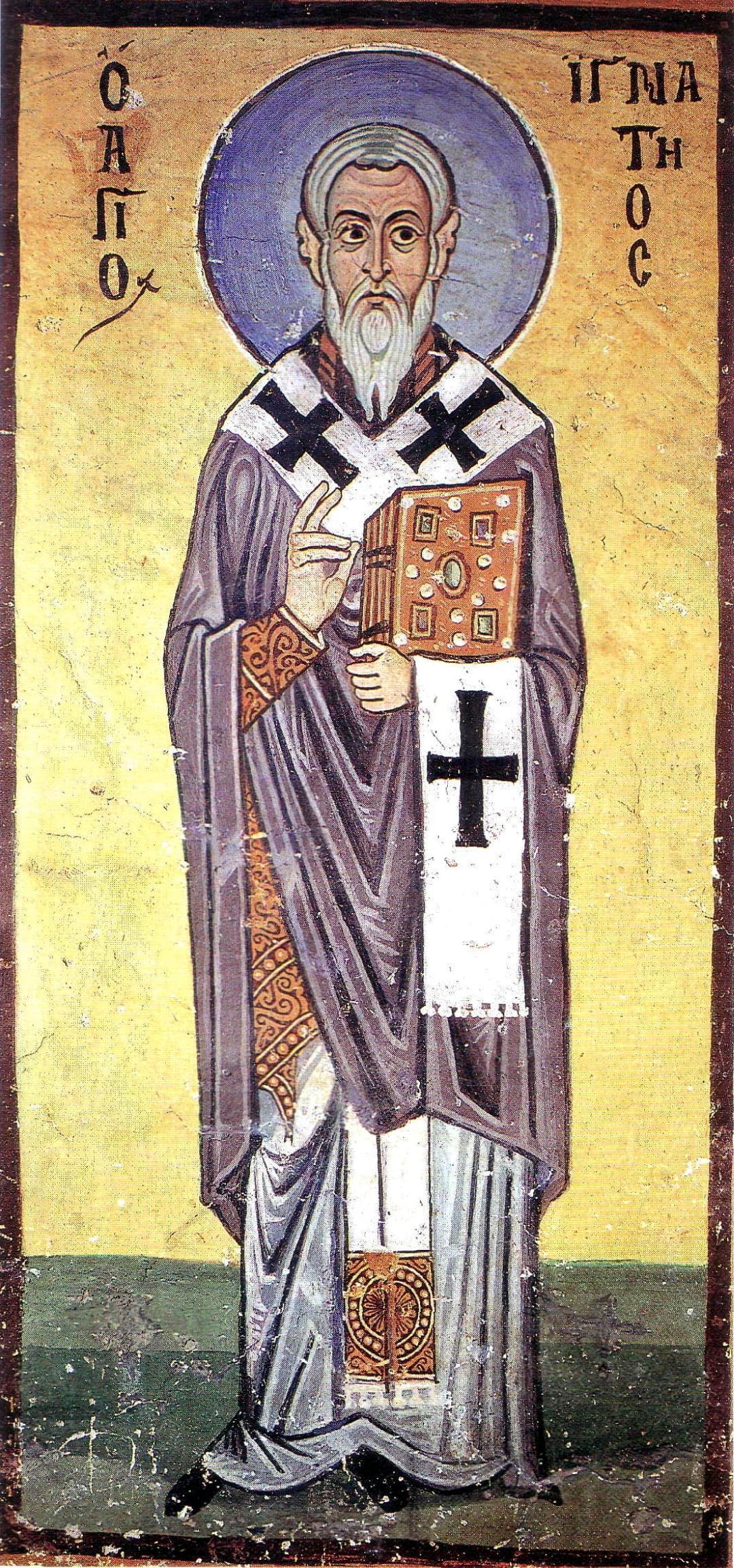
Saint — Ignatius of Antioch

St. Ignatius of Antioch
c. AD 35 — c. AD 107, Rome
Theophorus, 'God-bearer' — Apostolic Father
Basilica of San Clemente, Rome, Italy
Feast
October 17
✠ MartyrKilled by lions in the Colosseum at Rome under Trajan, c. 107 → The Martyrs
Life

Ignatius — surnamed Theophorus, 'God-bearer' — was bishop of Antioch in Syria, the city where 'the disciples were first called Christians' (Acts 11:26). He may have been a disciple of John the Apostle. He served as bishop for forty years.

Arrested under the emperor Trajan, he was sent in chains under guard to Rome to die in the arena. Along the road, he wrote seven letters that survive — to the churches at Ephesus, Magnesia, Tralles, Rome, Philadelphia, Smyrna, and to Polycarp of Smyrna himself. The letters are the earliest theology of the bishop, the Eucharist, and the unity of the Church we possess outside the New Testament.

He pleaded with the Roman Christians not to use their influence to spare him: 'I am God's wheat, and let me be ground by the teeth of the wild beasts, that I may be found pure bread of Christ.' He was, by tradition, killed by lions in the Colosseum around the year 107.

Miracles & Phenomena
  • The Seven Letters

    c. AD 107

    The letters themselves — composed under guard on the road to martyrdom — are extraordinary. They contain the first known use of the phrase 'Catholic Church,' the clearest early articulation of the threefold ministry of bishop, presbyter, and deacon, and the most explicit early teaching on the Real Presence in the Eucharist.

  • The Name of Christ Found in His Heart

    An ancient tradition holds that when Ignatius's body was opened after his death, the name of Jesus was found written in gold letters on his heart — the visible mark of the 'God-bearer.' The tradition is devotional rather than historical.

Relics
  • Body
    Relics of St. Ignatius
    Basilica of San Clemente, Rome

    Following his martyrdom in the Colosseum, his remains were gathered by Christians and eventually translated to San Clemente, where they rest alongside Clement of Rome.

Iconography
  • St. Ignatius and the Lions

    His defining iconography — the bishop in episcopal robes facing or being mauled by lions in the arena, holding his letter to the Romans or a heart inscribed with the name of Christ.

Patronages
The Eastern ChurchThroat ailmentsAntioch (modern Antakya)
Sources & Further Reading