
MIRACULOUS MIRACLES™

Saint — Iñigo of Oña

St. Iñigo of Oña
c. 1000 AD, Calatayud, Aragon (Spanish noble family) — June 1, 1057 AD, Oña Abbey, Castile
Spanish Benedictine abbot; Castilian-Cluniac reformer; namesake of St. Ignatius Loyola
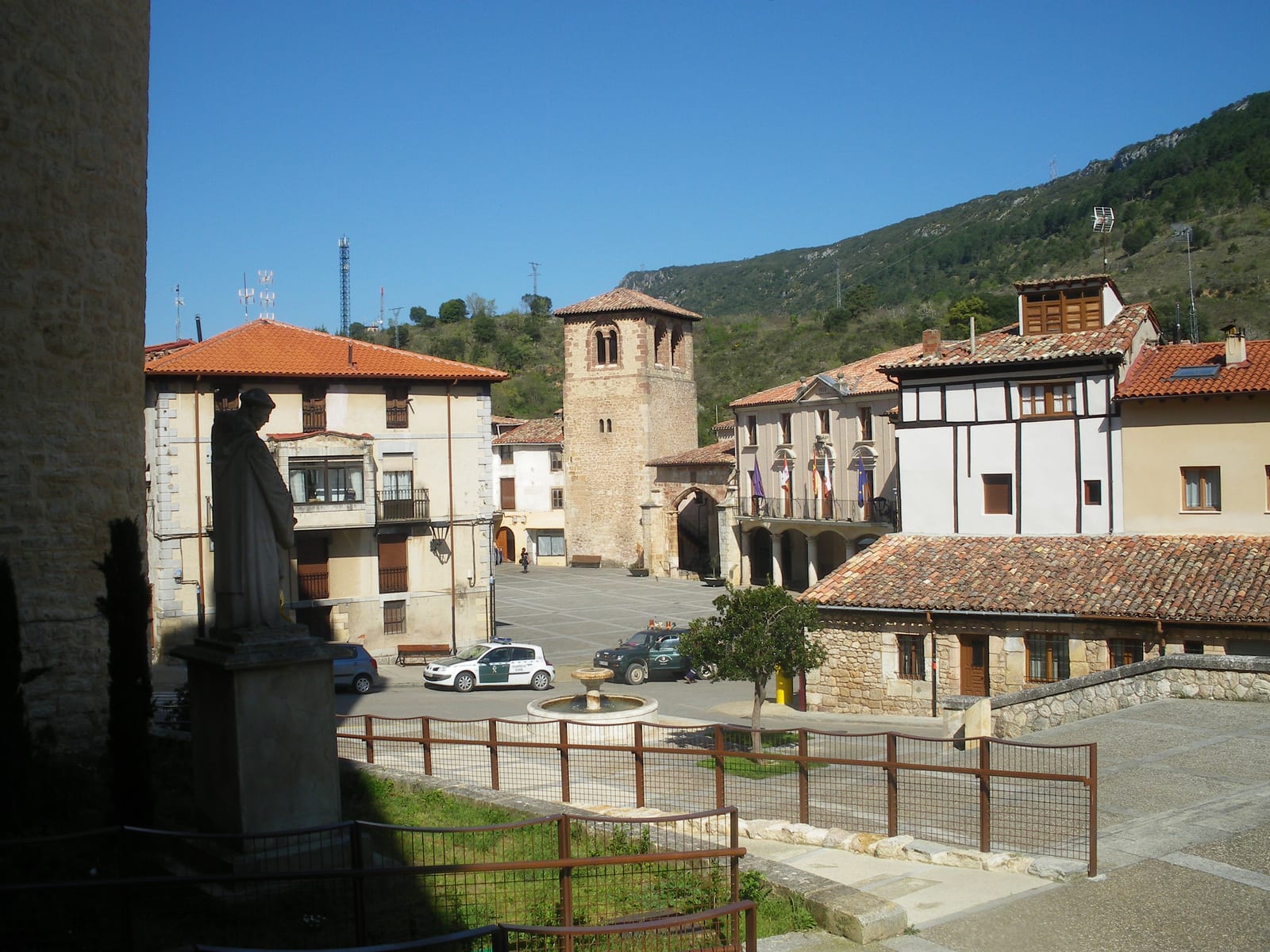
Abbey of San Salvador de Oña (Monasterio de San Salvador de Oña), Oña, Burgos, Spain — his governance; in continuous Catholic use to the present day, Spain
Feast
June 1
Canonized
Pre-congregation; venerated as the principal Catholic patron of Oña and the namesake of St. Ignatius Loyola
Life

Iñigo (Spanish-Basque variant of Ennecus / Latin Innicus) was born around 1000 in Calatayud, Aragon — the principal medieval Aragonese town on the Jalón river — to a Spanish noble family of the reconquest-era Catholic Aragonese-Castilian tradition.

Entering the Benedictine monastery of San Juan de la Peña in the Pyrenees (the principal medieval Aragonese royal monastic centre, the pantheon of the Aragonese kings and the original resting place of the Holy Grail per the Aragonese tradition), Iñigo became a monk and was chosen for hermit life on the mountains around the monastery.

Around 1029, King Sancho III the Great of Navarre and Aragon — undertaking the Cluniac reform of the Castilian monasteries — appointed Iñigo as abbot of the Abbey of San Salvador de Oña in Castile, the principal medieval Castilian monastic centre and the royal pantheon of the Castilian rulers.

For 28 years (1029–1057) Iñigo governed Oña — introducing the strict Cluniac monastic discipline in place of the previous mixed canonical-monastic observance, producing the characteristic Castilian-Cluniac monastic culture of the 11th century. The Oña reform extended through the Cluniac affiliated houses across the Castilian and Leonese kingdoms, producing the Spanish-Cluniac monastic-reform tradition that would produce St. Dominic of Silos and the Spanish-Catholic-reconquest religious-cultural transformation.

He died at Oña on June 1, 1057. The distinctive Spanish-Basque royal Christian name 'Iñigo' — derived from devotion to this 11th-century Catholic saint — produced the royal Christian name borne by countless medieval and early-modern Iberian rulers, most including the baptismal name of St. Ignatius Loyola (Íñigo López de Loyola, 1491–1556, the founder of the Society of Jesus) — making Iñigo of Oña the direct namesake-saint of the St. Ignatius and the entire Jesuit Catholic tradition.

Miracles & Phenomena
  • The Castilian-Cluniac monastic reform

    Iñigo of Oña's 28-year governance of the Abbey of Oña (1029–1057) as the principal instrument of the Castilian-Cluniac monastic reform under King Sancho III the Great of Navarre — extending the Cluniac discipline across the Castilian and Leonese kingdoms — produced the characteristic Spanish-Cluniac monastic culture of the 11th century. The Spanish-Cluniac reform underpinned the Spanish-Catholic religious-cultural transformation that would produce the Codex Calixtinus, the Way of St. James pilgrim tradition, and the Spanish Catholic reconquest religious-political culture.

  • The namesake of St. Ignatius Loyola

    The distinctive Spanish-Basque royal Christian name 'Iñigo' — derived from devotion to St. Iñigo of Oña — produced the baptismal Christian name of St. Ignatius Loyola (baptized as Íñigo López de Loyola in 1491 at the Loyola family chapel in Basque Guipúzcoa; he Latinized his Christian name to 'Ignatius' only later in his life, after his conversion and Catholic studies). The Loyola family devotion to St. Iñigo of Oña — a Basque-Aragonese-Castilian devotion of the late-medieval Iberian Catholic nobility — is the direct genealogical-devotional source of the St. Ignatius Loyola and the entire Jesuit Catholic tradition that he produced.

Relics
  • Body
    Tomb of St. Iñigo of Oña
    Abbey of San Salvador de Oña, Oña, Burgos, Spain — in continuous Catholic liturgical use to the present day

    His tomb at the Abbey of San Salvador de Oña — the principal medieval Castilian monastic centre and royal pantheon, now a Spanish national-cultural monument — survives in the principal abbey-church. Fragmentary relics survive at his birthplace Calatayud (Aragon) and at Basque shrines associated with the Loyola family devotion.

Iconography
  • Iñigo of Oña governing the Cluniac reform of Castile

    The mid-11th-century Spanish abbot in Benedictine-Cluniac habit at the Abbey of Oña directing the young Spanish-Cluniac monks in the characteristic Castilian-Cluniac liturgical discipline, the Cluniac Constitutiones visible on the scriptorium-desk — the iconography of Catholic Spanish-Cluniac monastic-reform tradition.

Patronages
Oña (Burgos) and the Castilian Catholic traditionCatholic Calatayud (Aragon) and the principal Aragonese Catholic venerationCatholic Benedictine reformers of the Cluniac-Spanish traditionCatholic namesake of St. Ignatius Loyola (the Basque royal Christian-name 'Iñigo' that St. Ignatius bore was derived from devotion to this 11th-century Catholic saint)