
MIRACULOUS MIRACLES™

Saint — James the Less

St. James the Less
early 1st century — 1st century, traditionally Jerusalem
Son of Alphaeus — Apostle
Basilica of the Holy Apostles, Rome, Italy
Feast
May 3 (with St. Philip)
✠ MartyrThrown from the Temple parapet, stoned, and killed with a fuller's club in Jerusalem, c. AD 62 → The Martyrs
Life

James, son of Alphaeus, is named in all four lists of the Twelve in the New Testament but is given no personal narrative there. He is called 'the Less' (Latin minor — 'younger,' or 'shorter') to distinguish him from James the son of Zebedee, James the Greater.

Tradition has often identified him with two other New Testament figures: 'James, the brother of the Lord' (Galatians 1:19) — the first bishop of Jerusalem and author of the Letter of James — and 'James the Just' described by Hegesippus and Josephus. Modern scholarship debates whether these are one figure or two or three; the Roman Catholic tradition has historically merged them.

The martyrdom traditions, transmitted by Hegesippus through Eusebius, describe James the Just being thrown from the parapet of the Temple, stoned, and finally killed with a fuller's club around AD 62. Modern scholars caution that these traditions are uncertain and may conflate distinct figures.

Miracles & Phenomena
  • James the Just at the Jerusalem Council

    Acts 15 describes James presiding at the Council of Jerusalem (c. AD 49–50) and pronouncing the decisive verdict that Gentile converts need not be circumcised — a foundational moment for the universal mission of the Church.

Relics
  • Body
    Relics of Sts. Philip and James the Less
    Basilica of the Holy Apostles (Santi Apostoli), Rome

    Translated to Rome in the 6th century. The shared joint feast of Philip and James (May 3) commemorates the dedication of the basilica that holds both their relics.

Iconography
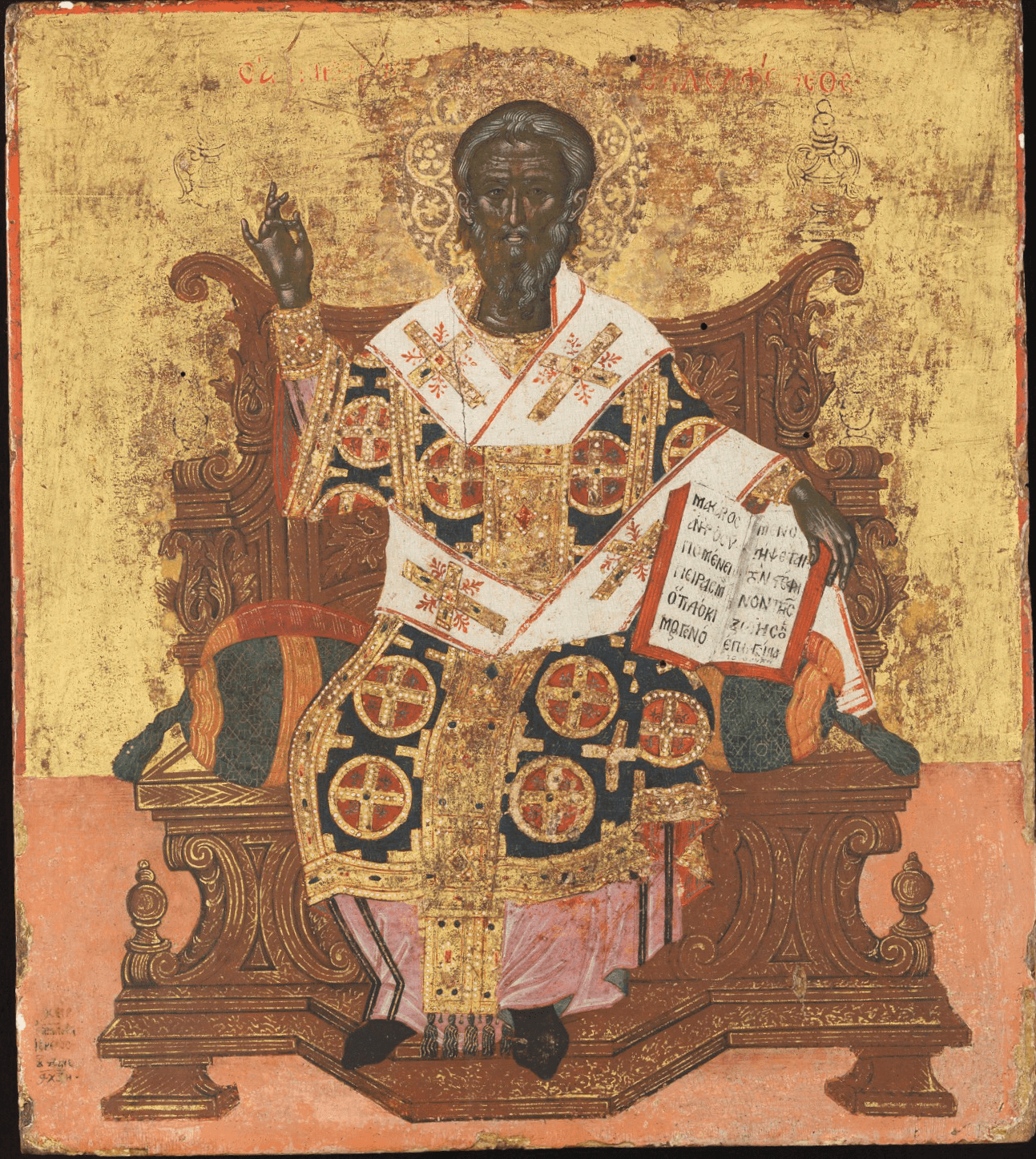
  • St. James the Less with the Fuller's Club

    His distinguishing attribute — a heavy club used in the medieval fullers' trade, the traditional instrument of his martyrdom.

Patronages
Dying soulsFullers (cloth-finishers)Pharmacists (in some traditions)Apothecaries
Sources & Further Reading