
MIRACULOUS MIRACLES™

Saint — Bl. Jordan of Pisa (Giordano da Pisa)

Bl. Jordan of Pisa (Giordano da Pisa)
c. 1255 AD, Rivalto near Pisa, Republic of Pisa (Italian Pisan family) — March 6, 1311 AD, Piacenza, Lombardy — died on the journey to teach at the University of Paris
Dominican vernacular preacher; father of Italian vernacular preaching
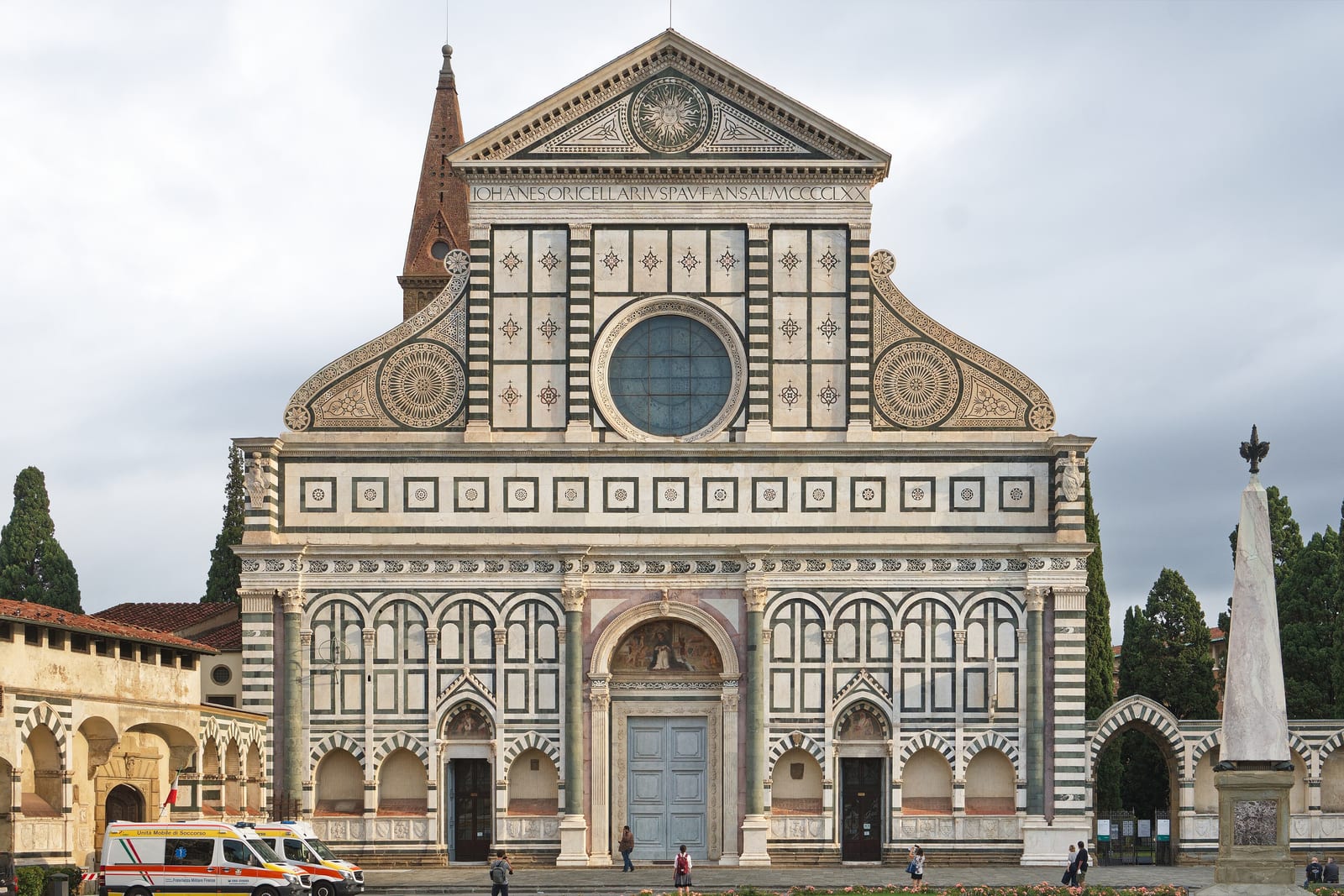
Basilica of Santa Maria Novella, Florence, Italy — the Dominican basilica where Jordan preached the famous 1303–1306 vernacular sermon cycle; the birthplace of Italian vernacular preaching, Italy
Feast
March 6
Canonized
Beatified 1833 by Pope Gregory XVI
Life

Jordan (Italian Giordano) was born around 1255 at Rivalto near Pisa. He entered the Dominican Order at Pisa around 1275 and studied at the Dominican studia at Pisa, Bologna, and Paris.

In 1303, Jordan was assigned to the Dominican Basilica of Santa Maria Novella at Florence — undertaking the ministry of vernacular preaching in the Florentine Tuscan dialect (the language of Dante Alighieri, who was then composing the Divina Commedia in the same Florentine Tuscan).

Jordan's Florentine vernacular sermon-cycle of 1303–1306 — hundreds of sermons preached at the Basilica of Santa Maria Novella and at other Florentine Dominican foundations — instituted the Italian vernacular preaching tradition. The contribution of Jordan was the systematic application of the scholastic-theological method (developed at the Universities of Paris and Bologna) to the Italian vernacular pastoral preaching — producing the characteristic Italian Catholic-vernacular sermon that would extend through the late-medieval and early-modern Italian Catholic preaching tradition (Sts. Bernardino of Siena, Vincent Ferrer, Antoninus of Florence, John of Capistrano, and the Italian Dominican-Franciscan vernacular preachers).

Jordan's sermons survive in multiple manuscript collections (over 700 documented sermons) and are one of the principal early Italian vernacular literary corpora — an institutional witness to the contemporary emergence of the Italian vernacular literary culture that would produce Dante's Divina Commedia (1308–1320) and Petrarch's vernacular Rime.

Called by his superiors in 1311 to teach at the University of Paris — the principal Dominican academic centre — Jordan undertook the journey north from Florence but died en route at Piacenza on March 6, 1311.

Miracles & Phenomena
  • The Italian vernacular preaching tradition

    Bl. Jordan of Pisa's Florentine vernacular sermon-cycle of 1303–1306 at the Basilica of Santa Maria Novella instituted the Italian vernacular preaching tradition. The contribution — the systematic application of the scholastic-theological method to the Italian vernacular pastoral preaching — produced the characteristic Italian Catholic-vernacular sermon tradition that extended through the late-medieval and early-modern Italian Catholic preaching tradition.

  • The 700+ surviving vernacular sermons

    Jordan of Pisa's sermons survive in multiple manuscript collections — over 700 documented sermons — and are one of the principal early Italian vernacular literary corpora, an institutional witness to the contemporary emergence of the Italian vernacular literary culture.

Relics
  • Body
    Tomb of Bl. Jordan of Pisa
    Basilica of Santa Caterina, Pisa, Italy — his Pisan Dominican foundation; the Pisan Catholic pilgrim destination

    His relics were translated from Piacenza to the Basilica of Santa Caterina at Pisa (his Pisan Dominican foundation) and remain there in continuous Catholic Dominican liturgical use.

Iconography
  • Jordan of Pisa preaching at Santa Maria Novella

    The early-14th-century Dominican in Dominican black-and-white habit at the pulpit of the Basilica of Santa Maria Novella at Florence preaching the Florentine vernacular sermon, the Florentine Catholic congregation listening — the iconography of Catholic Italian vernacular preaching tradition.

Patronages
Order of Preachers (Dominicans)Catholic Italian vernacular preaching tradition (the father of the Italian vernacular sermon)Pisa, Florence, and the Tuscan Catholic-literary tradition