
MIRACULOUS MIRACLES™

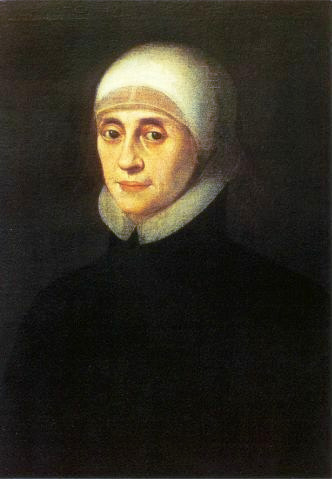
Saint — Ven. Mary Ward, IBVM

Ven. Mary Ward, IBVM
January 23, 1585 AD, Mulwith, Yorkshire, Kingdom of England (noble Ward recusant family) — January 30, 1645 AD, Heworth, near York, Kingdom of England
English Catholic religious foundress; modernizer of women's religious life; founder of the Institute of the Blessed Virgin Mary (Loreto Sisters)
Bar Convent, York, England — English mother-house of the Institute of the Blessed Virgin Mary; oldest continuously-operating convent in England (since 1686), United Kingdom
Feast
January 30
Canonized
Declared Venerable by Pope Benedict XVI on December 19, 2009 (cause of canonization continues)
Life

Mary Ward was born on January 23, 1585 at Mulwith in Yorkshire to the noble Ward recusant Catholic family. Educated at the recusant Catholic house of her relatives, Mary undertook the continental Catholic religious vocation in 1606 — travelling to the Poor Clare Monastery at Saint-Omer in the Spanish Netherlands.

In 1609, Mary left the Poor Clares to found her new institute — the Institute of the Blessed Virgin Mary (IBVM) at Saint-Omer. The Institute undertook the radical innovations of the women's religious life: no enclosure (women religious living and working outside the cloister), no habit (plain lay dress), no obligation to choir office (instead an apostolic vocation), and direct governance by a female Superior General answerable only to the Pope (in institutional parallel with the Jesuit model — producing the colloquial name 'the female Jesuits').

Mary Ward's radical vision was the systematic free girls' education across Europe — establishing multiple Institute foundations at Liège (1616), Cologne (1620), Rome (1622), Naples (1623), Munich (1626), Vienna (1627), Pressburg (1627), and Prague (1627).

The radical innovations of Mary Ward's institute provoked massive opposition from the Vatican canonical authorities. In 1631, Pope Urban VIII issued the bull *Pastoralis Romani Pontificis* — suppressing the Institute of the Blessed Virgin Mary and imprisoning Mary Ward at the Anger monastery in Munich for nine weeks.

Released in 1632, Mary Ward spent the 13 years in personal exile — continuing to provide personal spiritual direction to the surviving Institute communities while not holding institutional office.

She died at Heworth near York on January 30, 1645 at the age of 60. The Institute of the Blessed Virgin Mary was reconstituted in the centuries and continues to the present day as the Loreto Sisters and the Congregation of Jesus.

Declared Venerable by Pope Benedict XVI on December 19, 2009 — the Vatican recognition of Mary Ward's rehabilitation after the 1631 suppression.

Miracles & Phenomena
  • The modernization of women's religious life

    Ven. Mary Ward's Institute of the Blessed Virgin Mary — with the radical innovations of no enclosure, no habit, no obligation to choir office, and direct governance by a female Superior General answerable only to the Pope — established the modernization of women's religious life. Although suppressed in 1631, the Ward-model underpinned the apostolic-women's-congregation tradition of the 18th–20th centuries (Daughters of Charity, Sisters of Mercy, Society of the Sacred Heart, and dozens of apostolic-women's congregations).

  • The Bar Convent, York

    The Bar Convent in York — established 1686 by Institute of the Blessed Virgin Mary sisters — the oldest continuously-operating convent in England, in continuous operation for over 337 years — establishes the Mary Ward tradition in English Catholicism.

Relics
  • Body
    Grave of Ven. Mary Ward
    Osbaldwick Churchyard, near York, England — memorial in the churchyard (the parish was Protestant, so the burial was unmarked initially and marked later); Bar Convent, York, institutional memorial

    Her grave rests at the Osbaldwick Churchyard near York. The Bar Convent in York preserves the Mary Ward institutional memorial.

Iconography
  • Mary Ward as female Jesuit

    The early-17th-century English Catholic foundress in plain lay dress (not religious habit) travelling across Europe on foot establishing the Institute of the Blessed Virgin Mary foundations — the iconography of Catholic women's-religious-modernization tradition.

Patronages
Institute of the Blessed Virgin Mary (Loreto Sisters; Congregation of Jesus)Catholic women's religious modernization traditionCatholic English recusant tradition