
MIRACULOUS MIRACLES™

Saint — Matthew the Apostle and Evangelist

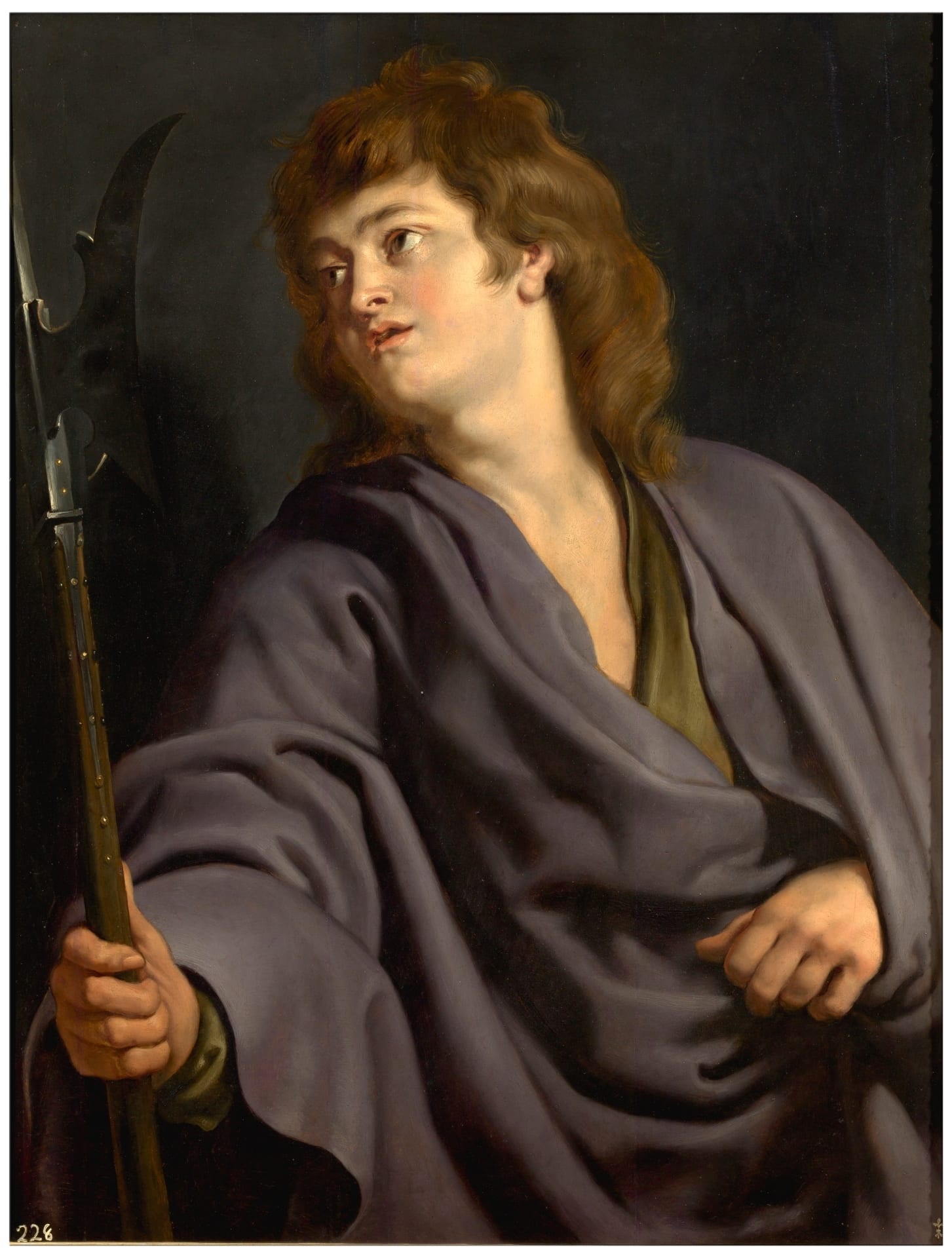
St. Matthew the Apostle and Evangelist
early 1st century — 1st century, traditionally Ethiopia
Author of the First Gospel
Cathedral of Salerno (San Matteo), Italy
Feast
September 21
✠ MartyrMartyred at the altar while celebrating Mass in Ethiopia (traditional) → The Martyrs
Life

Matthew, also called Levi, was a tax collector — a publican working at the customs house in Capernaum, collecting tolls on the great trade road between Damascus and the Mediterranean. As a collaborator with the Roman occupation, he was despised by his fellow Jews.

Christ called him while he was at his counting table: 'Follow me' — and he rose at once and followed (Matthew 9:9). That evening he gave a great banquet for Christ at his own house, scandalising the Pharisees by gathering 'many tax collectors and sinners' at table with him. Christ defended the company: 'Those who are well have no need of a physician, but those who are sick' (Matthew 9:12).

He authored the First Gospel — the most Jewish of the four, written for a Jewish-Christian audience, organising the teaching of Christ into five great discourses to echo the five books of Moses. Tradition, recorded by Rufinus and others, holds that he preached in Ethiopia and was martyred there while celebrating Mass. His relics were translated to Salerno in 954 and remain in the cathedral there.

Miracles & Phenomena
  • Walking Away From the Tax Booth

    The simple act of his calling — that, in a single moment at his desk, he stood up, left every account behind, and followed Christ — has been read for centuries as itself a miracle of grace. The subject of Caravaggio's masterpiece The Calling of St. Matthew in the church of San Luigi dei Francesi, Rome.

  • Healings in Ethiopia

    Apocryphal traditions describe Matthew raising the king of Ethiopia's son from the dead and the king's daughter (Iphigenia) being consecrated to virginity by the apostle. The king's successor, refused her hand, ordered Matthew's death at the altar during the consecration of a virgin.

Relics
  • Body
    Tomb of St. Matthew
    Crypt of the Cathedral of Salerno (Duomo di San Matteo)

    Translated from Ethiopia (or from a Byzantine site) to Salerno in 954. Beneath the high altar in the splendid Baroque crypt rebuilt in the 17th century. A 'manna' (a clear oily liquid) is reported to issue from the relic on the eve of his feast day.

Iconography
  • St. Matthew with the Angel

    His symbol from the four Living Creatures — the man-faced angel — for the way his Gospel opens with the human genealogy of Christ. He is often depicted writing his Gospel with the angel at his shoulder, dictating.

  • The Calling of St. Matthew
    Caravaggio · 1599–1600 · San Luigi dei Francesi, Rome

    Caravaggio's revolutionary painting in the Contarelli Chapel, San Luigi dei Francesi, Rome — Christ's hand reaching across a darkened room to point at a startled, contemporary-dressed tax collector. One of the great achievements of Western art.

Patronages
Accountants and bankersTax collectorsCustoms officersSalerno, ItalyMoney managers
Sources & Further Reading