
MIRACULOUS MIRACLES™

Blessed — Mechthild of Diessen (Mathilda of Andechs)

Bl. Mechthild of Diessen (Mathilda of Andechs)
c. 1125 AD, Andechs Castle, Bavaria (House of Andechs-Meranien) — May 31, 1160 AD, Edelstetten Abbey, Bavaria
Benedictine abbess; Bavarian Andechs-Meranien royal-monastic saint
Abbey of Diessen (Stift Dießen am Ammersee), Bavaria, Germany — her principal abbacy; the Bavarian Catholic women's-monastic tradition, Germany
Feast
May 31
Canonized
Pre-congregation; venerated as a principal Bavarian Catholic abbess and the kinswoman-precursor of the Andechs-Meranien dynasty saints
Life

Mechthild (German Mathilde) was born around 1125 at the Andechs Castle in Bavaria — daughter of Count Berthold I of Andechs and his wife Sophia of Istria. The House of Andechs-Meranien — to which Mechthild belonged — would produce the extensive 12th- and 13th-century Bavarian-European royal-saint dynasty that includes Sts. Hedwig of Silesia (1174–1243), Elizabeth of Hungary (1207–1231), and Agnes of Bohemia (1211–1282) — the kinswomen-saints of the High Medieval Catholic Central European royal-spiritual tradition.

Mechthild entered religious life at the Abbey of Diessen on Lake Ammer in Bavaria — one of the principal Bavarian women's-monastic foundations of the period, a house of Augustinian Canonesses Regular.

She became abbess of Diessen around 1153 — undertaking the reform of the Diessen community under the guidance of St. Hildegard of Bingen (the principal Rhineland visionary-abbess of the period, who maintained extensive correspondence with reforming abbesses and abbots across Catholic Europe).

Around 1156, at the request of Bishop Conrad of Augsburg, Mechthild was appointed abbess of the Edelstetten Abbey — a severely decayed Bavarian women's-monastic community requiring reform. Mechthild undertook the difficult reform under considerable opposition from the previous community, and died at Edelstetten on May 31, 1160 — during the hard reform period.

Her cult was immediately recognized at Diessen and at Edelstetten; the extensive Andechs-Meranien royal-saint dynasty — and especially the famous Sts. Hedwig and Elizabeth of Hungary — drew on the pre-existing veneration of the kinswoman-precursor Mechthild in the Bavarian-European royal-Catholic tradition.

Miracles & Phenomena
  • The Andechs-Meranien royal-saint dynasty precursor

    Bl. Mechthild of Diessen's position as the kinswoman-precursor of the extensive 12th- and 13th-century Andechs-Meranien royal-saint dynasty — produced through her kinship with Sts. Hedwig of Silesia (1174–1243), Elizabeth of Hungary (1207–1231), and Agnes of Bohemia (1211–1282) — institutionally established the distinctive Bavarian-Andechs Catholic royal-spiritual tradition that would extend through the High Medieval Catholic Central European period. The Andechs-Meranien royal-saint dynasty produced one of the most extensive medieval European royal-saint kindreds — analogous to the extensive 7th-century Anglo-Saxon royal-saint kindred.

Relics
  • Body
    Tomb of Bl. Mechthild of Diessen
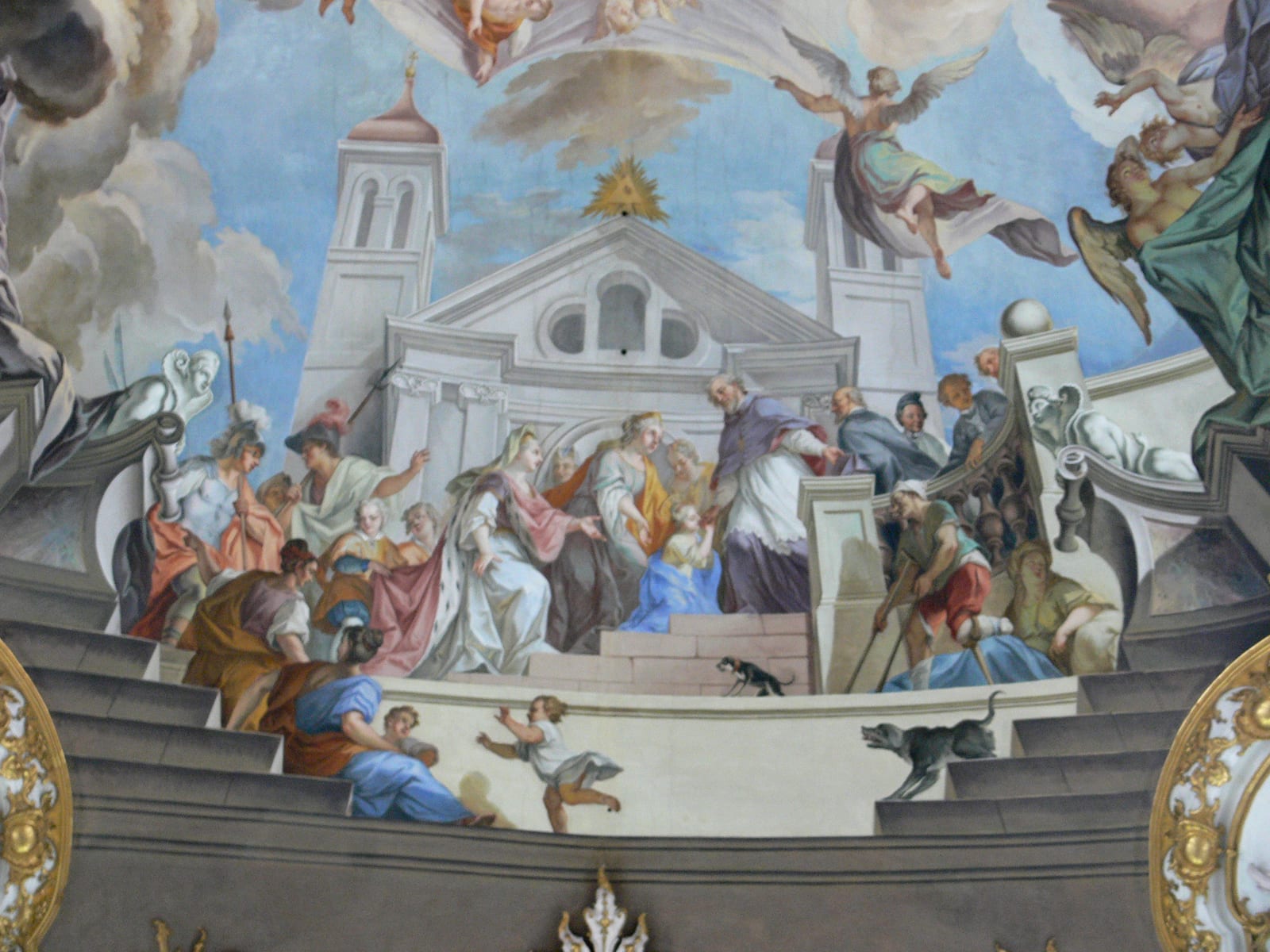
    Originally Edelstetten Abbey (1160 burial); principal relics translated to the Abbey of Diessen am Ammersee, Bavaria, Germany — survives in the late-baroque pilgrimage church (rebuilt 1732–1739 by the famous Bavarian architect Johann Michael Fischer)

    Her principal relics rest today at the Abbey of Diessen am Ammersee — rebuilt in the famous late-baroque style (1732–1739) by the principal Bavarian rococo architect Johann Michael Fischer, one of the principal Bavarian baroque pilgrimage churches. The church survives in active Catholic liturgical use.

Iconography
  • Mechthild of Diessen as Bavarian abbess

    The mid-12th-century Bavarian Andechs-Meranien abbess in Augustinian-Canoness habit at the Abbey of Diessen am Ammersee directing the reform of the Diessen women's monastic community, the distinctive Andechs-Meranien royal coronet visible (her royal-noble kinship), the Lake Ammer visible behind — the iconography of Catholic Bavarian Andechs-Meranien royal-monastic tradition.

Patronages
Diocese of AugsburgThe Bavarian Catholic Andechs-Meranien royal-dynasty saints tradition (the kinswoman-precursor of Sts. Hedwig of Silesia, Elizabeth of Hungary, and Agnes of Bohemia)Catholic Bavarian women's monastic-tradition