
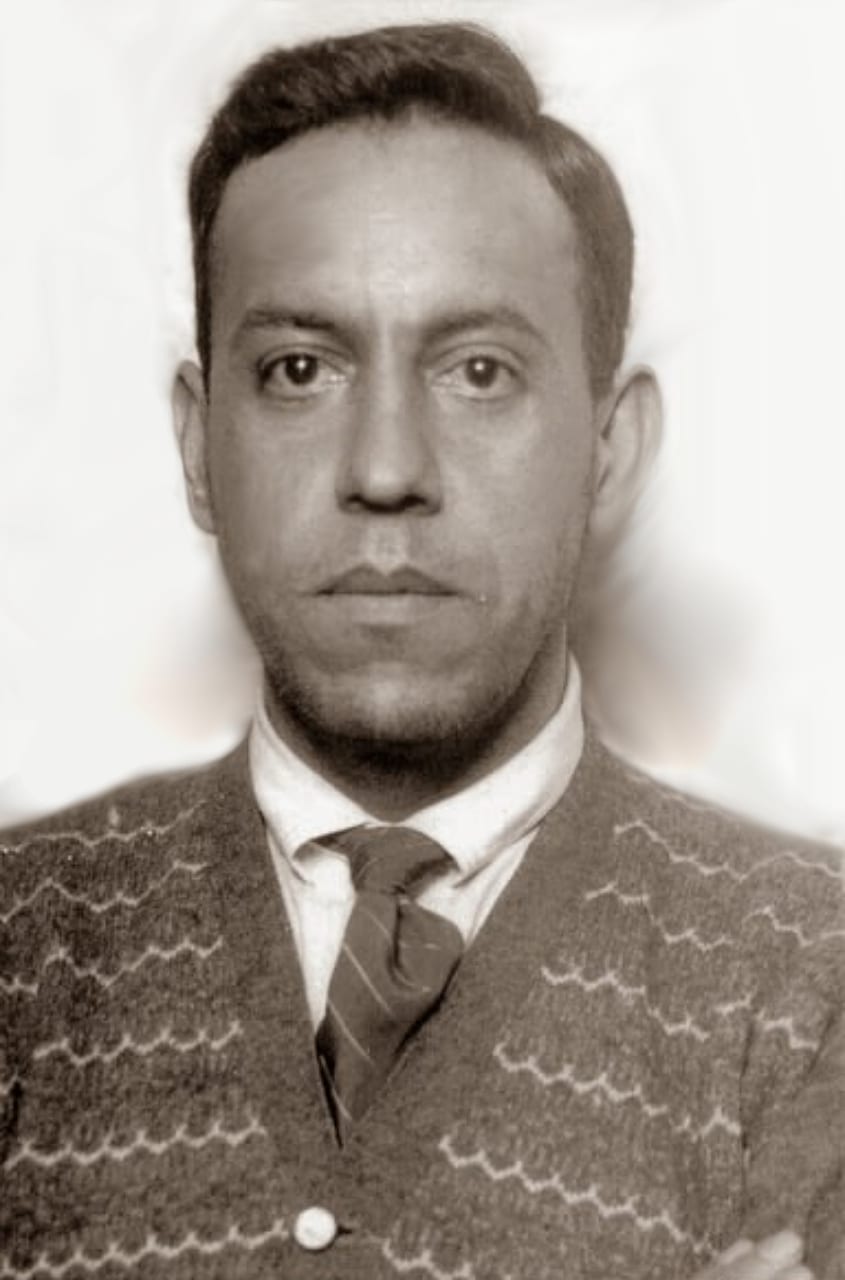
José Ramón Miguel Agustín Pro Juárez was born to a Zacatecan mining family in the small town of Guadalupe, entered the Jesuits at El Llano in Jalisco in 1911 at twenty, and lived through the exile of the Mexican Jesuit province during the long Mexican Revolution (1910–20). He completed his Jesuit formation in California, Granada (Spain), Nicaragua, and Belgium — where he was ordained priest at Enghien in August 1925 at thirty-four.
He returned clandestinely to Mexico in July 1926 — during the most violent phase of the Calles persecution that had triggered the Cristero War (the 1926–29 armed Catholic resistance to the Calles anti-religious legislation). The Mexican state under President Plutarco Calles had outlawed public Catholic worship, expropriated Catholic schools, expelled foreign priests, and made the wearing of clerical dress in public a fineable offence. Public Mass had been suspended in Mexico for over a year by the time Padre Pro arrived in Mexico City under the alias 'José Mendoza.'
He worked clandestinely in Mexico City for sixteen months — celebrating Mass in private homes, distributing the Eucharist door-to-door (sometimes carrying the consecrated Hosts in his pockets), and supporting the substantial Mexican Catholic underground that had formed in response to the persecution. He was famous in this period for his use of theatrical disguises (he had a particular gift for impersonating other professions — taxi-driver, schoolteacher, gentleman) and for his extraordinary humor under pressure.
He was arrested on November 18, 1927 on the false charge of involvement in a bomb attack on the former Mexican president Álvaro Obregón. Without trial, on the personal orders of President Calles, Pro and his brother Humberto (also arrested) were sentenced to death by firing squad. The execution on November 23, 1927 was deliberately staged by Calles as a public exemplary show: international and Mexican press were invited and the moment was photographed. Pro, asked his last request, asked for a moment to pray, then stood with arms outstretched in the form of a cross, looking at the firing squad and saying with his last breath: 'Viva Cristo Rey!' — 'Long live Christ the King!' The photograph of the execution moment is one of the most famous Catholic-martyr images of the 20th century. Beatified 1988.