
MIRACULOUS MIRACLES™

Saint — Naum of Preslav (Naum of Ohrid)

St. Naum of Preslav (Naum of Ohrid)
c. 830 AD, Moesia (the Bulgarian-Slavonic Christian heartland) — December 23, 910 AD, Ohrid, Bulgarian Empire (modern North Macedonia)
Methodian disciple; co-missionary of the Bulgarian-Slavonic Catholic-Orthodox tradition
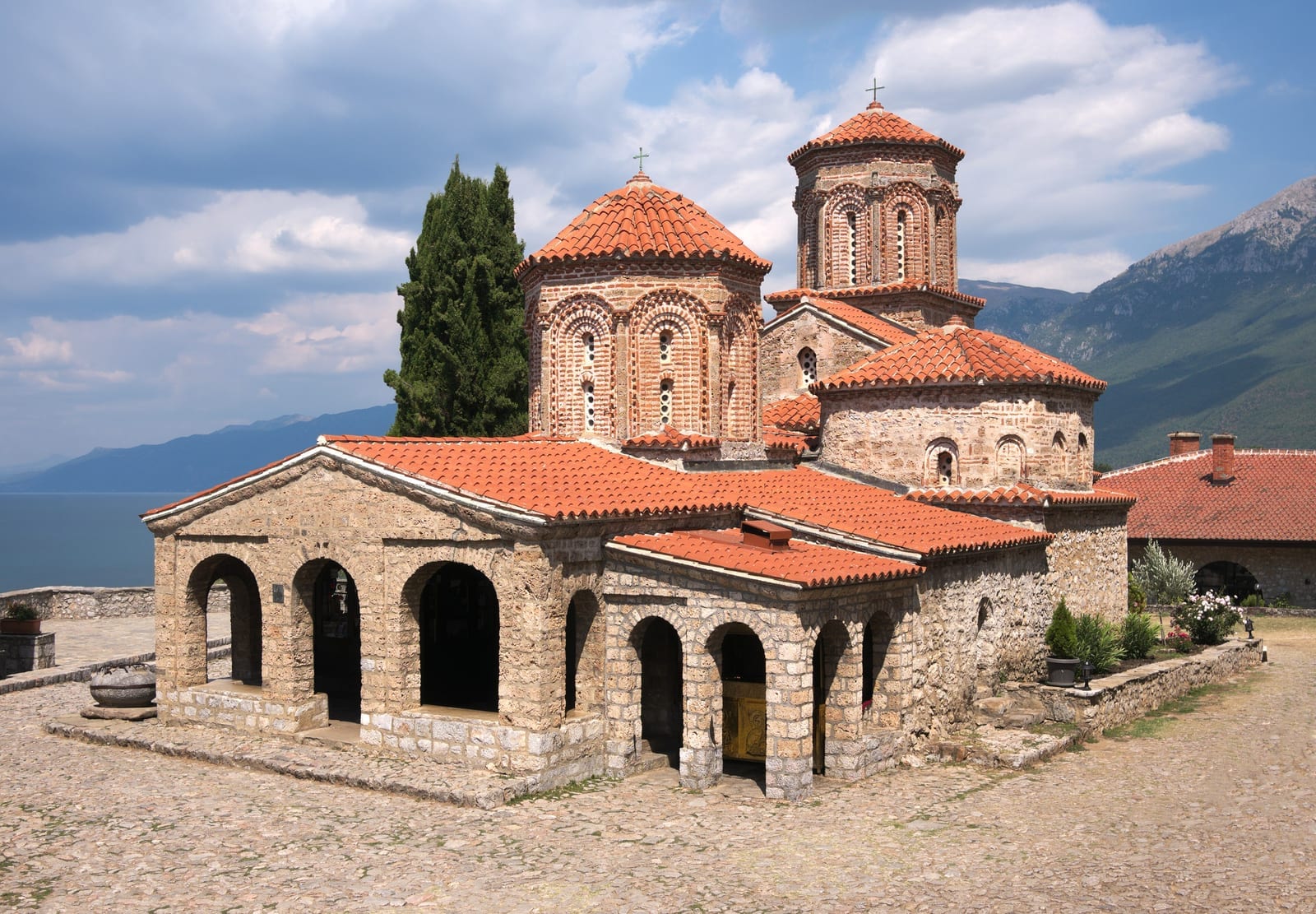
Monastery of Sveti Naum (Sveti Naum), south shore of Lake Ohrid, North Macedonia — his monastery, in continuous Catholic-Orthodox use since 905, North Macedonia
Feast
December 23 and June 20 (translation)
Canonized
Pre-congregation; venerated jointly in the eastern-Catholic Byzantine-rite Bulgarian and Macedonian Catholic and Orthodox calendars
Life

Naum was a disciple and companion of Sts. Cyril and Methodius during the Slavic mission of the 860s–880s. He travelled with them to Rome in 867–869 (where Cyril died and Methodius was consecrated bishop), and he served with Methodius in Moravia until Methodius's death in April 885.

When Pope Stephen V suppressed the Slavonic liturgy in Moravia (885) and the Frankish bishop Wiching expelled the Methodian disciples from Moravia, Naum — together with Clement of Ohrid, Angelar, Sava, and Gorazd (the 'Seven Holy Apostles of the Slavs') — fled south to the Bulgarian kingdom of Boris I, who received them with royal hospitality.

Naum and Clement established the Bulgarian-Slavonic literary culture at the courts of Pliska and later Ohrid: founding the Preslav and Ohrid Literary Schools, producing the Bulgarian-Slavonic translations of the Bible, the Greek liturgical books, the Church Fathers, and secular Greek learning. The Old Church Slavonic literary tradition that the Cyrillo-Methodian-Naumian school produced is the mother-language of Bulgarian, Serbian, Russian, Macedonian, and Ukrainian.

Around 905 Naum withdrew to the south shore of Lake Ohrid, where he founded the monastery of the Holy Archangels (renamed Sveti Naum after his death). He died there on December 23, 910, and was buried at his monastery — which has been a Catholic-Orthodox pilgrim destination for eleven centuries and survives in active liturgical use today.

Miracles & Phenomena
  • The Bulgarian-Slavonic literary culture

    Naum's co-establishment (with Clement of Ohrid) of the Preslav and Ohrid Literary Schools in the 890s produced the Old Church Slavonic translations of the Bible and liturgy that became the mother-language of Bulgarian, Serbian, Macedonian, Russian, and Ukrainian Catholic-Orthodox Christianity. The translation work underpins the entire Slavic-Christian literary tradition — among the most consequential cultural-religious transmissions in Christian history.

  • The healing of mental illness at Sveti Naum

    The monastery of Sveti Naum on Lake Ohrid has been renowned for eleven centuries for the healing of mental illness — the mentally-ill brought from across the Balkans to spend the night at the saint's tomb in the monastery church, and reportedly cured by his intercession. The tradition continues to the present day, with pilgrims still bringing the mentally-ill to the tomb in the Sveti Naum monastery church.

Relics
  • Body
    Tomb of St. Naum
    Monastery of Sveti Naum, Lake Ohrid, North Macedonia — in continuous Catholic-Orthodox liturgical use since 910 AD

    His tomb in the monastery church on the south shore of Lake Ohrid has been the principal Catholic-Orthodox pilgrim destination of the Macedonian, Bulgarian, Serbian, and Albanian regions for eleven centuries. The monastery survives in active Orthodox liturgical use (with shared use by the Eastern Catholic Macedonian and Bulgarian Greek Catholic communities).

Iconography
  • Naum at the founding of Sveti Naum

    The early-10th-century Slavonic-Bulgarian monk-missionary in Byzantine monastic schema-habit on the south shore of Lake Ohrid at the founding of his monastery, the Slavonic Gospel-book in his hand and the Bulgarian disciples behind — the iconography of eastern-Catholic Bulgarian-Slavonic Christian-tradition.

Patronages
The Bulgarian, Macedonian, and Serbian Catholic-Orthodox traditionCatholic Slavonic-language liturgyThe healing of mental illness (the Sveti Naum monastery healing tradition)