
MIRACULOUS MIRACLES™

Saint — Paul of Latros (Paul the Younger of Mount Latros)

St. Paul of Latros (Paul the Younger of Mount Latros)
c. 880 AD, Elea (Pergamum), Byzantine Asia Minor — December 15, 955 AD, Mount Latros, Byzantine Caria, Asia Minor
Byzantine hermit; Mount Latros monastic tradition
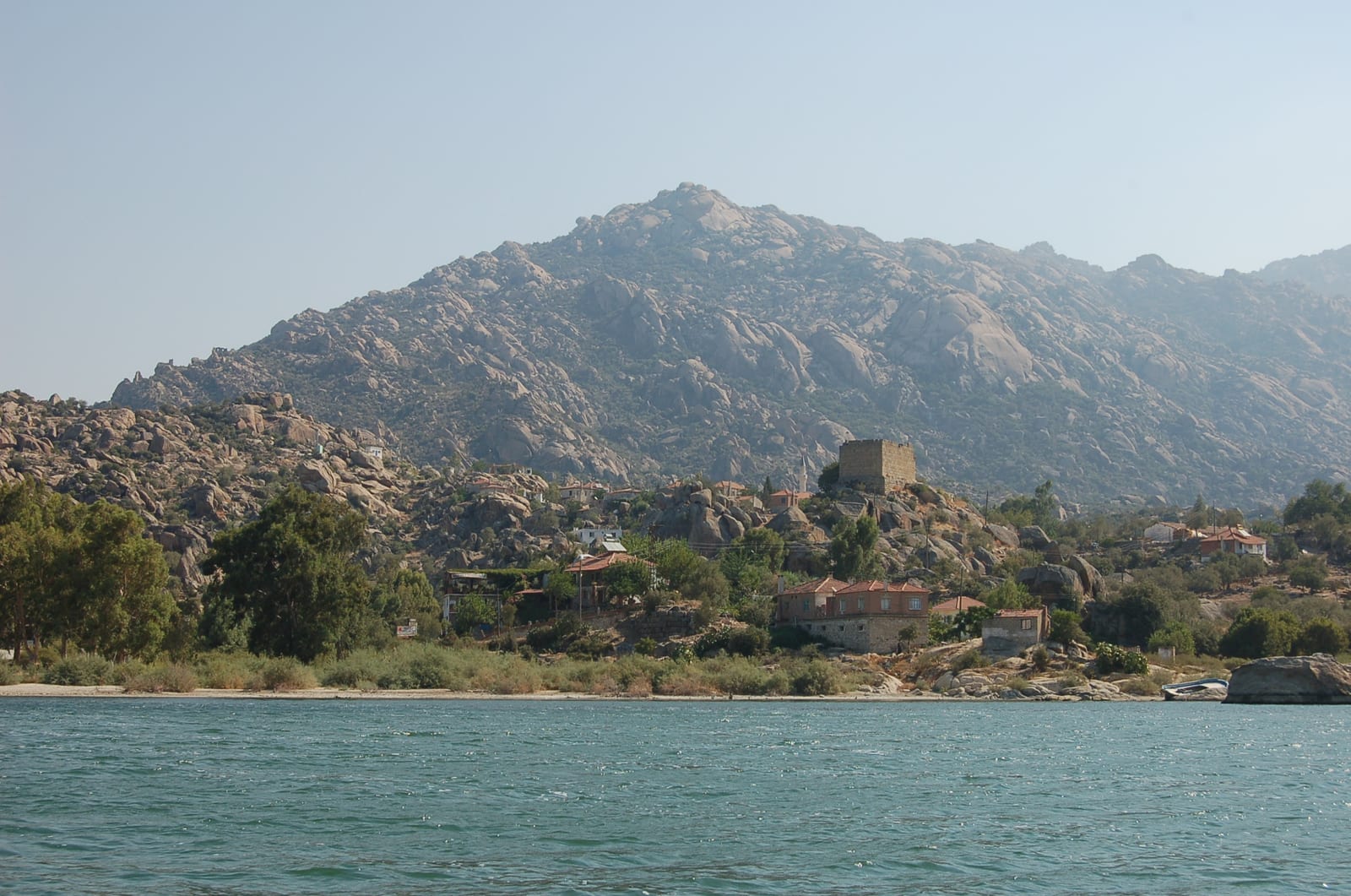
Stylos Monastery, Mount Latros (Beşparmak Dağları), Caria, Turkey — the Byzantine monastic-hermit centre of the 10th–13th centuries; abandoned after the 13th-century Turkish conquest, Turkey
Feast
December 15
Canonized
Pre-congregation; venerated jointly in the eastern-Catholic Byzantine-rite and Orthodox calendars
Life

Paul was born around 880 in Elea (the ancient city of Pergamum) in Byzantine western Asia Minor to a Greek Byzantine military family — his father a thematic-army officer killed in Saracen-frontier warfare during Paul's childhood.

After the death of his mother during his youth, he and his elder brother Basil entered the monastery of the Most Pure Virgin on Mount Latros in Byzantine Caria (the mountain known in antiquity as Mount Latmos, in modern southwestern Turkey).

After years of cenobitic monastic life, Paul withdrew to a cave-hermitage on the rocky slopes of Mount Latros, living as a solitary anchorite for decades in extreme ascetic discipline.

When disciples began seeking him out, Paul founded the Stylos Monastery (the 'Pillar Monastery', named for his stylite-influenced ascetic discipline) on the Mount Latros — becoming the principal monastic centre of the mountain.

Mount Latros under Paul's leadership and his immediate successors became (alongside Mount Olympus in Bithynia, Mount Auxentius near Constantinople, and the soon-to-be-founded Mount Athos) one of the principal Byzantine monastic-hermit mountains of the 10th–11th centuries.

Paul died at the Stylos Monastery on December 15, 955. The Mount Latros monastic tradition continued through the two centuries until the 13th-century Turkish conquest of southwestern Asia Minor produced the abandonment of the mountain — the ruined monasteries survive today in the dramatic rocky landscape of the Beşparmak Dağları national park.

Miracles & Phenomena
  • The Mount Latros monastic centre

    Paul's leadership of the Mount Latros monastic-hermit centre — producing the principal Byzantine monastic mountain of southwestern Asia Minor in the 10th–11th centuries, alongside Mount Olympus in Bithynia and the soon-to-be-founded Mount Athos — is the institutional manifestation of the late-Byzantine monastic-hermit-mountain culture. The Mount Latros tradition produced the Symeon the Stylite the Younger (pillar-stylite), the hermit-cave culture of the mountain, and the distinctive Byzantine mountain-monastic spirituality.

Relics
  • Body
    Tomb of St. Paul of Latros
    Stylos Monastery, Mount Latros (Beşparmak Dağları), Caria, Turkey — abandoned after the 13th-century Turkish conquest; the ruined monastery survives in the dramatic rocky landscape of the Beşparmak Dağları national park

    His tomb at the Stylos Monastery was abandoned with the 13th-century Turkish conquest of the region; fragmentary relics were translated to Constantinople and Mount Athos, where they are venerated to the present day.

Iconography
  • Paul in the Mount Latros cave-hermitage

    The early-10th-century Byzantine hermit in monastic schema-habit in the rocky cave-hermitage of Mount Latros, long beard and ascetic gauntness evident, the prayer-rope in his hand and the Mount Latros monastery visible in the distance — the iconography of eastern-Catholic Byzantine mountain-monastic-hermit tradition.

Patronages
Catholic and Orthodox Mount Latros monastic traditionCatholic and Orthodox Byzantine hermit-stylite tradition