
MIRACULOUS MIRACLES™

Saint — Pega of Crowland

St. Pega of Crowland
c. 675 AD, Mercia (royal Mercian Guthlacingas family) — c. 719 AD, Rome (on pilgrimage)
Anglo-Saxon anchoress; sister of St. Guthlac
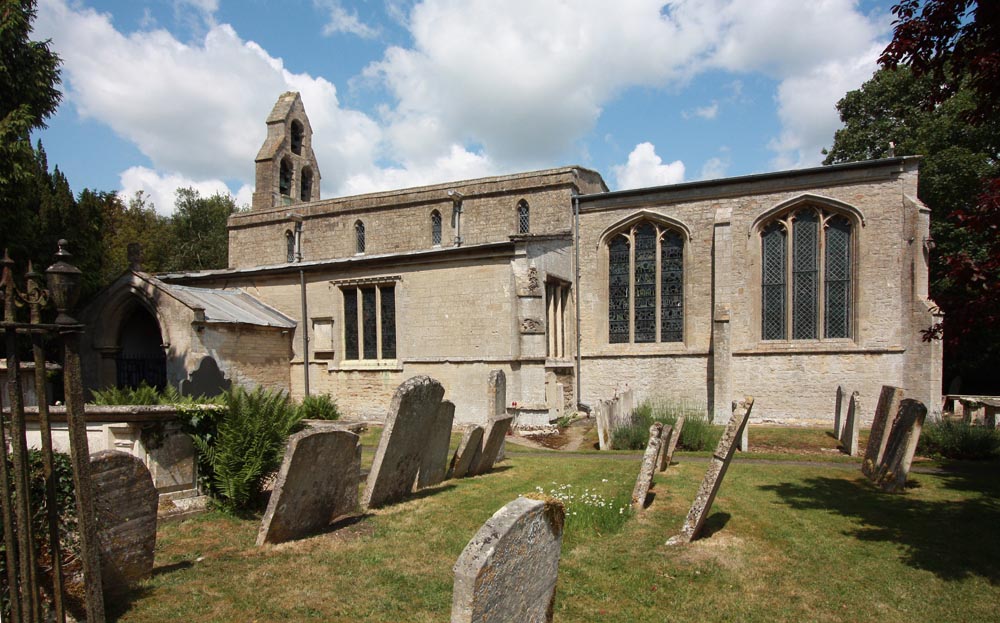
Peakirk (Old English Pega's-cirice, 'Pega's church'), Cambridgeshire — her hermitage near Crowland, United Kingdom
Feast
January 8
Canonized
Pre-congregation; cult established by Felix's Vita Sancti Guthlaci
Life

Pega (Old English Pēga) was the sister of St. Guthlac of Crowland — both children of the noble Mercian warrior family of the Guthlacingas (royal Icel descent).

When her brother withdrew to the Crowland fens in 699, Pega settled as a recluse at the nearby hermitage of what would become Peakirk ('Pega's church'), several miles from Guthlac across the fen. By the prescription of fen-anchoritic discipline they did not meet again in Guthlac's lifetime.

When Guthlac died on April 11, 714, his last instruction was that Pega be summoned to perform his burial. She came from Peakirk to Crowland, anointed and buried her brother per his instruction, and was the principal recipient of his Crowland goods (the Psalter and scourge that became the abbey's foundational relics).

Sometime after Guthlac's burial, Pega set out on pilgrimage to Rome (a not uncommon practice for Anglo-Saxon religious women of the early 8th century — see Bertha of Kent and Cuthburga). She died at Rome around 719 and was buried in a Roman church (variously identified in later tradition); her cult is preserved at her foundational Peakirk hermitage, which gave its name to the modern Cambridgeshire village.

Miracles & Phenomena
  • The healing of the blind man at Crowland

    Felix's Vita Sancti Guthlaci records that when Pega arrived at Crowland to bury her brother, the salt from his deathbed (or in some versions, the linen from his shroud) cured a blind man whom she met on the journey — establishing the foundational miraculous reputation of the Crowland relics and the foundation of the medieval Crowland pilgrim cult.

Relics
  • Body
    Tomb of St. Pega at Rome
    Rome (location uncertain; medieval tradition variously identified S. Maria del Popolo and other churches)

    Her remains were never returned to England; her cult persisted at the Peakirk hermitage and church (still active as the parish church of St. Pega, Peakirk — one of the very few churches in England dedicated to her).

Iconography
  • Pega receiving the Psalter at Guthlac's deathbed

    The early-8th-century Anglo-Saxon anchoress in plain monastic habit at her dying brother's Crowland hermitage receiving from his hand the Psalter of St. Bartholomew and the scourge — the iconography preserved in the early-13th-century Harley Guthlac Roll (Roundel 12, British Library).

Patronages
Peakirk villageCambridgeshire fenlandsCatholic women anchorites of the Anglo-Saxon traditionSisters of the dying