
MIRACULOUS MIRACLES™

Saint — Photius of Kiev

St. Photius of Kiev
c. 1360 AD, Monemvasia, Peloponnese, Byzantine Empire (Greek noble family) — July 2, 1431 AD, Moscow, Grand Duchy of Moscow
Metropolitan of Kiev and All Rus' 1408–1431; Byzantine-Athonite Metropolitan of the Muscovite-Kievan tradition
Cathedral of the Dormition, Moscow Kremlin, Russia — the Metropolitan cathedral; his relics, Russia
Feast
July 2 (death); May 27 (translation of relics 1472)
Canonized
Canonized 1472 by the Council of Russian Bishops (with St. Cyprian of Kiev, his predecessor as Metropolitan)
Life

Photius (Greek Photios, Russian Фотий) was born around 1360 at Monemvasia on the Peloponnese to a Greek noble family. He received his monastic formation at Mount Athos — the Athonite-hesychast tradition of Sts. Gregory Palamas and Gregory of Sinai, the same tradition exemplified by his predecessor St. Cyprian of Kiev.

On the death of St. Cyprian of Kiev on September 16, 1406, the Ecumenical Patriarch of Constantinople appointed Photius as Metropolitan of Kiev and All Rus'. Photius arrived in Moscow in 1410 and undertook the governance of the Kievan-Muscovite ecclesiastical province.

Photius's twenty-one-year metropolitan ministry (1410–1431) was devoted to the continuation of St. Cyprian's Athonite-hesychast liturgical reform, the systematic pastoral organization of the Kievan-Muscovite ecclesiastical province during the politically-fragmented period, and the continued unity of the Kievan-Rus' ecclesiastical province.

He died at Moscow on July 2, 1431. His relics were translated to the Cathedral of the Dormition at the Moscow Kremlin in 1472 (simultaneously with the translation of the relics of his predecessor St. Cyprian of Kiev).

Miracles & Phenomena
  • The Cyprian-Photius Athonite-hesychast tradition of Kiev-Moscow

    St. Photius of Kiev's twenty-one-year metropolitan ministry (1410–1431) — in institutional continuity with his predecessor St. Cyprian of Kiev (1390–1406) — established the Athonite-hesychast liturgical tradition of the Kievan-Muscovite ecclesiastical province. The combined Cyprian-Photius forty-year Athonite-hesychast leadership established the Byzantine-Greek Athonite spiritual formation of the Russian Catholic-Orthodox tradition of the early 15th century.

Relics
  • Body
    Relics of St. Photius of Kiev
    Cathedral of the Dormition, Moscow Kremlin, Russia — translated 1472; UNESCO World Heritage Site since 1990

    His relics rest at the Cathedral of the Dormition at the Moscow Kremlin — beside those of his predecessor St. Cyprian of Kiev, the two great Athonite-hesychast metropolitans of the early Russian tradition.

Iconography
  • Photius as Metropolitan of Kiev and All Rus'

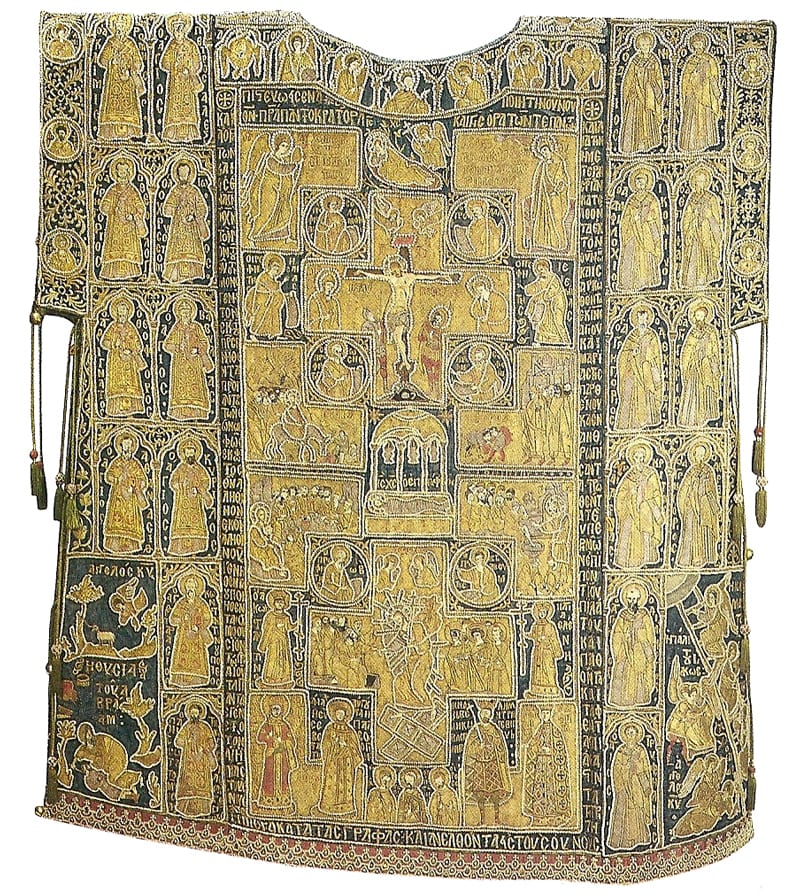
    The early-15th-century Byzantine-Greek Metropolitan in Byzantine-rite metropolitan vestments at the Cathedral of the Dormition at the Moscow Kremlin, holding the Athonite liturgical books — the iconography of eastern-Catholic Kievan Metropolitan tradition.

Patronages
The Russian, Ukrainian, and Belarusian Catholic-Orthodox traditionCatholic Athonite-hesychast liturgical traditionCatholic Byzantine-Greek metropolitan-in-Russia tradition