
MIRACULOUS MIRACLES™

Saint — Pope St. Adrian III

Pope St. Adrian III
c. 830 AD, Rome (Roman family) — September 8 or 17, 885 AD, San Cesario sul Panaro, near Modena (en route to the Diet of Worms convened by Charles the Fat)
109th Pope (884–885); one of the few formally canonized 9th-century popes
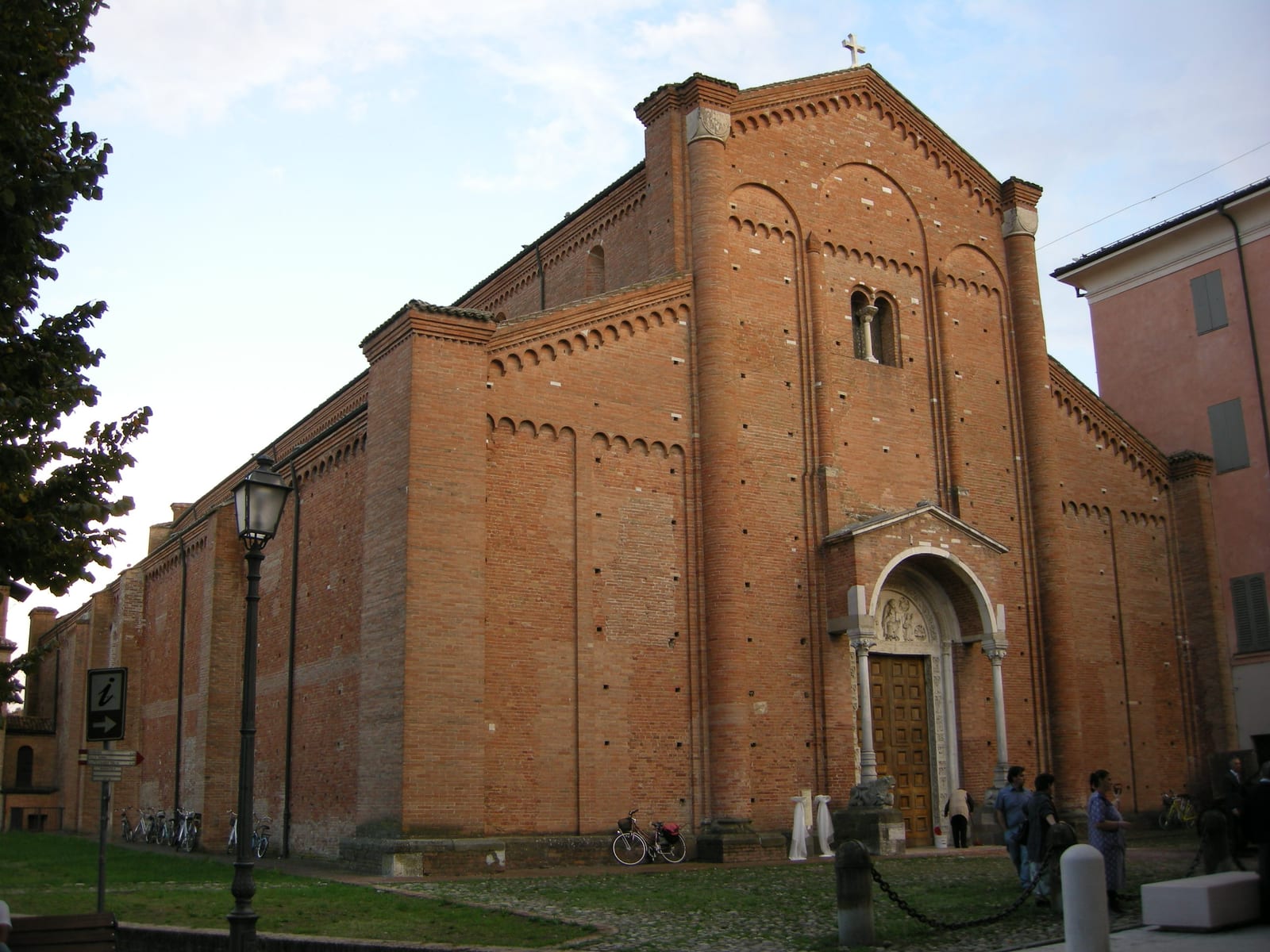
Abbey of Nonantola (Abbazia di Nonantola), near Modena, Italy — his tomb-shrine (the only pope buried outside Rome in the early-medieval period); the abbey survives in active Catholic use, Italy
Feast
July 8
Canonized
Formally canonized 1891 by Pope Leo XIII (the confirmation of immemorial local cult at the Abbey of Nonantola)
Life

Adrian III was elected on May 17, 884, immediately after the death of Marinus I. His fifteen-month pontificate was devoted to the continuing Roman political crisis following the assassination of John VIII, and to the diplomatic management of the rapidly-disintegrating Carolingian empire under the ineffective Emperor Charles the Fat (882–887).

In summer 885, summoned by Charles the Fat to attend the Diet of Worms — convened to address the accelerating Carolingian succession crisis — Adrian III set out from Rome with the papal entourage on the journey north across the Alps.

He fell ill at San Cesario sul Panaro near Modena and died there on either September 8 or September 17, 885 — having travelled only as far as the Po valley. The monks of the nearby Abbey of Nonantola (founded 752 by St. Anselm of Nonantola) received the papal body for burial.

Adrian III is the only pope of the early-medieval period to be buried outside Rome — his tomb at the Abbey of Nonantola becoming the pilgrim destination of Emilia-Romagna and the object of immemorial local cult that would be formally confirmed by Pope Leo XIII's canonization decree of 1891.

Miracles & Phenomena
  • The papal itinerant burial at Nonantola

    Adrian III's death and burial at the Abbey of Nonantola — the only early-medieval pope buried outside Rome — established the immemorial regional Catholic cult of the Modena-Emilia tradition. The tomb at Nonantola has been venerated continuously from the 9th century to the present day, surviving the Napoleonic dissolution of the abbey in 1810 (the abbey was restored as a parish church and pilgrim site).

  • The 1891 canonization by Leo XIII

    The formal canonization of Adrian III by Pope Leo XIII on June 2, 1891 — confirming the immemorial Nonantolan cult of more than a thousand years — was the 19th-century Vatican confirmation of the continuous medieval Catholic veneration of the only early-medieval pope to die in itinerant journey beyond Rome. The canonization places Adrian III among the very small group of formally-canonized 9th-century popes.

Relics
  • Body
    Tomb of Pope St. Adrian III
    Abbey of Nonantola (Abbazia di Nonantola), near Modena, Italy — his tomb in continuous Catholic use since 885; the abbey survives in active Catholic parish-and-pilgrim use to the present day

    His tomb at the Abbey of Nonantola is the only early-medieval papal tomb outside Rome and one of the most concrete continuous papal-pilgrim sites of the entire pre-modern Catholic world. The Romanesque abbey church (rebuilt in the 11th–12th centuries on the 8th-century foundation) survives in active Catholic use.

Iconography
  • Adrian III en route to Worms

    The late-9th-century Roman pope in papal vestments on the pilgrim-itinerant road through the Po valley with the papal entourage, the Abbey of Nonantola visible in the distance, the fatigue and illness of the journey evident — the iconography of Catholic papal-itinerant pilgrim-death tradition.

Patronages
Abbey of Nonantola (Modena, Italy)Catholic Emilia-Romagna regional traditionCatholic papal-itinerant tradition