
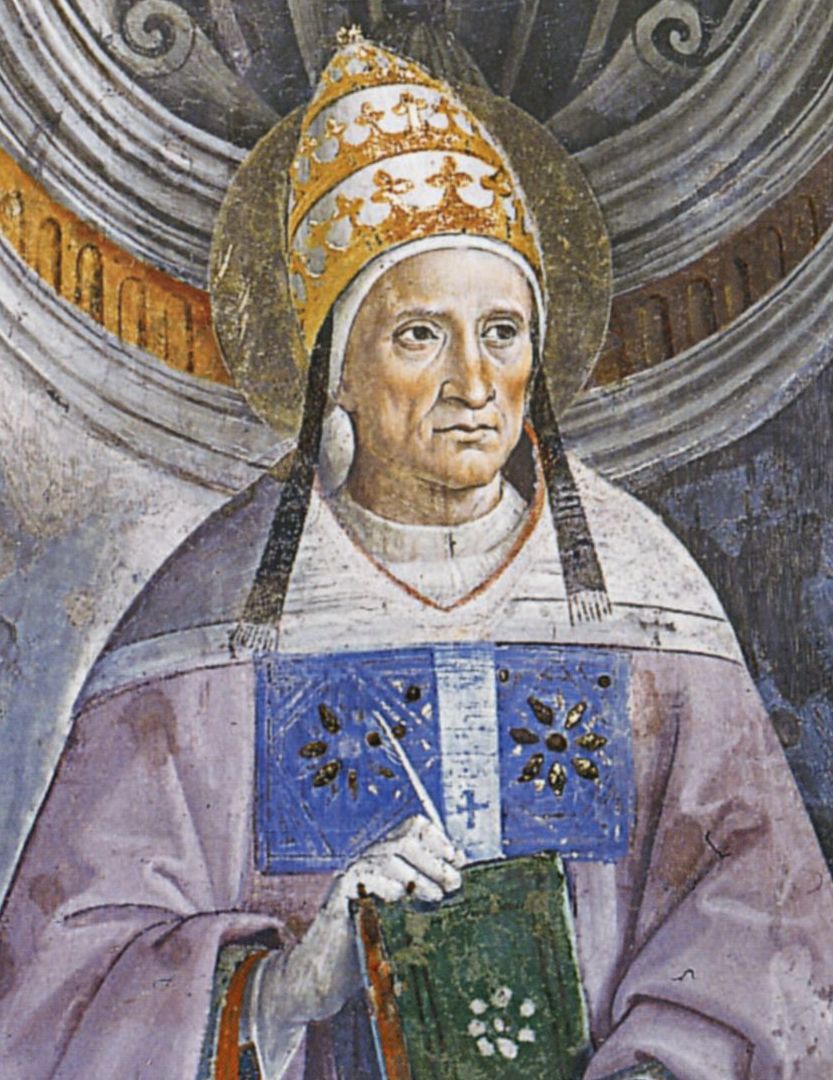
Anterus (Greek Anteros) was elected Bishop of Rome on November 21, 235 — immediately after Pontian's abdication during the Maximinus Thrax persecution. He governed for only forty-three days before his own death on January 3, 236. The brevity of the reign and the persecution context have left almost no contemporary documentation of his pontificate.
The Liber Pontificalis attributes to him the institutional decision of formally preserving the Acts of the martyrs in the Roman papal archive — the foundational moment of the Catholic martyrological-record tradition (which would produce, three centuries later, the early martyrological compilations that culminated in the universal Roman Martyrology). The historical reliability of this 6th-century attribution to a 43-day-pope is questionable but the persistence of the tradition is itself significant.
He was buried in the Crypt of the Popes at the Catacombs of San Callisto — the first pope buried in the new papal-crypt section that his predecessor Pontian had been originally destined for. His tomb inscription — discovered by Giovanni Battista de Rossi in the 19th century — was the first papal tomb-inscription identified in the catacombs and is one of the foundational discoveries of modern Christian archaeology.