
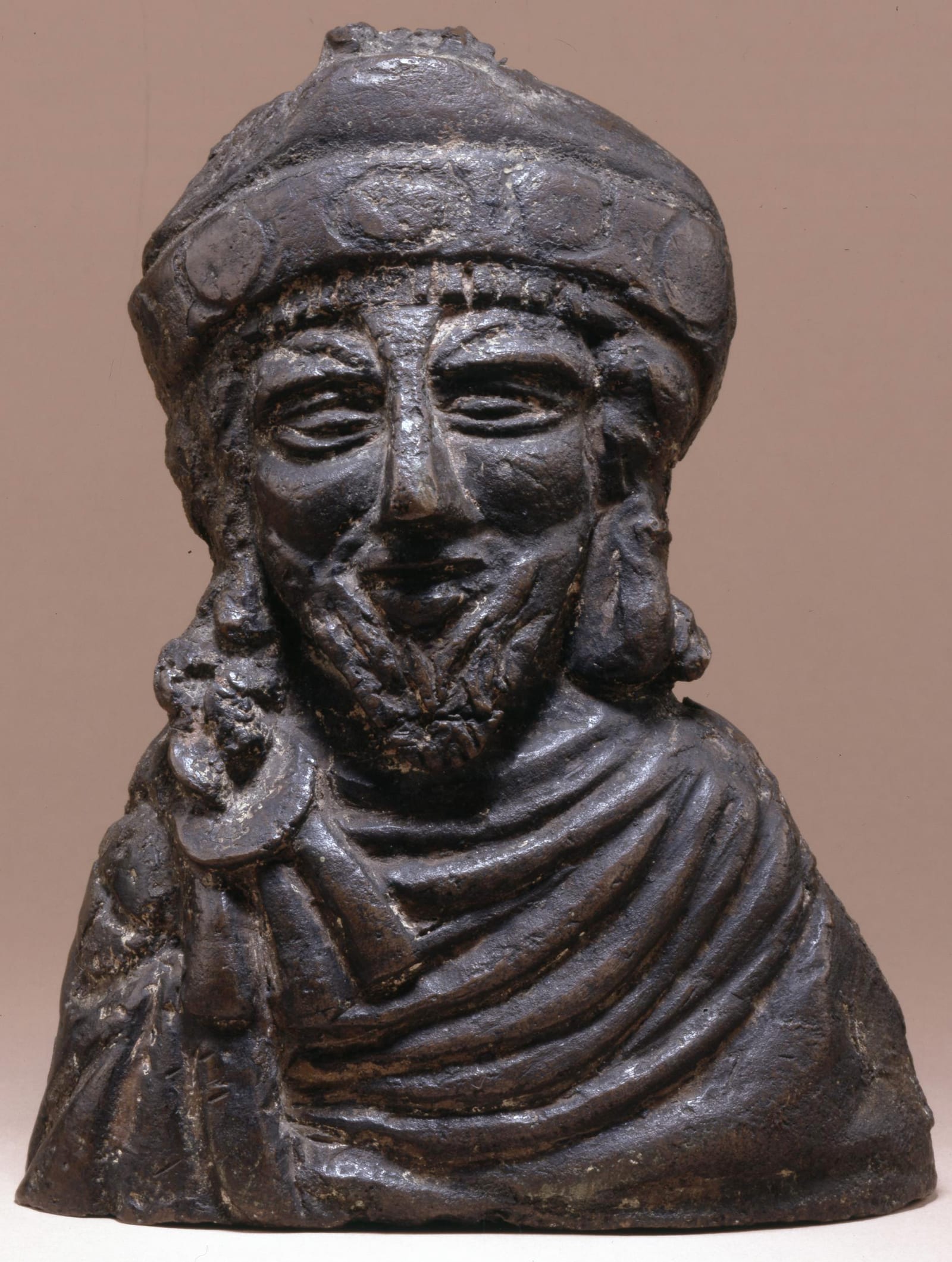
Boniface III (Latin Bonifatius) was elected Bishop of Rome on February 19, 607 — nearly twelve months after the death of Sabinian, an unusual papal vacancy that reflected the substantial post-Gregorian political-ecclesiastical confusion of early-7th-century Rome.
His brief 8-month pontificate is principally significant for one foundational event: in March 607, the Eastern Roman Emperor Phocas (the brutal usurper who had killed his predecessor Maurice in 602) issued an imperial decree formally recognizing the Bishop of Rome as 'Head of all the Churches' (Caput omnium Ecclesiarum) and forbidding the Constantinopolitan patriarchs from using the title 'Ecumenical Patriarch' (the title that had been the source of the substantial controversy under Pope Gregory the Great with the Constantinopolitan Patriarch John IV the Faster — see John the Faster's entry in the 6th-c. supplemental catalogue).
Boniface III had been the principal personal negotiator of the Phocas decree (he had previously served Gregory the Great as papal apocrisiarius at Constantinople and had personal relationships with the Phocan imperial court). The decree was the foundational late-antique imperial recognition of the Roman papal primacy and became the foundational Catholic legal-canonical reference for Roman primacy through the entire medieval period. The political-moral complication — that Phocas was a brutal usurper whose imperial gift was substantially political — has been the subject of subsequent Catholic theological reflection.
Boniface III also held in November 607 a substantial Roman synod that established foundational canonical norms against simoniacal episcopal election practices (the buying and selling of bishoprics for money) and against the lay-political election of bishops without canonical-ecclesiastical participation. He died at Rome on November 12, 607.