
MIRACULOUS MIRACLES™

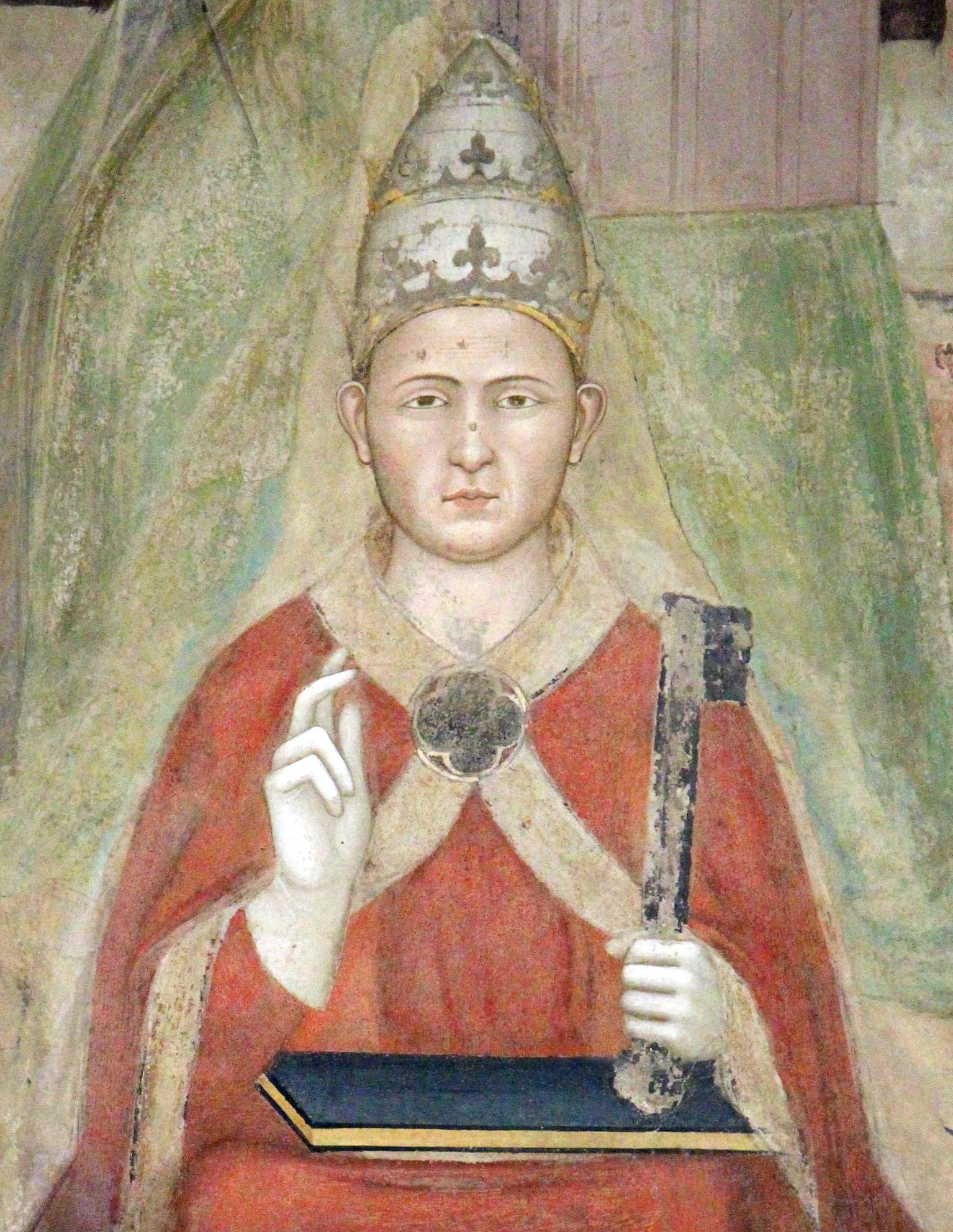
Saint — Pope Clement V

Pope Clement V
1264 AD, Villandraut, Duchy of Gascony (French Gascon family — Raymond Bertrand de Got) — April 20, 1314 AD, Roquemaure, Provence (Avignon papacy)
195th Pope (1305–1314); first Avignon pope; suppressor of the Knights Templar
Church of Notre-Dame d'Uzeste, Gascony, France — his Gothic collegiate church built as his tomb-shrine (funded by his papal fortune); UNESCO-area Gascon Catholic pilgrim destination, France
Feast
April 20 (not on the universal calendar; not formally canonized due to his controversial suppression of the Templars)
Canonized
Not canonized (though not condemned; the suppression of the Templars produced the famous 'Curse of Jacques de Molay' at the stake on March 18, 1314, including Clement V, King Philip IV, and Guillaume de Nogaret in the summons before the Divine Judgment within the year — all three dying within the year, producing the famous medieval legend)
Life

Bertrand de Got was born in 1264 at Villandraut in the Duchy of Gascony to a French Gascon noble family. Educated at the cathedral schools of Toulouse and Bologna, he became Bishop of Comminges (1295) and Archbishop of Bordeaux (1299–1305).

On the death of Pope Benedict XI (July 7, 1304), the conclave at Perugia remained deadlocked for eleven months between the French and Italian factions. On June 5, 1305, the conclave elected Bertrand de Got — a compromise candidate — as Pope, taking the papal name Clement V.

Clement V refused to travel to Rome for his coronation (citing the continuing violence in Rome and the Italian political situation) — instead being crowned at Lyon on November 14, 1305, and establishing the papal court at Avignon in Provence (within the County of the Comtat Venaissin, a papal territory since 1274) in 1309.

The Avignon papacy (1309–1377) — seven successive French popes residing at Avignon rather than at Rome — began with Clement V. The Avignon period produced the institutional-cultural developments of the Avignon papal court, including the construction of the Palais des Papes (the largest Gothic palace in Europe, built 1335–1364) and the elaboration of the papal administrative-bureaucratic apparatus.

Clement V's most controversial institutional act was the suppression of the Knights Templar. Under relentless pressure from King Philip IV the Fair of France (who coveted the Templar wealth and accused the Order of heresy, sodomy, and blasphemy), Clement V initially resisted, then acquiesced, issuing the papal bull 'Vox in Excelso' on March 22, 1312, suppressing the Knights Templar (without formal condemnation of the Order's doctrine, suppressing the Order on grounds of the impossibility of the Order's continuation).

The executions of the Templar leadership — most famously Grand Master Jacques de Molay and Preceptor Geoffroi de Charnay, burned at the stake at the Île aux Juifs in the Seine at Paris on March 18, 1314 — produced the famous legend of the 'Curse of Jacques de Molay': at the stake, Jacques de Molay summoned Pope Clement V, King Philip IV, and Guillaume de Nogaret (the royal chancellor) before the Divine Judgment within the year. Pope Clement V died just one month later on April 20, 1314; King Philip IV died on November 29, 1314; Guillaume de Nogaret died in April 1313 (the year before, though the legend includes him). The three simultaneous deaths within the year produced the famous medieval European Templar-vindication legend.

Clement V also convoked the Council of Vienne (October 1311 – May 1312), the fifteenth ecumenical council, that formally suppressed the Templars and addressed multiple reform questions of the late-medieval Catholic Church.

He died at Roquemaure in Provence on April 20, 1314, and was buried at his collegiate church at Uzeste in Gascony.

Miracles & Phenomena
  • The Avignon papacy (1309–1377)

    Clement V's establishment of the papal court at Avignon in 1309 — the institutional origin of the Avignon papacy — produced the seven-decade Avignon period (1309–1377) that would institutionally shape the late-medieval Catholic Church. The Avignon period produced the construction of the Palais des Papes (the largest Gothic palace in Europe, UNESCO World Heritage Site since 1995) and the elaboration of the papal administrative-bureaucratic apparatus that would shape the Catholic ecclesiastical institutional development.

  • The suppression of the Knights Templar (1312) and the 'Curse of Jacques de Molay'

    Clement V's suppression of the Knights Templar by the papal bull 'Vox in Excelso' of March 22, 1312 — and the execution of Grand Master Jacques de Molay at the stake at Paris on March 18, 1314, with the famous 'Curse of Jacques de Molay' summoning Clement V, Philip IV, and Nogaret before the Divine Judgment within the year — produced the most famous medieval Catholic ecclesiastical-royal confrontation. The three simultaneous deaths within the year (Clement V on April 20, 1314; Philip IV on November 29, 1314) produced the famous medieval European Templar-vindication legend that would extend through the late-medieval and modern European cultural imagination.

Relics
  • Body
    Tomb of Pope Clement V
    Church of Notre-Dame d'Uzeste, Gascony, France — his Gothic collegiate church built as his tomb-shrine (funded by his papal fortune)

    His tomb at the Church of Notre-Dame d'Uzeste in Gascony survives in the Gothic collegiate church (funded by his papal fortune) in continuous Catholic liturgical use.

Iconography
  • Clement V suppressing the Templars

    The early-14th-century Gascon-French Roman pope in papal vestments at the Council of Vienne on March 22, 1312 promulgating the papal bull 'Vox in Excelso' suppressing the Knights Templar, the French King Philip IV beside him — the iconography of Catholic Avignon-papal Templar-suppression tradition.

Patronages
The Avignon papacy tradition (first Avignon pope; institutional origin of the 1309–1377 Avignon period)Villandraut and the Gascon Catholic tradition