
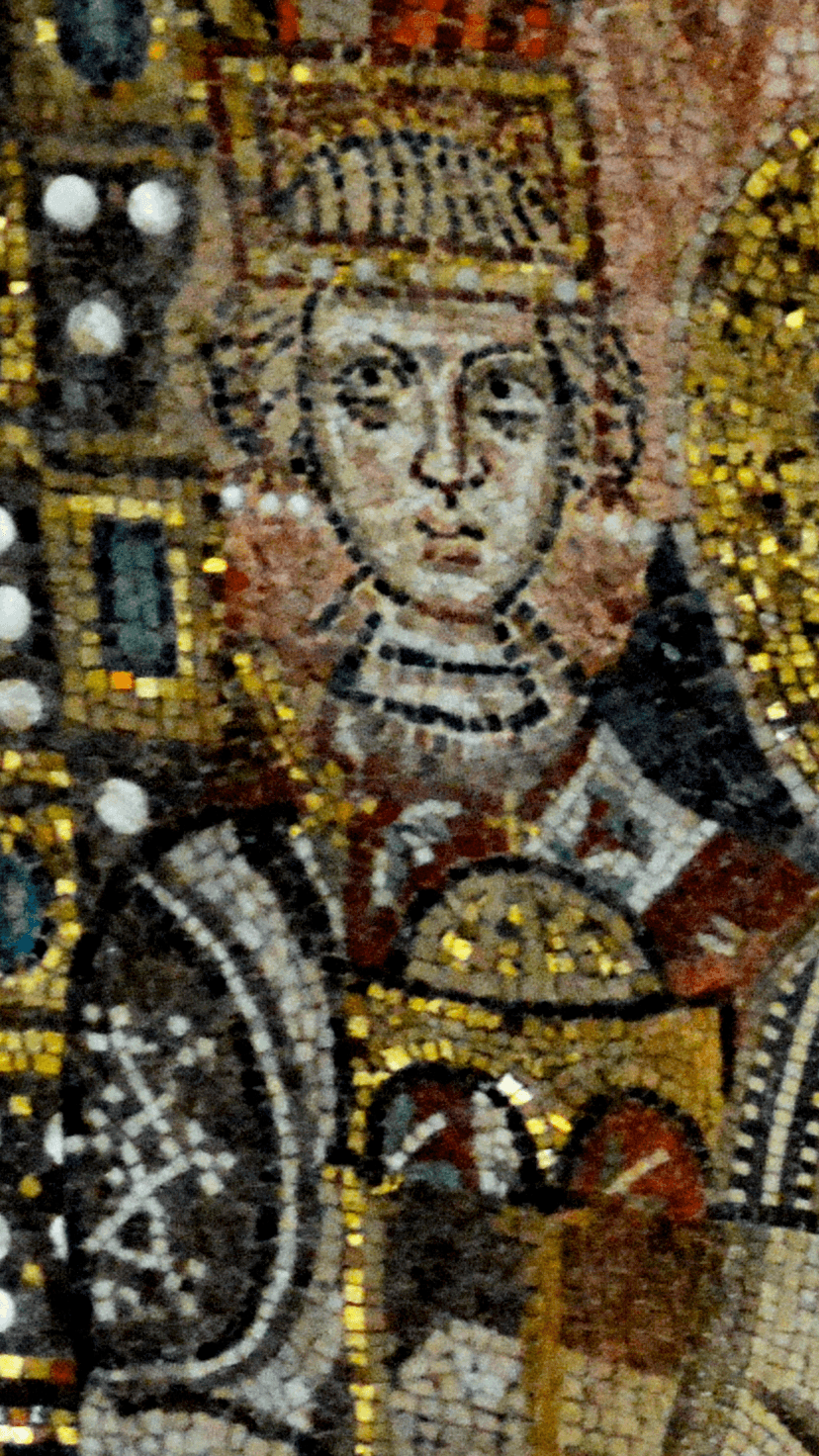
Constantine was the last of the great Greek-Syrian popes of the 'Byzantine papacy' period. Consecrated on March 25, 708, he immediately faced the renewed Monothelite controversy stirred by the renegade Bishop Felix of Ravenna and the unresolved canons of the Council of Trullo from his predecessors' time.
In October 710, at the imperial summons of Justinian II, Constantine made the dangerous journey to Constantinople — the last reigning pope to visit the Eastern capital until Paul VI met Athenagoras of Constantinople in 1967, a thirteen-century gap. Justinian, restored to the Byzantine throne in 705, prostrated himself before Constantine at Nicomedia, kissed the papal feet, and received the Eucharist from the pope's hand. The two leaders reached a compromise on the Trullan canons (Constantine accepting some, rejecting others), and Constantine returned to Rome in October 711 to immense popular acclaim.
But within weeks of his return, Justinian II was assassinated in a palace coup; the new emperor Philippicus Bardanes was a partisan of Monothelitism and demanded papal endorsement. Constantine convened a Roman synod that condemned Philippicus's Monothelite faith outright, ordered the imperial portrait struck from Roman coinage and his name removed from the Roman liturgical diptychs — the first instance of papal refusal of an imperial ecumenical-doctrinal claim, foreshadowing the iconoclast crisis and the eventual Carolingian alliance.
Constantine died on April 9, 715, and was buried in St. Peter's. The Syrian-Greek papal succession would end with his immediate successors; the iconoclast crisis would within fifteen years drive the papacy decisively away from Byzantium and toward the Frankish Carolingians.