
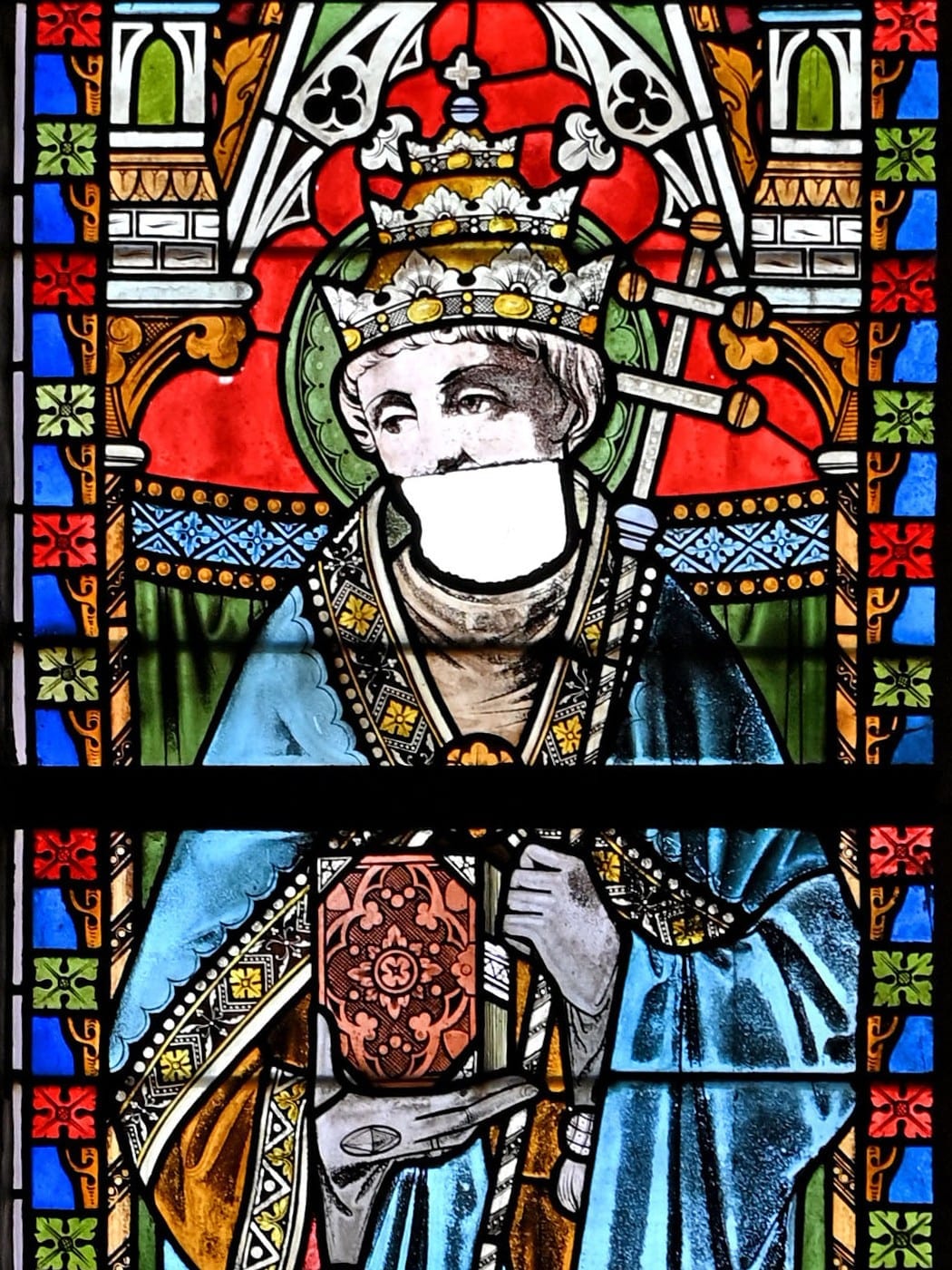
Eugene I (Latin Eugenius) was elected Bishop of Rome on August 10, 654 — under unusual circumstances: his predecessor Pope Martin I (see Martin I's entry already in the catalogue) had been arrested by the Byzantine Emperor Constans II on June 17, 653, for his substantial Roman-papal opposition to the Imperial Monothelite policy, and was at the time of Eugene's election being held in substantial detention at Constantinople (Martin I would be exiled to Crimea and would die there in September 655).
The substantially complex canonical situation — Pope Martin I still legally pope but unable to govern — required the Roman Catholic Church to elect a new pope while Martin was still alive. Eugene I — substantially personally devoted to Martin — was elected with substantial reluctance to accept the office under those circumstances. After Martin's death in September 655, Eugene's election was canonically uncomplicated.
His brief three-year pontificate (654–657) continued the foundational Western-Catholic opposition to the Byzantine Imperial Monothelite policy that Martin I had so substantially defended. Eugene I refused to accept the substantial pressure of the Imperial Byzantine court at Constantinople to compromise on the Monothelite-Dyothelite Christological question. He died at Rome on June 2, 657 AD — substantially before the foundational resolution of the controversy at the Lateran Council of 649 (already held) and the Third Council of Constantinople of 681 (still to come).