
MIRACULOUS MIRACLES™

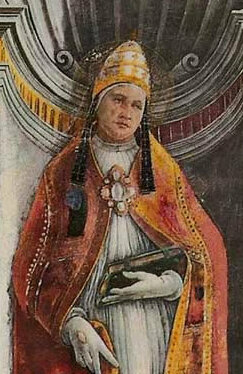
Saint — Pope St. Evaristus

Pope St. Evaristus
c. 60 AD, Greek (according to the Liber Pontificalis, of Bethlehemite-Jewish origin) — c. 108 AD, Rome
Fifth Successor of Peter — Pope (c. 99–c. 108)
St. Peter's Basilica, Vatican — tomb among the early Roman Popes, Vatican City
♕ The 5th Bishop of RomeReign: c. 99 — c. 108
Feast
October 26
✠ MartyrTraditionally martyred at Rome, c. 108; specific circumstances unrecorded → The Martyrs
Life

Evaristus succeeded Clement I as Bishop of Rome around AD 99 and governed the small Roman Christian community during the difficult final years of Trajan's reign. The Liber Pontificalis (the early-medieval book of papal biographies) attributes to him the institutional structural decision of dividing the city of Rome into territorial parishes assigned to specific presbyters — the foundational moment of the Catholic territorial parish system, though the historical reliability of this 6th-century source for the late 1st-century papal administration is debated.

He is traditionally identified as a martyr — the early papal lists include him in the cluster of early popes presumed to have died as martyrs during the Trajanic and Hadrianic period, though the specific circumstances of his death are not recorded by contemporary sources. He is buried near the tomb of St. Peter at the Vatican.

Relics
  • Body
    Tomb of Pope St. Evaristus
    St. Peter's Basilica, Vatican — among the early Roman Popes

    Buried near the tomb of St. Peter at the Vatican Necropolis; the specific tomb location was lost in the medieval rebuilding of Old St. Peter's.

Iconography
  • Evaristus dividing Rome into parishes

    The early Roman pope in toga and small Roman-era episcopal mantle dividing a small map of imperial Rome into seven territorial parishes — the iconographic emblem of the foundational Catholic territorial-parish system.

Patronages
The early Roman Christian communityBethlehem and the Hebrew-Christian tradition of the Apostolic Age