
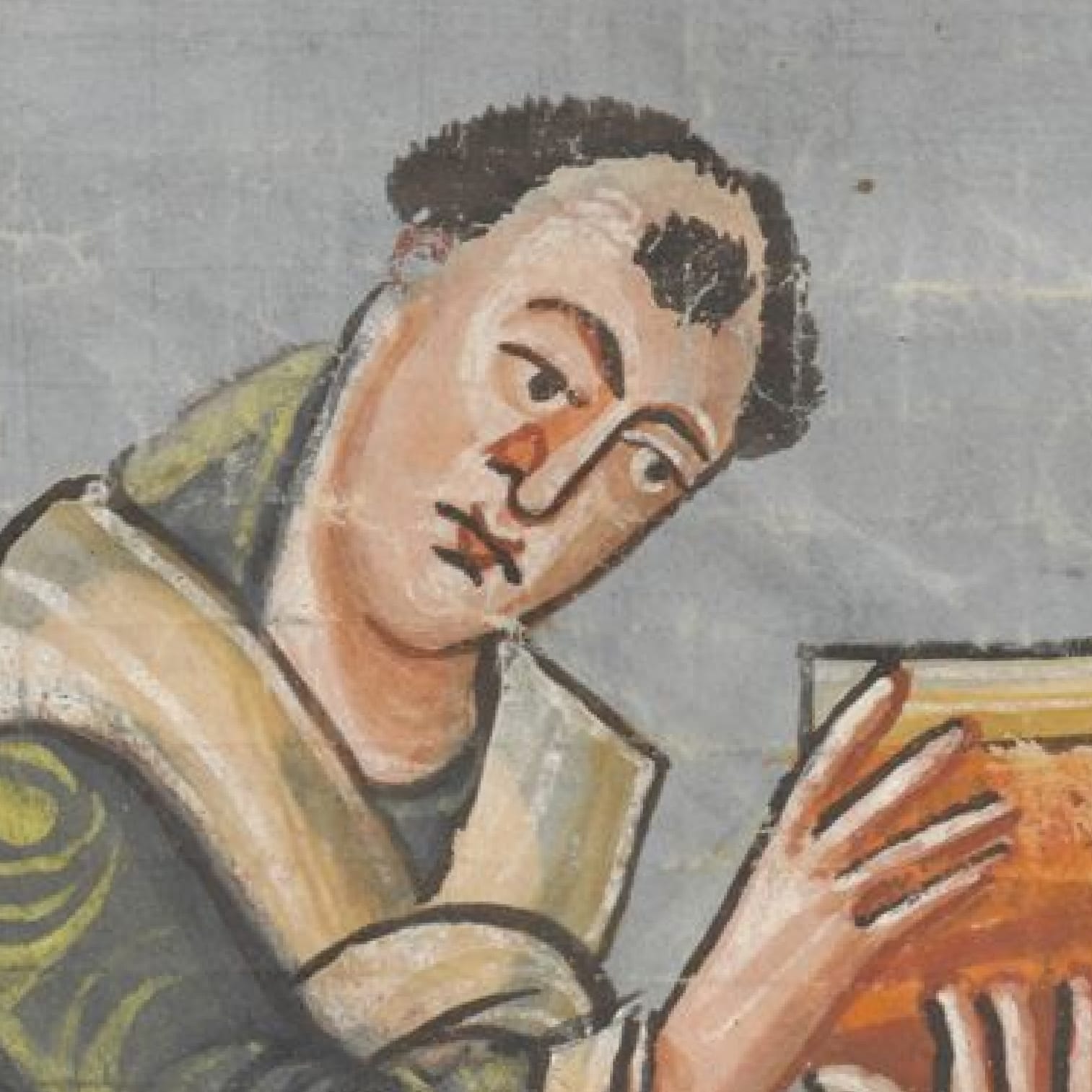
Gregory IV was elected on December 20, 827, after the brief pontificate of Valentine (just over five weeks). His seventeen-year pontificate spans the late-Carolingian-imperial crisis — the breakdown of the Carolingian empire into the kingdoms of West Francia, East Francia, and Lotharingia.
He is remembered in the universal Catholic liturgy for institutionally extending the feast of All Saints to November 1 for the universal Latin Catholic Church (the date had been observed at Rome by Gregory III in 731 for his oratory at St. Peter's; Gregory IV in 835 obtained from Emperor Louis the Pious the decree extending the November 1 date as a universal solemnity across the Frankish empire). The November 1 date remains the universal Catholic All Saints' Day to the present, and the entire institutional structure of Hallowe'en (October 31, All Hallows' Eve) and All Souls' Day (November 2) is the Gregory IV institutional architecture.
In the great civil war of 833 between Louis the Pious and his sons, Gregory IV travelled in person to the Carolingian rebellion at the Field of Lies (June 833) — the unprecedented papal personal presence in Frankish dynastic politics. Though his diplomatic mission to reconcile the imperial family failed (Louis the Pious was forced to public penance at Soissons), the precedent of papal personal intervention in Carolingian political-dynastic conflict established a late-medieval pattern.
He extensively rebuilt the Basilica of San Marco in Rome (his original titular church before his elevation) and the great Basilica of Santa Maria in Trastevere — both surviving to the present in much-modified form. He died on January 25, 844; his successor Sergius II would inherit the Saracen raids on Rome that would precipitate Pope Leo IV's defence of the city.