
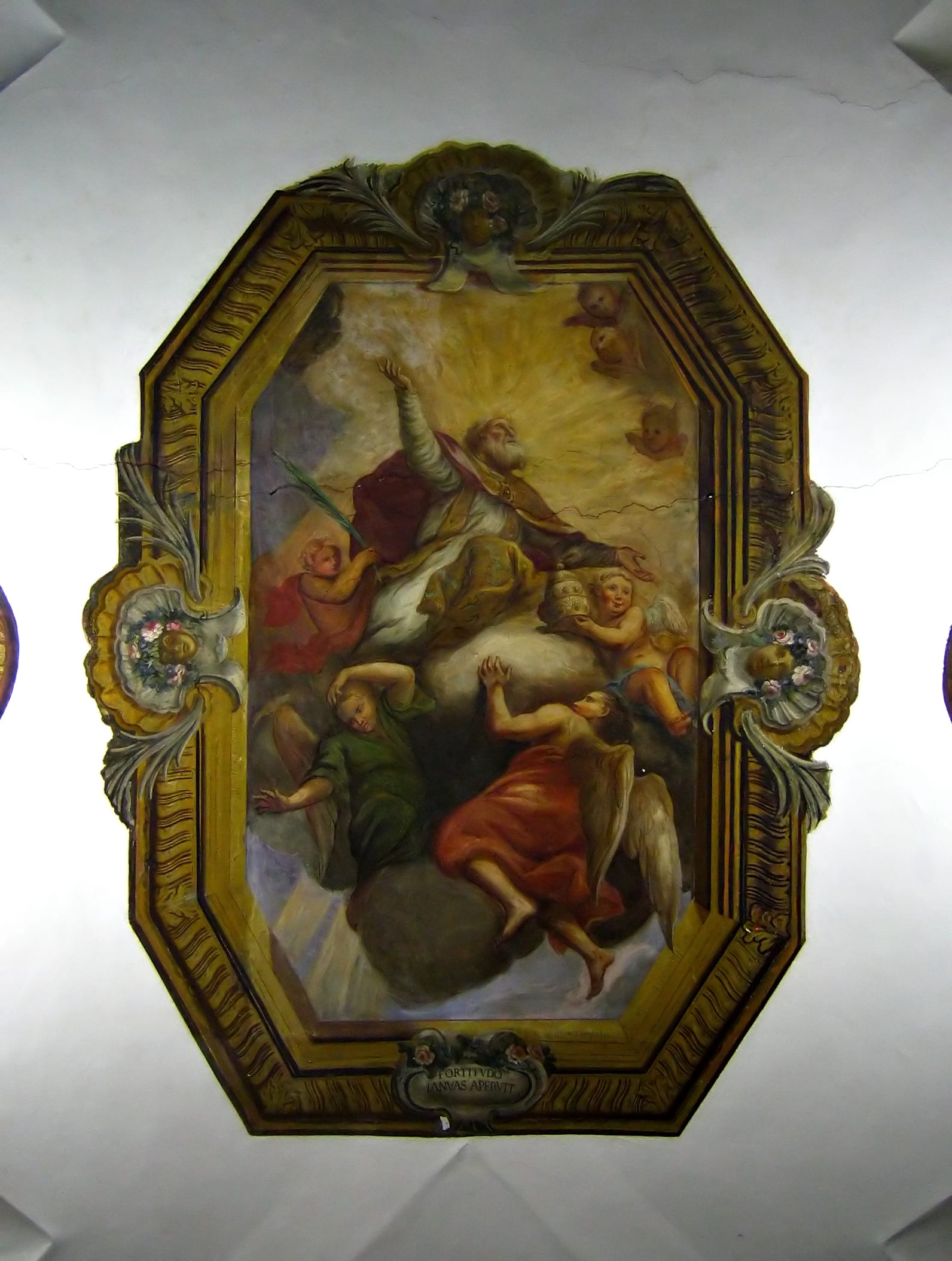
Marcellus I was elected Bishop of Rome around May 308 — after the see had been vacant for nearly four years following the death of Marcellinus in 304 (the Great Persecution had made systematic Roman papal elections impossible). His brief pontificate was almost entirely devoted to the crisis of the lapsi: the substantial Roman Christian population who had performed pagan sacrifice during the persecution and now wished to return to communion with the Catholic Church.
Marcellus took a strict position on the requirements of public penance for reconciliation — refusing readmission to communion without prolonged formal public penance. The position provoked a major schism in the Roman Christian community, with the lax faction (which favoured easier reconciliation) rioting in the city against him. The disorders were so severe that the Emperor Maxentius — using the disorder as a pretext — exiled Marcellus from Rome and condemned him to care for the imperial post-stables on the outskirts of the city.
He died in the post-stable conditions on January 16, 309, having governed the Roman Church for some seven months and having established the foundational pattern of post-persecution Catholic public penance. His body was eventually buried in the catacombs along the Via Salaria; the Roman church of San Marcello al Corso (today one of the most-visited Roman churches, with the famous miraculous crucifix of 1519 — the Crocifisso di San Marcello — that was processed by Pope Francis in St. Peter's Square during the COVID-19 pandemic on March 27, 2020) preserves the foundational cult and the post-medieval relic-tradition.