
MIRACULOUS MIRACLES™

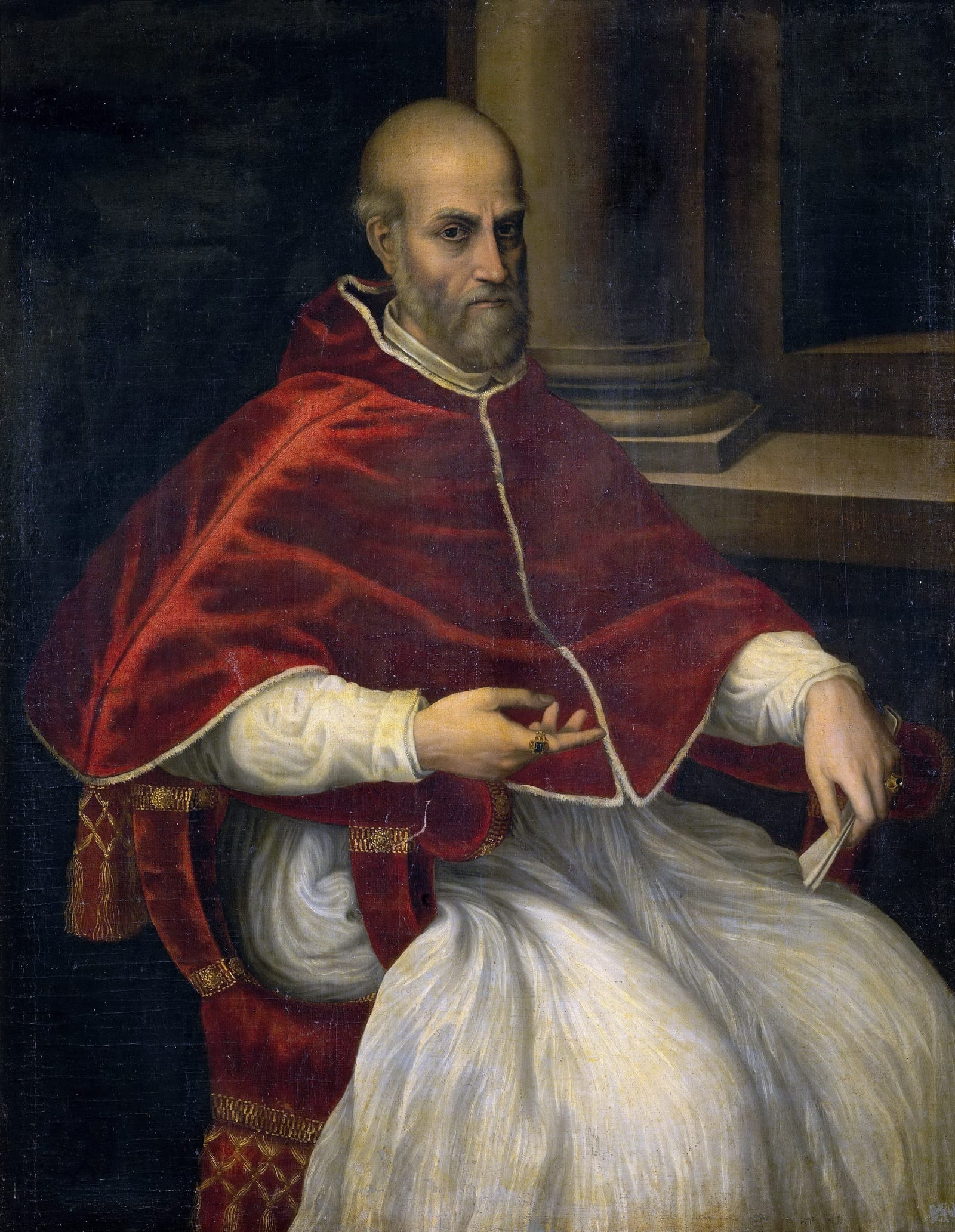
Saint — Pope Marcellus II

Pope Marcellus II
May 6, 1501 AD, Montepulciano, Tuscany (Marcello Cervini) — May 1, 1555 AD, Rome
222nd Pope (April 9 – May 1, 1555); 22-day reforming pontiff; subject of Palestrina's Missa Papae Marcelli
St. Peter's Basilica, Vatican City — his tomb, Vatican City
Feast
May 1 (not on universal calendar)
Canonized
Not canonized
Life

Marcello Cervini was born on May 6, 1501 at Montepulciano to the noble Cervini family. A learned humanist and papal secretary, Cervini served as papal legate at the opening of the Council of Trent (1545–1547) — one of the three papal legates at the Council's first session.

Elected Pope on April 9, 1555, taking the name Marcellus II (retaining his baptismal name — the last pope to do so until Pope Francis 2013–), Marcellus II intended a systematic reform of the papal court and the Catholic hierarchy.

But his reforming pontificate lasted only 22 days — he died at Rome on May 1, 1555 of a stroke, without being able to implement his reforming vision.

Marcellus II's most enduring legacy is the Missa Papae Marcelli ('Mass for Pope Marcellus') — composed by Giovanni Pierluigi da Palestrina (c. 1525–1594, father of the Catholic polyphonic sacred music tradition) around 1562, in honor of Marcellus II. The Missa Papae Marcelli — one of the most famous Renaissance polyphonic Masses — became the classical example of the Tridentine sacred music tradition, establishing the specifically Tridentine principle of intelligible-liturgical polyphonic composition.

Miracles & Phenomena
  • The Missa Papae Marcelli

    Pope Marcellus II's institutional legacy is the Missa Papae Marcelli by Giovanni Pierluigi da Palestrina — composed around 1562 in honor of Marcellus II, one of the most famous Renaissance polyphonic Masses. The Missa Papae Marcelli became the classical example of the Tridentine sacred music tradition — establishing the specifically Tridentine principle of intelligible-liturgical polyphonic composition that would shape the Catholic sacred music tradition to the present day.

Relics
  • Body
    Tomb of Pope Marcellus II
    St. Peter's Basilica, Vatican City

    Buried at St. Peter's Basilica.

Iconography
  • Marcellus II reforming the papal court

    The mid-16th-century reforming Roman pope in papal vestments — the iconography of Catholic short-reforming-pontiff tradition.

Patronages
The Catholic Reform traditionThe Catholic sacred music tradition (subject of Palestrina's Missa Papae Marcelli)