
MIRACULOUS MIRACLES™

Saint — Pope Pius IV

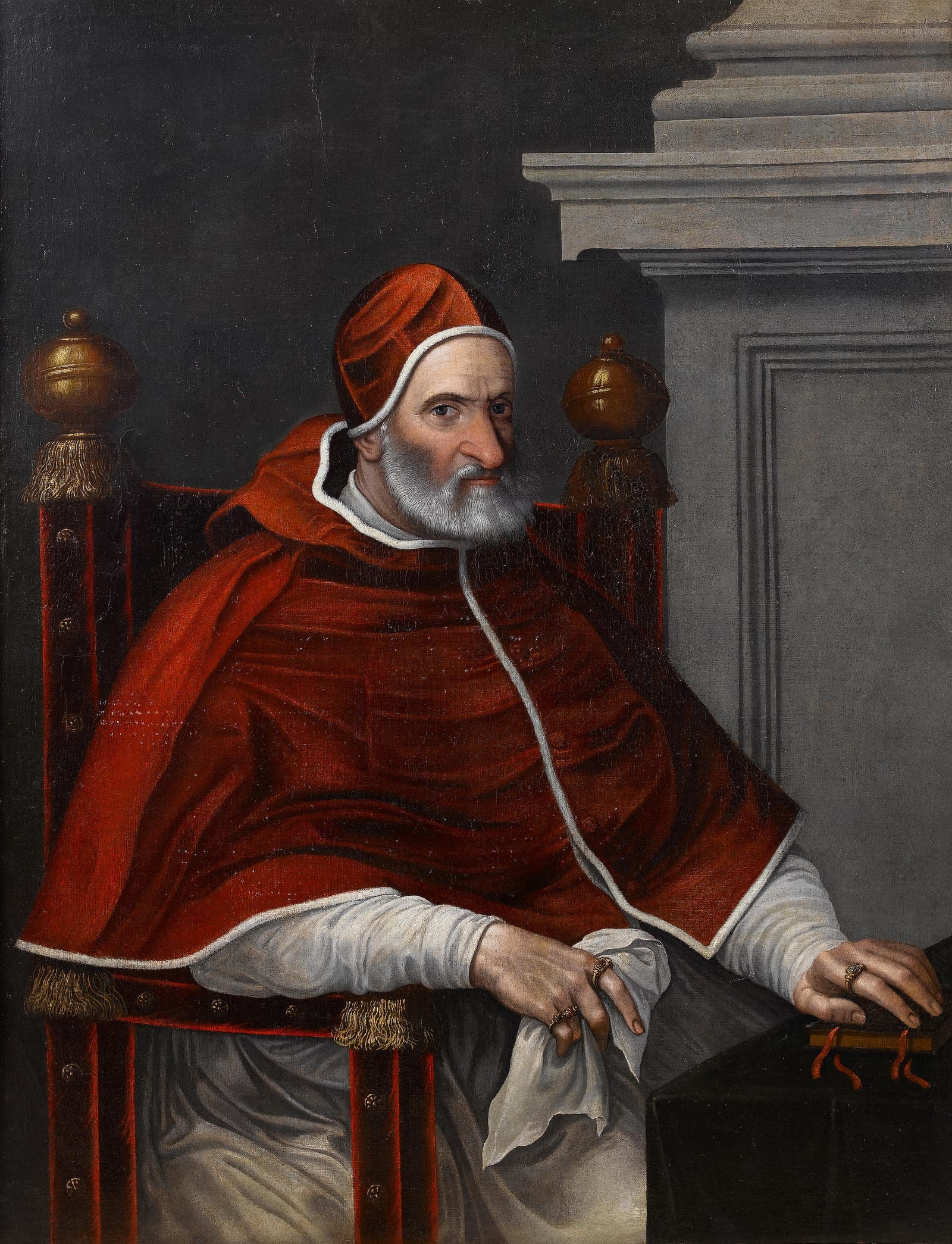
Pope Pius IV
March 31, 1499 AD, Milan, Duchy of Milan (Giovanni Angelo Medici) — December 9, 1565 AD, Rome
224th Pope (1559–1565); completer of the Council of Trent (1563)
Basilica of Santa Maria degli Angeli e dei Martiri, Rome — his tomb; the basilica converted from the Roman Baths of Diocletian by Michelangelo under Pius IV's patronage, Italy
Feast
December 9 (not on universal calendar)
Canonized
Not canonized
Life

Giovanni Angelo Medici was born on March 31, 1499 at Milan to the noble Milanese Medici di Marignano family (not related to the famous Florentine Medici). Elected Pope on December 25, 1559 after a four-month conclave, taking the name Pius IV, his six-year pontificate completed the Council of Trent and institutionally established the post-Tridentine Catholic Church.

Pius IV reopened the Council of Trent on January 18, 1562 — the Council's third session (1562–1563). The Council addressed the remaining doctrinal-and-disciplinary questions and concluded on December 4, 1563 — after 18 years of intermittent sessions.

The Tridentine decrees were solemnly confirmed by Pius IV's bull *Benedictus Deus* on January 26, 1564.

Pius IV issued the Tridentine Profession of Faith on November 13, 1564 (the standard Catholic-confessional formula for reception into the Catholic Church), the Index of Prohibited Books (Tridentine Index, 1564), and founded the Roman Catechism (the Catechism of the Council of Trent, published 1566 under Pius V).

He commissioned Michelangelo to convert the Roman Baths of Diocletian into the Basilica of Santa Maria degli Angeli e dei Martiri (1561), where Pius IV himself was buried.

He personally appointed his nephew St. Charles Borromeo (see his existing entry) as Cardinal and Archbishop of Milan — producing the institutional relationship between the Tridentine papacy and the Borromean-Milanese Catholic Reform.

He died at Rome on December 9, 1565.

Miracles & Phenomena
  • The completion of the Council of Trent (December 4, 1563)

    Pope Pius IV's reopening of the Council of Trent on January 18, 1562 — and the conclusion of the Council on December 4, 1563 — institutionally completed the Council of Trent (1545–1563), the principal institutional response to the Protestant Reformation. The Tridentine decrees, solemnly confirmed by Pius IV's bull Benedictus Deus on January 26, 1564, shaped the 400+ years of the Catholic Church to the Second Vatican Council (1962–1965) and beyond.

  • The Tridentine institutional apparatus

    Pius IV's institutional consolidation — the Tridentine Profession of Faith (1564), the Tridentine Index of Prohibited Books (1564), the Roman Catechism (published 1566), the appointment of St. Charles Borromeo — instituted the Tridentine institutional apparatus that would shape the Catholic Church for the four centuries.

Relics
  • Body
    Tomb of Pope Pius IV
    Basilica of Santa Maria degli Angeli e dei Martiri, Rome — the basilica converted from the Roman Baths of Diocletian by Michelangelo under Pius IV's patronage

    His tomb at the Basilica of Santa Maria degli Angeli e dei Martiri survives in continuous Catholic liturgical use.

Iconography
  • Pius IV concluding the Council of Trent

    The mid-16th-century Milanese Roman pope in papal vestments at the Council of Trent on December 4, 1563 concluding the Council, the assembled Tridentine bishops below him — the iconography of Catholic Tridentine tradition.

Patronages
The Council of Trent completion tradition (the conclusion of Trent on December 4, 1563)Rome and the post-Tridentine Roman ecclesiastical tradition