
MIRACULOUS MIRACLES™

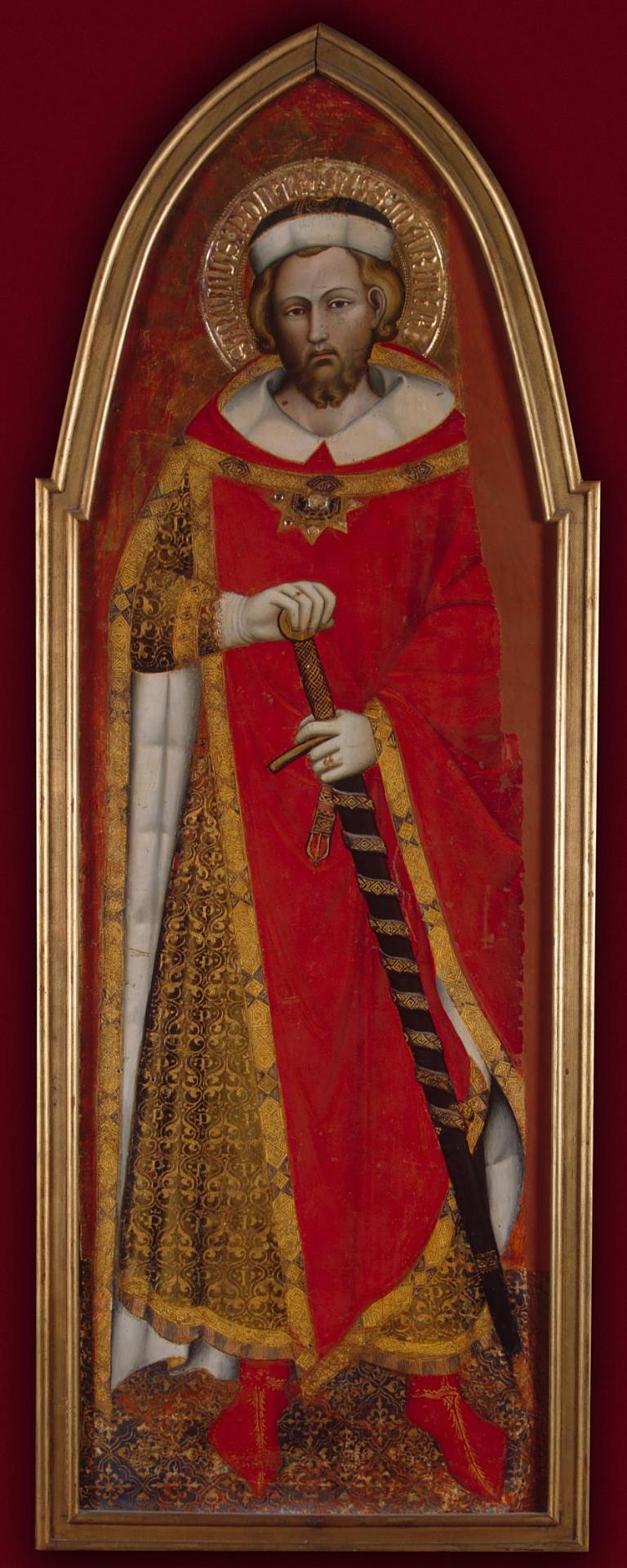
Saint — Pope St. Pontian

Pope St. Pontian
Late 2nd century, Rome — c. October 235 AD, Sardinia (mines of Sardinia)
Eighteenth Successor of Peter — Pope (230–235) — First Pope to Abdicate
Catacombs of San Callisto, Via Appia, Rome — Crypt of the Popes, Italy
♕ The 18th Bishop of RomeReign: July 21, 230 — September 28, 235 (first papal abdication in history)
Feast
August 13 (jointly with Hippolytus, with whom he was reconciled in Sardinian exile)
Life

Pontian succeeded Urban I as Bishop of Rome in 230 and governed for five years through the brief reign of Alexander Severus and the beginning of the Maximinus Thrax persecution of 235. His pontificate is principally significant for two unprecedented events.

First: Pontian was arrested in early 235 — along with the rival antipope Hippolytus, who had headed a schism against the Roman papacy since the reign of Callixtus I (217–222) — and both were sentenced by Maximinus Thrax to deportation to the lead-mines of Sardinia (the standard Roman judicial sentence ad metalla for socially-prominent capital convicts, intended as a slow execution-by-labour in the lethal Sardinian mining environment). On September 28, 235 — during the journey to Sardinia — Pontian formally renounced the papacy in order to allow the Roman community to elect a new bishop and to prevent the church from being left without effective governance during his coming death. This is the first formally documented papal abdication in church history, a thousand years before the more famous abdications of Celestine V (1294) and Benedict XVI (2013).

Second: in the Sardinian mines, Pontian and the antipope Hippolytus reconciled — Hippolytus formally ending the schism and rejoining the Roman Catholic community. Both died in Sardinia within months of each other (Pontian by mistreatment, Hippolytus probably similar). The bodies were returned to Rome by Pope Fabian (Pontian's successor) in 236, and the two were buried together. Their joint feast on August 13 commemorates their reconciliation in exile.

Miracles & Phenomena
  • Reconciliation with the antipope Hippolytus

    Pontian's reconciliation with the antipope Hippolytus in the Sardinian lead mines — ending a schism that had divided the Roman Christian community for nearly two decades — is the foundational early Church example of episcopal reconciliation between schismatics; their joint feast on August 13 commemorates the reunion in exile.

Relics
  • Body
    Tomb of Pope St. Pontian
    Catacombs of San Callisto, Via Appia, Rome — Crypt of the Popes

    His body was returned from Sardinia to Rome by Pope Fabian in 236 and buried in the Crypt of the Popes at the Catacombs of San Callisto; his inscription — discovered by the 19th-century archaeologist Giovanni Battista de Rossi — survives in the catacomb.

Iconography
  • Pontian and Hippolytus reconciled in Sardinia

    The Roman pope and the former antipope embracing in the lead mines of Sardinia, the chains of their sentence visible — the iconography of foundational ecclesial reconciliation.

Patronages
Diocese of RomeReconciliation between schismatics and the ChurchCatholic political prisoners and exiles