
MIRACULOUS MIRACLES™

Saint — Pope Sergius II

Pope Sergius II
c. 790 AD, Rome (Roman aristocratic family) — January 27, 847 AD, Rome
102nd Pope (844–847); the Saracen sack of Rome 846
St. Peter's Basilica, Rome — tomb in the Vatican grottoes; the Basilica of San Silvestro al Quirinale (rebuilt by Sergius II), Vatican City
Feast
January 27 (local Roman cult)
Canonized
Pre-congregation (venerated locally)
Life

Sergius II was elected on January 25, 844, after the death of Gregory IV — though the popular Roman faction had elected a candidate named John, and the Roman aristocratic-clergy faction had to enthrone Sergius forcibly to prevent the popular candidate from prevailing. The contested election prompted Emperor Lothair I to send his son Louis II to Rome to enforce the Carolingian principle that no pope might be consecrated without imperial confirmation.

Sergius's pontificate is principally remembered for the catastrophic Saracen sack of Rome on August 23–26, 846 — when a Muslim fleet of approximately seventy-five ships sailed up the Tiber, sacked the extramural basilicas of St. Peter and St. Paul Outside the Walls, and looted the tombs of the apostles before being repulsed at the gates of the Aurelian walls.

The Saracen sack — the only successful foreign assault on the tombs of the apostles in the entire Christian history of Rome before the modern era — was the catastrophic event of the 9th-century Catholic Mediterranean crisis, prompting the construction of the Leonine Wall under Sergius's successor Pope Leo IV to enclose the Vatican.

Sergius II died on January 27, 847, leaving the defensive reconstruction of Rome to his successor Leo IV. The papal humiliation of the Saracen sack of the apostolic tombs would shape the Catholic understanding of Christian-Islamic confrontation for the next century.

Miracles & Phenomena
  • The survival of the city wall against the Saracens

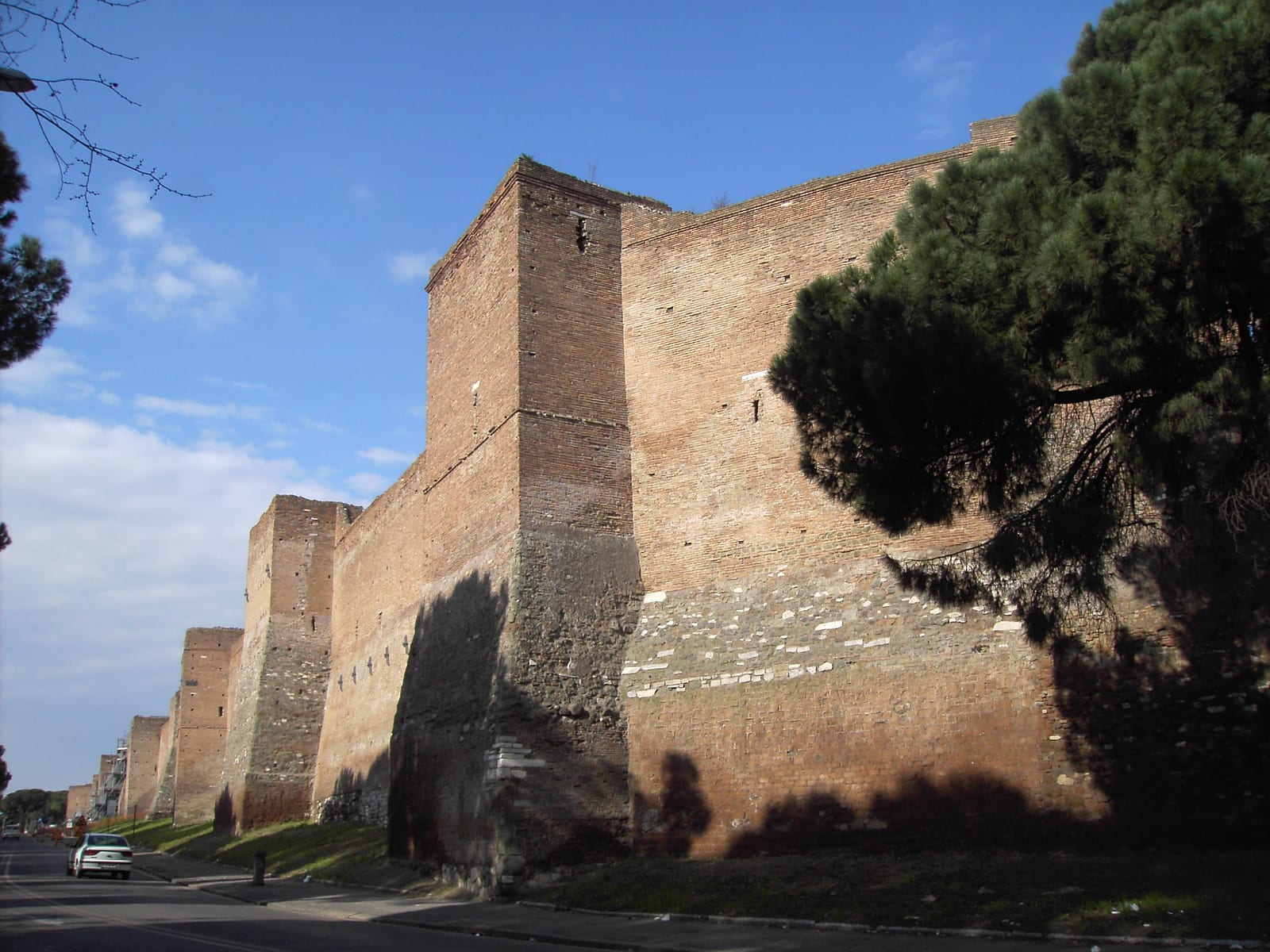
    Though the Saracen fleet of August 846 sacked the extramural basilicas of St. Peter and St. Paul (the sites of the apostolic tombs), the Aurelian wall of the city of Rome held against the Saracen assault — the defensive containment of the Saracen sack to the extramural Vatican area. The miraculous survival of the walled city of Rome itself, against a Muslim fleet that had taken Sicily and was attempting the conquest of central Italy, was interpreted by contemporaries as the divine protection of the city of the apostles.

Relics
  • Body
    Tomb of Pope Sergius II
    Vatican grottoes, St. Peter's Basilica, Rome

    Buried in St. Peter's; remains in the Vatican necropolis.

Iconography
  • Sergius II during the Saracen sack of 846

    The mid-9th-century Roman pope in papal vestments at the Aurelian wall of Rome during the Saracen sack of August 846, the extramural basilica of St. Peter visible in the distance under Saracen attack — the iconography of Catholic Roman-Mediterranean Saracen crisis.

Patronages
Catholic Carolingian-papal alliance traditionCatholic Rome during the Saracen threat