
Sisinnius was another of the Syrian-born popes of the late 7th and early 8th century, his family among the Antiochene Christians who had fled the Islamic conquests. Consecrated on January 15, 708, after a three-month interregnum following the death of John VII, he reigned only twenty days before dying on February 4, 708.
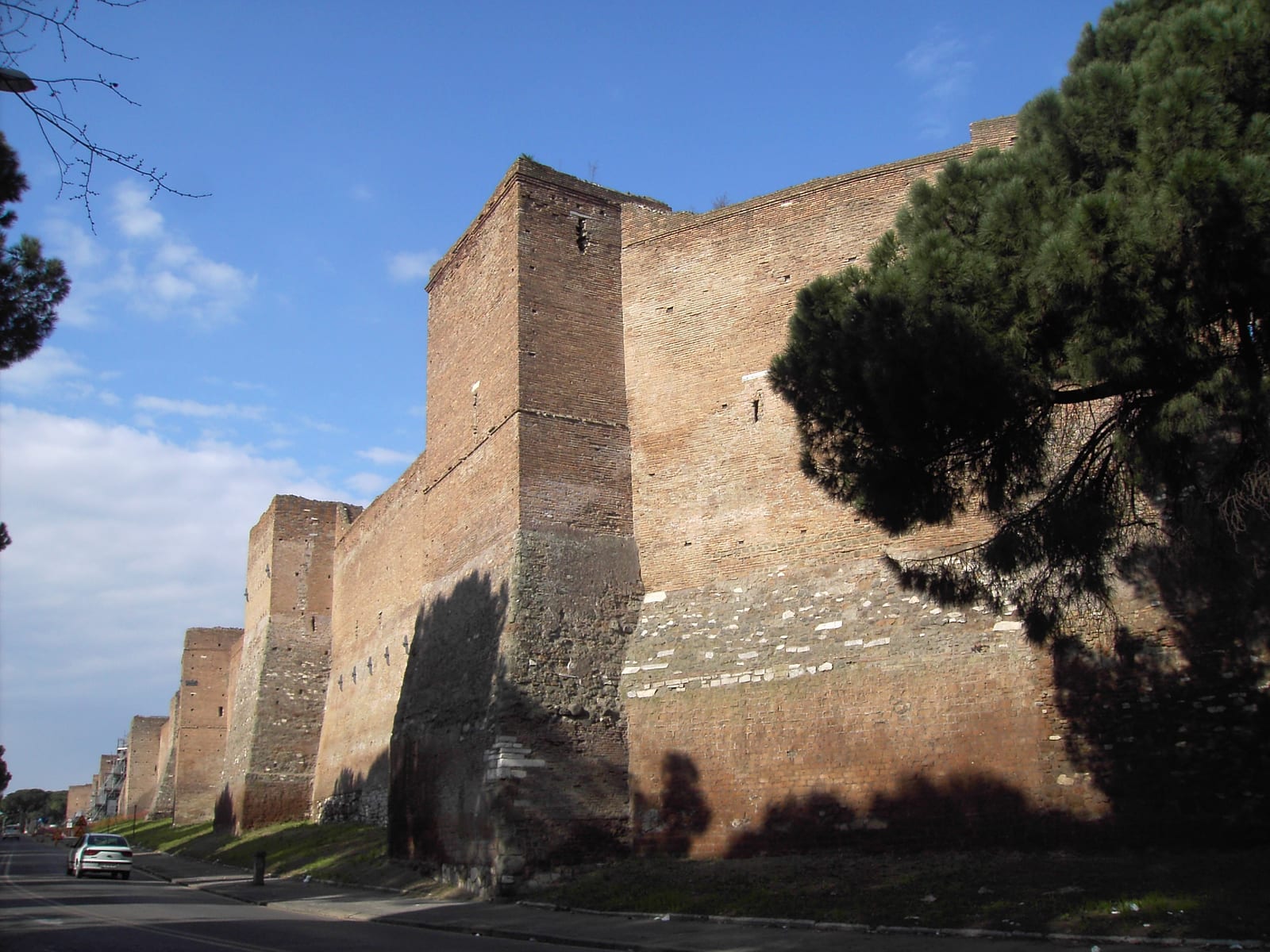
Despite the brevity of his pontificate — among the shortest in papal history — Sisinnius is remembered for two acts: he ordered the burning of lime for the restoration of the walls of Rome (anticipating the Lombard threat that would dominate his successors' pontificates), and he consecrated a single bishop, recorded by the Liber Pontificalis.
He was already gravely ill at his consecration — so afflicted with gout that he could not feed himself — and was carried in procession to St. Peter's. He died in the Lateran without recovering, and was buried in St. Peter's. His short pontificate is a window onto the institutional fragility of the early 8th-century papacy: even a 20-day pope undertook the foundational defensive infrastructure that shaped the next century.