
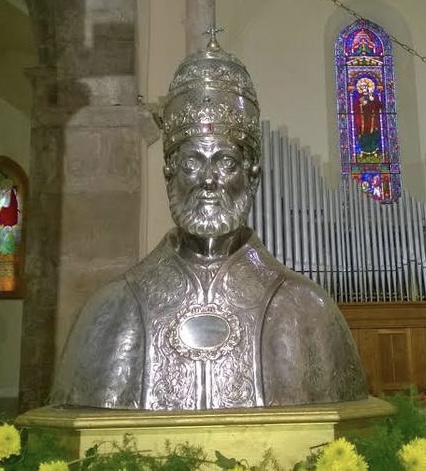
Soter (Greek Sōtēr, 'saviour') succeeded Anicetus around AD 167 and governed the Roman community for some seven years. He is known to us principally through the letter that the bishop Dionysius of Corinth wrote to him around AD 170, which Eusebius preserves in part (Church History 4.23) and which is the most extensive description we have of the practical pastoral life of any 2nd-century pope.
Dionysius writes that 'from the beginning it has been your custom to do good to all the brethren in many ways and to send contributions to the many churches in every city. Thus relieving the want of the needy and making provision for the brethren in the mines by the contributions which you have sent from the beginning, you Romans keep up the ancestral customs of the Romans, which your blessed bishop Soter has not only not abandoned but has even surpassed, by the splendid arrangement which he has made for the sending out of supplies to the saints and by the rich words which he has addressed in his exhortations to the brethren when they come up to Rome, as a loving father might.'
The letter establishes that by the mid-2nd century the Roman Catholic community had developed a substantial and continuous charitable-financial relief programme for poorer Christian communities across the entire Mediterranean — a practice the letter explicitly traces 'from the beginning' (suggesting the Petrine origin), and one which Soter intensified. He is therefore the foundational documented example of the Roman papal charitable role to other Christian churches.