
MIRACULOUS MIRACLES™

Saint — Robert of Newminster

St. Robert of Newminster
c. 1100 AD, Gargrave, Yorkshire (Anglo-Norman family) — June 7, 1159 AD, Newminster Abbey, Northumberland
Cistercian abbot of Newminster; disciple-companion of St. Aelred of Rievaulx; English Cistercian father
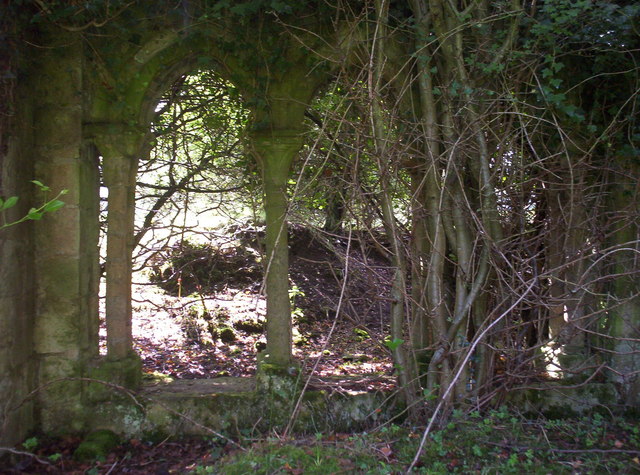
Newminster Abbey, near Morpeth, Northumberland, England — his foundation of 1138; ruined Cistercian abbey, United Kingdom
Feast
June 7
Canonized
Pre-congregation; cult established at Newminster immediately after his death; entered into the Roman Martyrology under Pope Sixtus V in 1584
Life

Robert was born around 1100 in Gargrave, Yorkshire — an Anglo-Norman family of the North Riding of Yorkshire (the principal Cistercian region of medieval England).

Educated at the University of Paris (one of the earliest documented English Catholic students at the nascent University of Paris), he returned to England as a secular priest and served at the parish of Gargrave before entering the Benedictine Abbey of Whitby around 1132.

When the famous Fountains Abbey was founded in 1132 as a Cistercian-reformist breakaway from the Benedictine Abbey of St. Mary's at York, Robert joined the original Fountains community under Abbot Richard. He became one of the principal early English Cistercian fathers — a contemporary and close associate of St. Aelred of Rievaulx (1110–1167, the principal English Cistercian-spiritual writer).

In 1138 — when the community at Fountains was expanding through the foundation of daughter-houses — Robert was appointed founding abbot of the new Cistercian community at Newminster in Northumberland, one of the principal northern English Cistercian foundations of the period.

Robert's twenty-one-year abbacy at Newminster (1138–1159) was devoted to the establishment of the characteristic Cistercian discipline at the Anglo-Scottish border foundation. Under his governance, Newminster founded three daughter-houses: Pipewell (Northamptonshire, 1143), Sawley (Yorkshire, 1148), and Roche (Yorkshire, 1147) — producing the Newminster-Cistercian federation of the English North.

He maintained deep personal friendships with St. Aelred of Rievaulx and with St. Godric of Finchale (the famous Northumbrian hermit-saint, the famous composer of the earliest surviving Middle English lyric poems) — the twelfth-century English Cistercian-Northumbrian spiritual-friendship circle.

He died at Newminster on June 7, 1159, and was buried at his abbey-church. Per the hagiographical tradition, St. Godric of Finchale (then in his hermit-cell at Finchale Priory) beheld a vision of Robert's soul being carried to heaven at the moment of his death — the famous Cistercian-hermit spiritual-friendship vision.

Miracles & Phenomena
  • The Newminster-Cistercian federation of the English North

    Robert of Newminster's twenty-one-year abbacy (1138–1159) and the founding of three daughter-houses (Pipewell 1143, Roche 1147, Sawley 1148) produced the Newminster-Cistercian federation that institutionally shaped the Cistercian-Catholic culture of the English North. The Newminster federation, together with the sister-foundations of Rievaulx (under St. Aelred), Fountains (under Abbot Richard), and Byland (under Abbot Roger), produced the characteristic 12th-century English Northern Cistercian culture that underpinned the Catholic-Anglo-Saxon spiritual tradition of the English North.

  • The vision of St. Godric at the death of Robert

    The hagiographical tradition that St. Godric of Finchale (in his hermit-cell at Finchale Priory) beheld a vision of Robert of Newminster's soul being carried to heaven at the moment of his death on June 7, 1159 — is the classic Northumbrian Cistercian-hermit spiritual-friendship vision-narrative. The story illustrates the deep Catholic-spiritual friendships of the English 12th-century Cistercian-Northumbrian circle (Robert of Newminster, Aelred of Rievaulx, Godric of Finchale).

Relics
  • Body
    Tomb of St. Robert of Newminster
    Newminster Abbey, near Morpeth, Northumberland, England — ruined Cistercian abbey; tomb destroyed in the 1537 Reformation dissolution; fragmentary archaeological remains

    His tomb at the Newminster Abbey was destroyed in the 1537 Reformation dissolution; the abbey survives in picturesque ruined form (English Heritage). memorial veneration is maintained at the Catholic Diocese of Hexham and Newcastle.

Iconography
  • Robert of Newminster founding the abbey

    The early-12th-century English Cistercian abbot in white Cistercian habit at the foundation of the Newminster Abbey in 1138 in Northumberland, the architectural plan of the future Cistercian abbey unfolding, the Cheviot Hills of the Anglo-Scottish border visible in the distance — the iconography of Catholic English-Cistercian foundation tradition.

Patronages
Northumberland (England) and the Anglo-Scottish border-Catholic traditionCatholic English Cistercian tradition (with St. Aelred of Rievaulx, St. Stephen Harding, St. William of York)Catholic Cistercian-Catholic friendships (his deep friendship with St. Godric of Finchale)