
Rudolf Acquaviva (Italian Rodolfo Acquaviva d'Aragona) was born on October 2, 1550 at Atri in the Kingdom of Naples to the noble Acquaviva family — nephew of Claudio Acquaviva SJ, the future 5th Jesuit Superior General (1581–1615).
At the age of 18 (1568), Rudolf entered the Society of Jesus at Rome. In 1578 he was sent to Portuguese Goa as Jesuit missionary.
In 1580, Rudolf was selected as leader of the Jesuit mission to the Mughal Emperor Akbar the Great (1556–1605) at the Mughal court of Fatehpur Sikri — the first Jesuit mission to the Mughal Empire. Rudolf spent three years (1580–1583) at Akbar's court — engaging in famous Christian-Muslim-Hindu-Jain-Zoroastrian religious dialogues at Akbar's Ibadat Khana ('House of Worship').
Recalled to Goa in 1583 by his uncle Superior General Claudio Acquaviva, Rudolf was sent to the Portuguese-Goan Salcete peninsula — the Jesuit missionary territory in the Konkani-Hindu region of Goa.
On July 25, 1583 (the feast of St. James the Greater), Rudolf and four Jesuit companions (Alfonso Pacheco, Peter Berno, Anthony Francisco, Francis Aranha) arrived at the village of Cuncolim in Salcete — to establish a new Catholic church.
The Cuncolim Hindu villagers — specifically angered by the previous Portuguese-Jesuit destruction of their Hindu temples — attacked the Jesuit party. Rudolf and his four companions were hacked to death — the Salsette Jesuit protomartyrs.
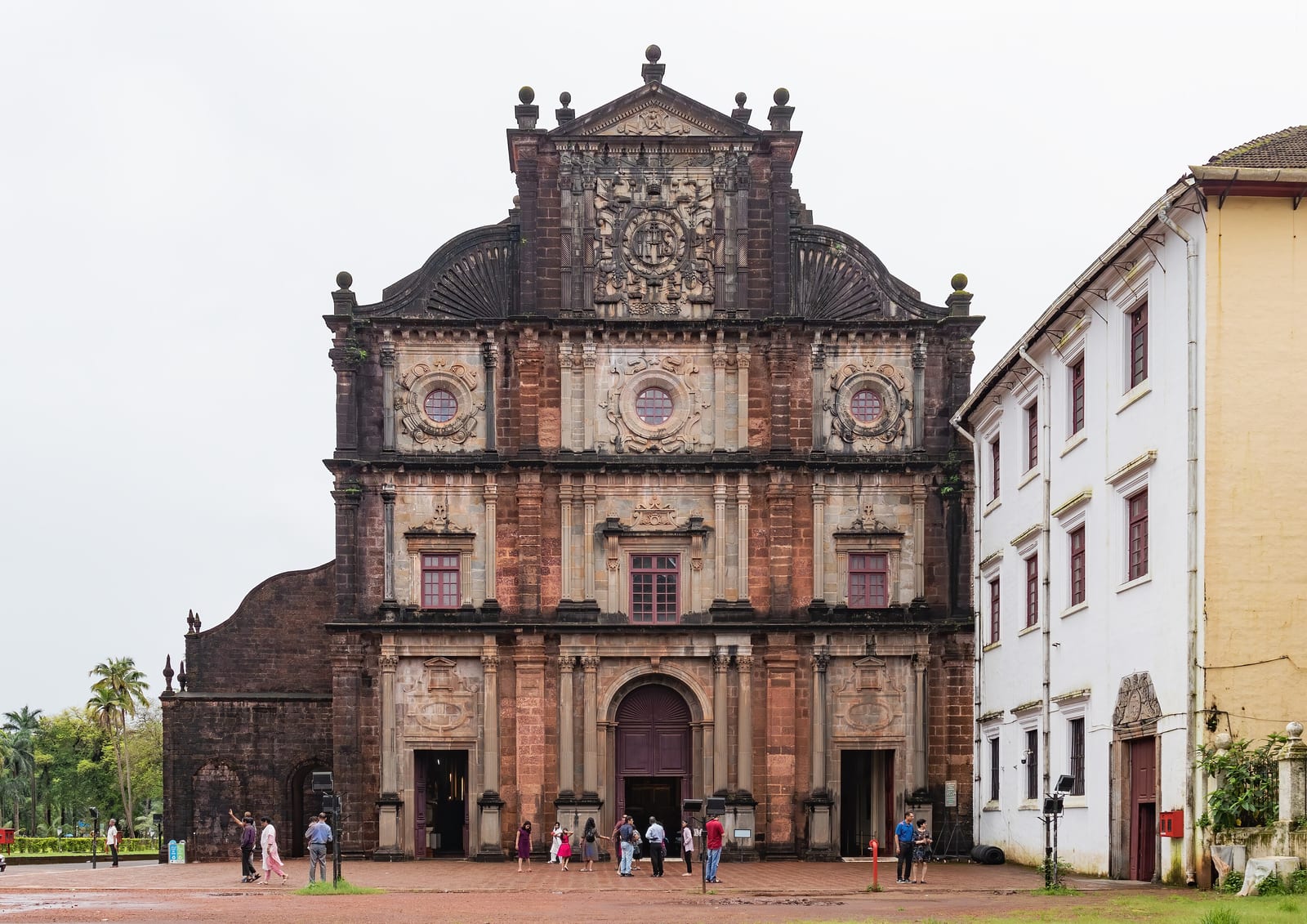
The Salsette martyrs' bodies were recovered by Portuguese soldiers and translated to the Church of the Bom Jesus at Old Goa. Beatified in 1893 by Pope Leo XIII.