
MIRACULOUS MIRACLES™

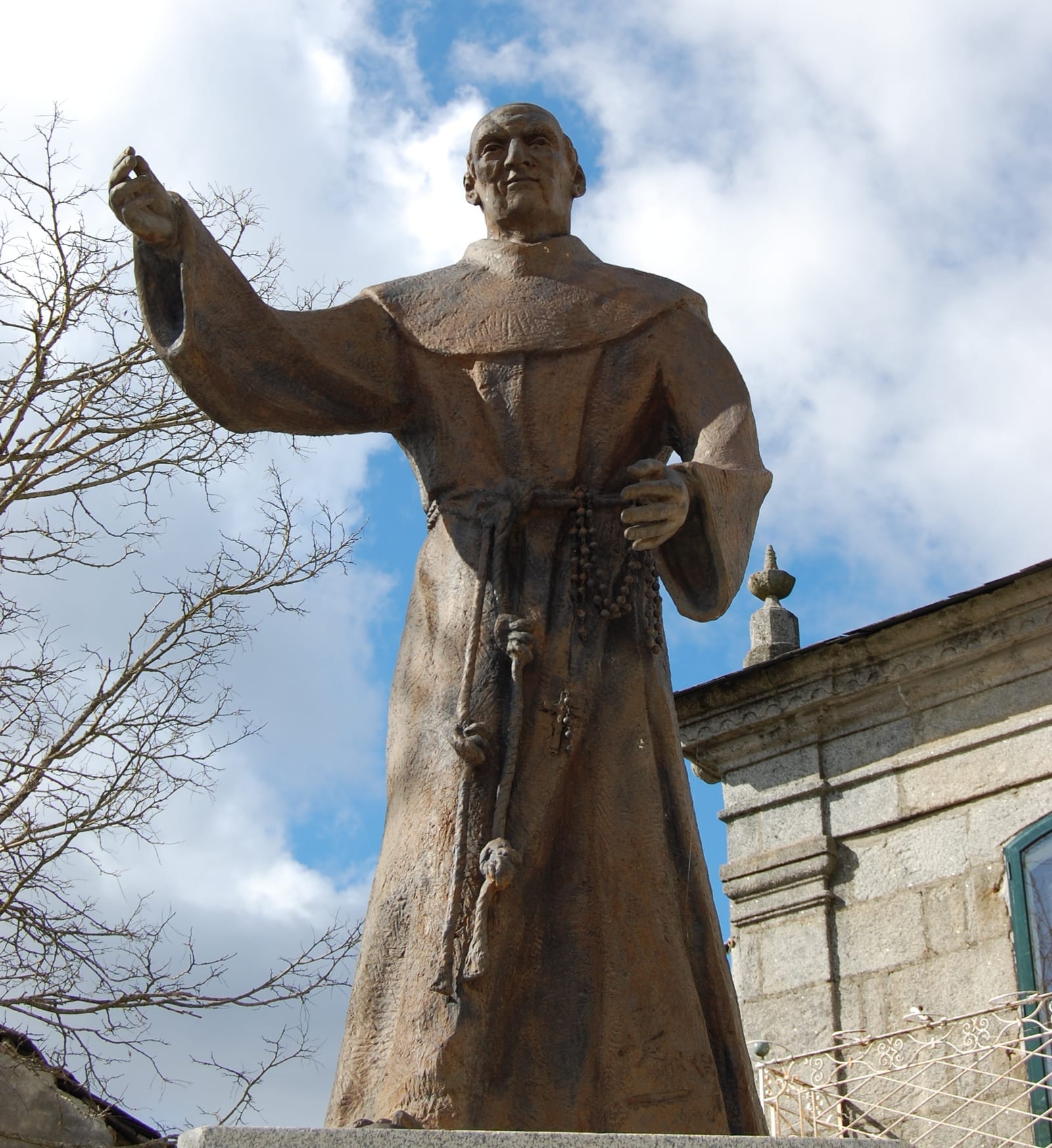
Saint — Bl. Sebastian de Aparicio

Bl. Sebastian de Aparicio
January 20, 1502 AD, La Gudiña, Kingdom of Galicia (Spain) — February 25, 1600 AD, Puebla, New Spain (Mexico)
Spanish Franciscan lay-brother; patron of transportation workers in Mexico
Convent of San Francisco, Puebla, Mexico — his tomb and shrine, Mexico
Feast
February 25
Canonized
Beatified May 17, 1789 by Pope Pius VI
Life

Sebastian de Aparicio was born on January 20, 1502 at La Gudiña in Galicia to a Spanish peasant family. At the age of 31 (1533), Sebastian migrated to New Spain (Mexico) — undertaking the vocation of road-building and cattle-driving across the newly-conquered Mexican territory.

Sebastian became famous during his lifetime for building the first cart-roads across Mexico — connecting the silver-mining city of Zacatecas (producing the Spanish American silver production of the 16th century) with Mexico City. The Aparicio cart-road system became the institutional foundation of the Mexican transportation infrastructure.

In 1552, Sebastian married the widow of a wealthy Mexican merchant — taking the virgin-marriage vow. On his wife's death, Sebastian married a second time — again in a virgin-marriage arrangement. On the death of his second wife, Sebastian donated all his accumulated wealth to the Poor Clare Convent of Mexico City and entered the Franciscan Order as a lay-brother — at the age of 71 (1573).

For the 27 years (1573–1600), Sebastian served as Franciscan lay-brother at the Convent of San Francisco at Puebla — serving as porter, alms-collector, and infirmarian.

He died at Puebla on February 25, 1600 at the age of 98.

Miracles & Phenomena
  • The Mexican transportation infrastructure

    Bl. Sebastian de Aparicio's construction of the first cart-roads across Mexico — connecting Zacatecas with Mexico City — established the Mexican transportation infrastructure and the transportation-workers patronage of the Mexican Catholic tradition.

Relics
  • Body
    Tomb of Bl. Sebastian de Aparicio
    Convent of San Francisco, Puebla, Mexico

    His tomb at the Convent of San Francisco at Puebla survives in continuous Catholic Franciscan liturgical use.

Iconography
  • Sebastian de Aparicio with the ox-cart

    The 16th-century Spanish-Mexican Franciscan lay-brother standing beside an ox-cart on the Mexican dirt road — the iconography of Catholic Mexican transportation-worker tradition.

Patronages
Catholic transportation workers (patron of Mexican truckers, cattle drivers, road-builders)Puebla and the Mexican Franciscan Catholic traditionOrder of Friars Minor