
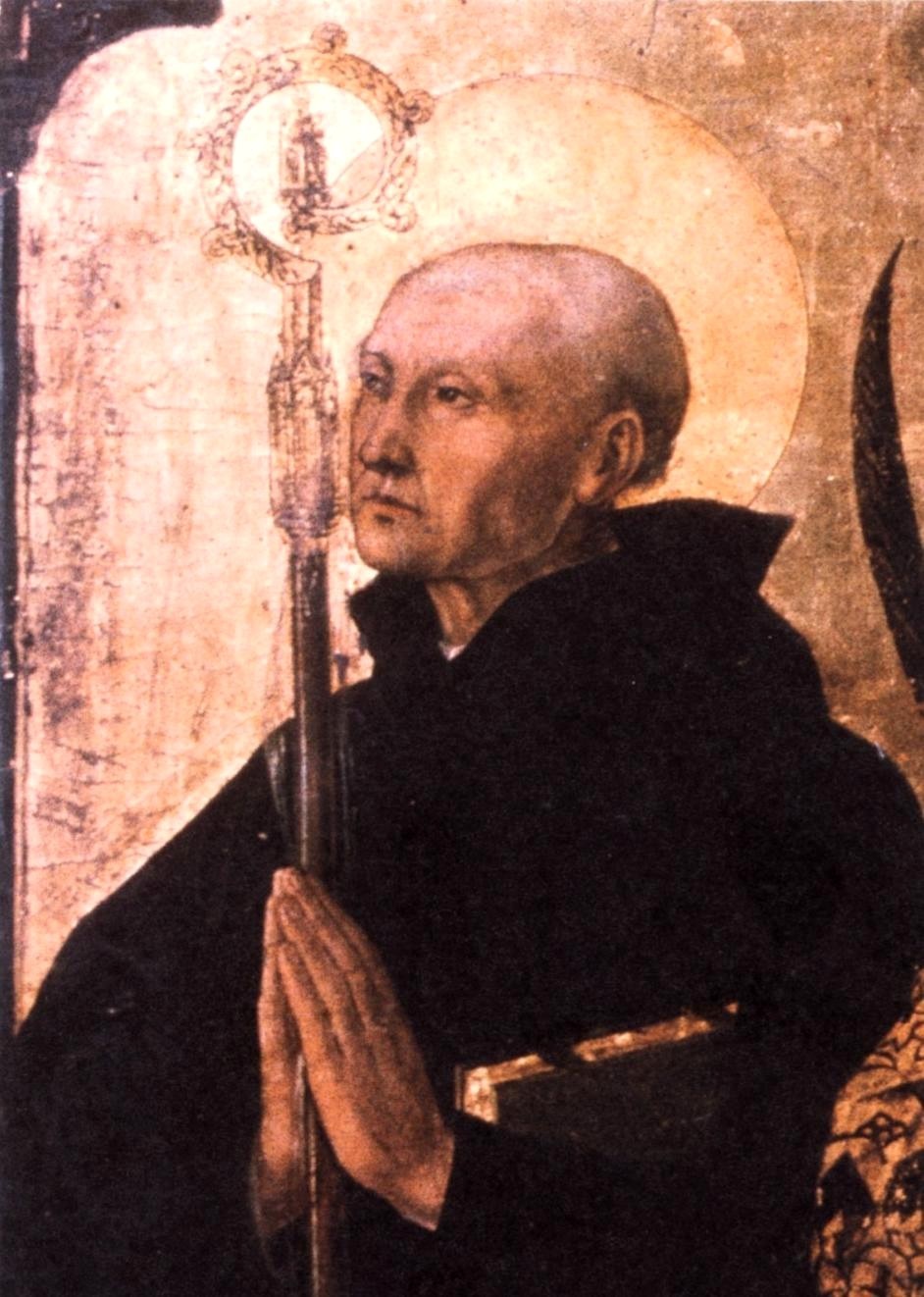
Severin (Latin Severinus) was — per the foundational Vita Sancti Severini composed around 511 AD by his disciple Eugippius (an extremely valuable and historically reliable 5th-century Latin saint's life, one of the principal historical sources for the collapse of the Roman Empire's Danube frontier in the second half of the 5th century) — a Latin-speaking Christian who arrived in the rapidly-collapsing Roman frontier-province of Noricum Ripense (the Danube-frontier territory along the southern bank of the Danube in what is now Lower Austria and northern Slovenia) around 453 AD, immediately after the death of the Hun warlord Attila.
The Vita's careful authorial silence on Severin's origins is itself a historical clue: Eugippius (writing only a generation after Severin's death and to a Roman audience) appears to be deliberately concealing Severin's pre-Noricum background — almost certainly because Severin had been a high-ranking Roman patrician or imperial-administrative official who had renounced his earlier career to undertake the Noricum ministry. Modern critical scholarship has speculated that Severin may have been a former high-ranking Roman imperial-administrative official of North African Vandal-conquered family origin, but the question remains open.
What is established is Severin's foundational role in the difficult three decades of the collapse of Roman governance in Noricum (453–482 AD). He travelled continuously along the Danube frontier, organizing the small towns and remaining Roman populations through a sequence of disasters: Hun successor-state raids, Ostrogothic invasions, Rugian invasions, Visigothic-Federate movements, severe famines, river-flood catastrophes, and the gradual general collapse of Roman urban-administrative life. He performed extensive direct charitable work (organizing famine-relief distributions, ransoming captives, intervening in family-crisis situations) and substantial diplomatic work (he is recorded as personally negotiating with successive barbarian leaders — most famously with the future Ostrogothic King Odoacer, whose personal conversion and rise to the throne of Italy in 476 AD is partly attributed in the Vita to Severin's personal influence on him as a young man).
Severin established a small monastic community at Favianae (modern Mautern an der Donau) that became the principal Catholic religious centre of the late-Roman Norican Danube frontier. He died at Favianae on January 8, 482 AD, six years after the formal collapse of the Western Roman Empire under Odoacer (476). His body was preserved at the small monastery for six years; in 488, when the Norican Roman populations were finally forcibly evacuated southward across the Alps by the Ostrogothic governance, his disciples carried his body with them. The body was eventually deposited at Naples, where it remains at the Castel dell'Ovo. He is one of the foundational early-medieval Catholic figures of the Roman-to-medieval European transition.