
MIRACULOUS MIRACLES™

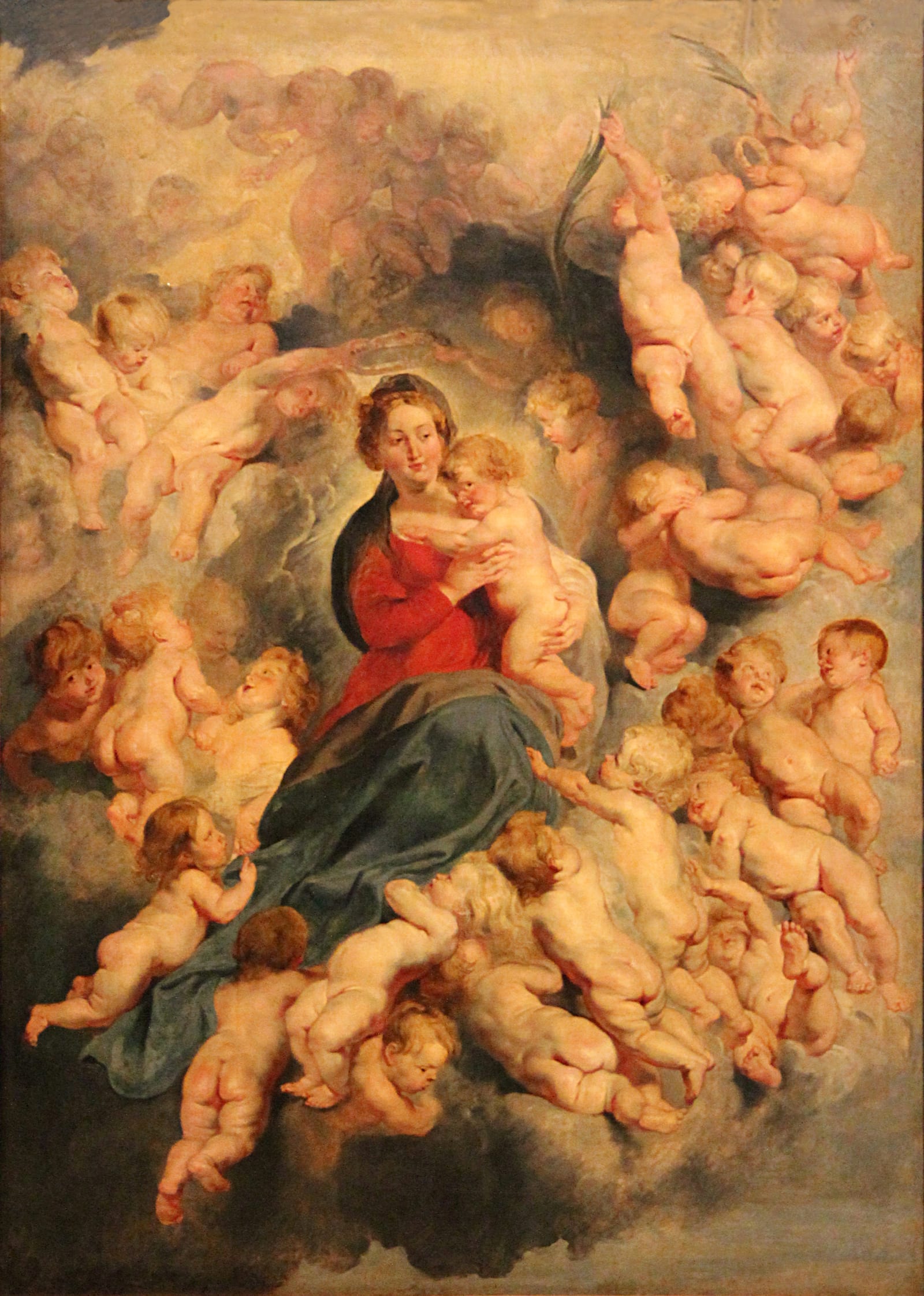
Saint — The Holy Innocents of Bethlehem

The Holy Innocents of Bethlehem
c. 7–4 BC, Bethlehem and its environs — c. 4–2 BC, Bethlehem
The First Martyrs of Christ — Slain by Herod the Great
Chapel of the Holy Innocents, Church of the Nativity, Bethlehem, Palestinian Authority
Feast
December 28 (Latin); December 29 (Byzantine)
✠ MartyrMale infants of Bethlehem slain by order of Herod the Great, c. 4-2 BC — the first martyrs of the Christian era → The Martyrs
Life

The Holy Innocents are the male children of Bethlehem and its surrounding district under the age of two, ordered killed by Herod the Great in his attempt to destroy the infant Christ — the episode recorded in Matthew 2:16–18. Herod, deceived by the failure of the Magi to return to Jerusalem and report the location of the new-born King they had been seeking, ordered the massacre on the basis of the Magi's information about the timing of the appearance of the Star.

The historical number of the Innocents has been variously estimated. The exaggerated medieval estimates (14,000 in the Byzantine, 144,000 in some Syrian traditions) reflect symbolic and liturgical considerations; modern historical estimates of the population of Bethlehem and its district at the time suggest a more sober number of perhaps 20–50 male infants killed. The chronology of the Massacre (within two years of the Magi's visit to Bethlehem) places the date roughly 4–2 BC.

They are venerated as the first martyrs of the Christian era — killed for Christ before they could profess Christ in words. Their feast on December 28 (the fourth day of the Christmas Octave) is part of the ancient cluster of December commemorations of the Nativity (Christmas Day, St. Stephen the Protomartyr on Dec 26, St. John the Evangelist on Dec 27, the Holy Innocents on Dec 28). In the modern Catholic Church the day has become a focus of pro-life devotion.

Miracles & Phenomena
  • Liturgical Octave-day witness

    The placement of the Feast of the Holy Innocents on the fourth day of the Christmas Octave (December 28) — alongside Stephen the Protomartyr (Dec 26) and John the Evangelist (Dec 27) — establishes the liturgical typology of the three modes of Christian martyrdom: martyrdom in deed and will (Stephen), martyrdom in will only (John), and martyrdom in deed only (the Innocents). The threefold liturgical witness is one of the earliest stable patterns of the Latin liturgical year.

Relics
  • Body
    Tomb of the Holy Innocents
    Chapel of the Holy Innocents, Church of the Nativity, Bethlehem

    A small chapel-cave in the lower level of the Church of the Nativity at Bethlehem (directly beneath the Grotto of the Nativity) preserves what tradition identifies as the burial site of some of the Innocents. Major relics are also at the Basilica of Santa Maria Maggiore in Rome (translated in the 8th century) and at the Holy Innocents Catholic Church of New York City.

Iconography
  • The Massacre of the Innocents

    Herod's soldiers seizing male infants from the arms of weeping Bethlehemite mothers — the iconographic scene depicted across the entire Latin and Byzantine artistic traditions, most famously by Giotto (Padua), Pieter Bruegel the Elder (1565–67), Peter Paul Rubens (1612), and Nicolas Poussin (1628).

Patronages
ChildrenInfantsFoundlingsVictims of infanticide (declared in modern times the patrons of the pro-life movement)Choirboys (traditional patronage from medieval custom)