
MIRACULOUS MIRACLES™

Saint — Wala of Corbie

St. Wala of Corbie
c. 755 AD, Aachen, Frankish royal palace (grandson of Charles Martel) — August 31, 836 AD, Bobbio Abbey, Lombardy
Abbot of Corbie and Corvey; brother of Adalhard; Carolingian statesman-monk
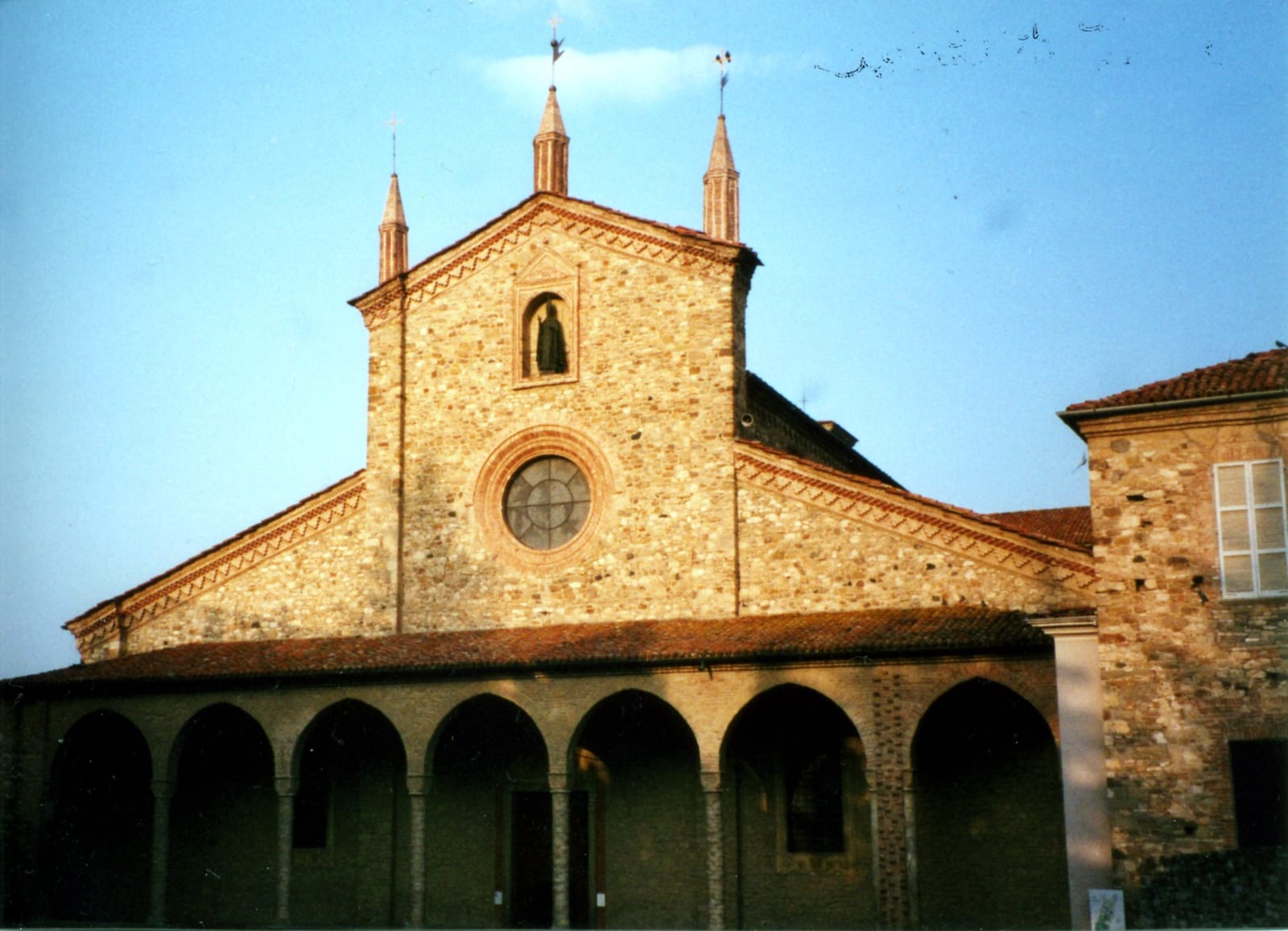
Bobbio Abbey, Lombardy, Italy — where Wala died in exile; the great Columbanian abbey of northern Italy, Italy
Feast
August 31
Canonized
Pre-congregation; cult established at Corbie and Bobbio
Life

Wala (Latin Vala) was the younger brother of St. Adalhard of Corbie — both grandsons of Charles Martel and first cousins of Charlemagne. Like his brother he served in the Carolingian inner circle, but with a more pronounced political-statesman vocation.

Charlemagne appointed him principal tutor (along with his brother Adalhard) of the boy-king Pippin of Italy. After Pippin's death in 810, Wala served as regent for his minor son Bernard until 814. When Louis the Pious displaced Bernard from the Italian throne in 817 (and blinded him to death in 818), Wala — already exiled along with Adalhard to monastic seclusion — entered Corbie as a monk under his brother's abbacy.

On Adalhard's death in 827, Wala succeeded as abbot of Corbie (and also of Corvey, the new Saxon foundation). For the next six years he was the monastic statesman of the empire — leader of the so-called 'Adalhardine' party of Carolingian reform.

In the great civil war of 830–833 between Louis the Pious and his sons, Wala took the side of the elder sons (Lothair, Pippin, Louis the German) against the partition that Louis had decreed in favour of his youngest son Charles the Bald (born to his second wife Judith of Bavaria). At the Field of Lies (Campus Mendacii, June 833), where Louis the Pious was abandoned by his army and forced to undergo public penance at Soissons, Wala was the principal monastic-clerical figure of the rebellion.

When Louis the Pious returned to power in 834, Wala was sent into permanent exile at the Columbanian abbey of Bobbio in Lombardy, where he died on August 31, 836 — making him among the Catholic political confessors-of-conscience among the higher Carolingian ecclesiastical hierarchy.

Miracles & Phenomena
  • The conscientious confessor at the Field of Lies

    Wala's role at the Field of Lies of June 833 — where the Carolingian episcopate (led by Wala, Agobard of Lyons, and Ebbo of Reims) compelled Emperor Louis the Pious to public penance for his perceived violation of the Carolingian succession-ordinance of 817 — is the early-medieval Catholic precedent for episcopal political action of conscience against perceived royal violation of legitimate ecclesiastical-political order. The act foreshadowed the medieval doctrine of episcopal-and-monastic conscience against royal authority that would shape the Investiture Controversy and the medieval European church-state relationship.

Relics
  • Body
    Tomb of St. Wala
    Bobbio Abbey, Lombardy, Italy — the Columbanian abbey where Wala died in 836 exile; his body translated later to Corbie in Picardy, France; medieval shrine destroyed in the French Revolution

    Wala's body was returned from Bobbio to Corbie shortly after his death; his medieval shrine at Corbie was destroyed in the French revolutionary dissolution of 1790. The Bobbio Abbey survives as a major Catholic Italian abbey site.

Iconography
  • Wala at the Field of Lies

    The early-9th-century Carolingian abbot in Benedictine habit at the Field of Lies (June 833) confronting Emperor Louis the Pious, the Carolingian succession-ordinance of 817 displayed before him — the iconography of Catholic episcopal-and-monastic conscience confronting royal political authority.

Patronages
Catholic Carolingian statesman-monk traditionCatholic political confessors of conscienceBobbio Abbey