
Walburga was raised in the great Wessex monastery of Wimborne under Abbess Tetta, where she lived for twenty-six years before answering the call of her uncle Boniface to come to Germany around 748 to staff the new German monasteries.
Around 761 her brother Wynnebald died and she succeeded him as abbess of the double monastery of Heidenheim — the only nun ever to govern both the men's and women's communities of an early medieval Bavarian double monastery. She ruled there for eighteen years, dying at Heidenheim in 779.
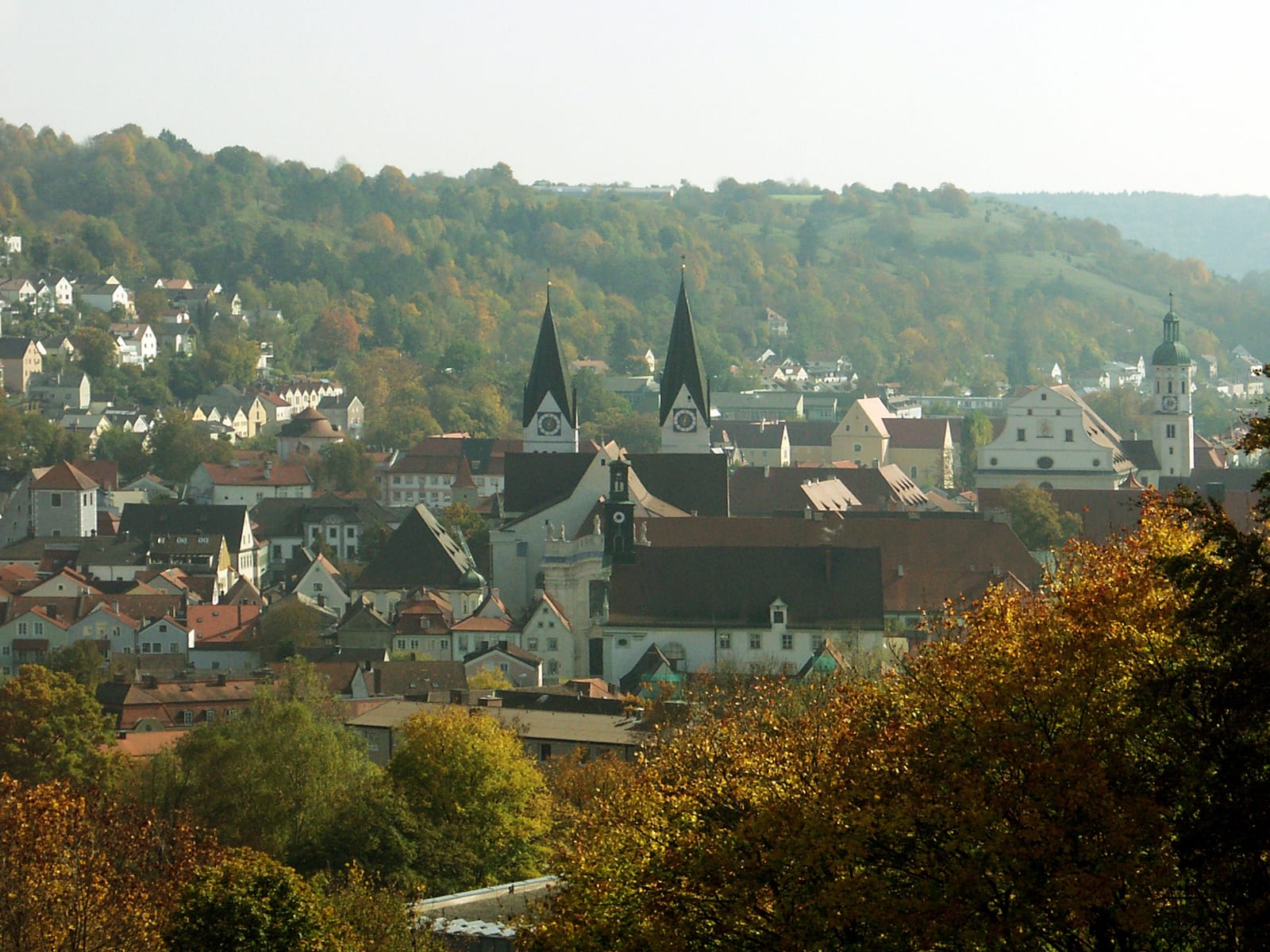
From the 9th century her tomb at Eichstätt has exuded a clear, watery, oily liquid known as 'Walburgis-Öl' — Saint Walburga's Oil — which has been collected in small vials from the early medieval period. The oil is still produced today: a steady drip is observed from a hollow in her relic-stone, generally between October 12 (the translation of her relics) and February 25 (her feast day). Pilgrims worldwide continue to receive small vials at the Abbey of St. Walburga in Eichstätt.
The translation of her relics on May 1, 870 from Heidenheim to Eichstätt is the origin of the night-before festival 'Walpurgisnacht' that became fixed in Germanic folklore as a night of witches' assemblies — an unusual case of a saintly memorial day acquiring an inverted folk-pagan overlay.