
MIRACULOUS MIRACLES™

Saint — Sts. Zechariah and Elizabeth

Sts. Zechariah and Elizabeth
c. 50 BC, Judea — c. 1–10 AD (Zechariah said by tradition to have been martyred during Herod's massacre of the Innocents); Elizabeth uncertain
Parents of John the Baptist — Cousins of the Virgin Mary
Church of the Visitation, Ein Karem, Jerusalem, Israel
Feast
September 23 (Zechariah, traditional Latin); November 5 (Joint, with Elizabeth, both calendars)
✠ MartyrZechariah, per tradition, martyred at the Jerusalem Temple during Herod's massacre of the Innocents; Elizabeth's death uncertain → The Martyrs
Life

Zechariah (Hebrew Zekharyah, 'YHWH has remembered') was a Jewish priest of the priestly course of Abijah serving at the Jerusalem Temple. Elizabeth (Hebrew Elisheva, 'God is my oath') was his wife, a daughter of the priestly tribe of Aaron and (per Luke 1:36) a kinswoman of the Virgin Mary. The couple were 'advanced in days' (Luke 1:7) and had been childless throughout their long marriage.

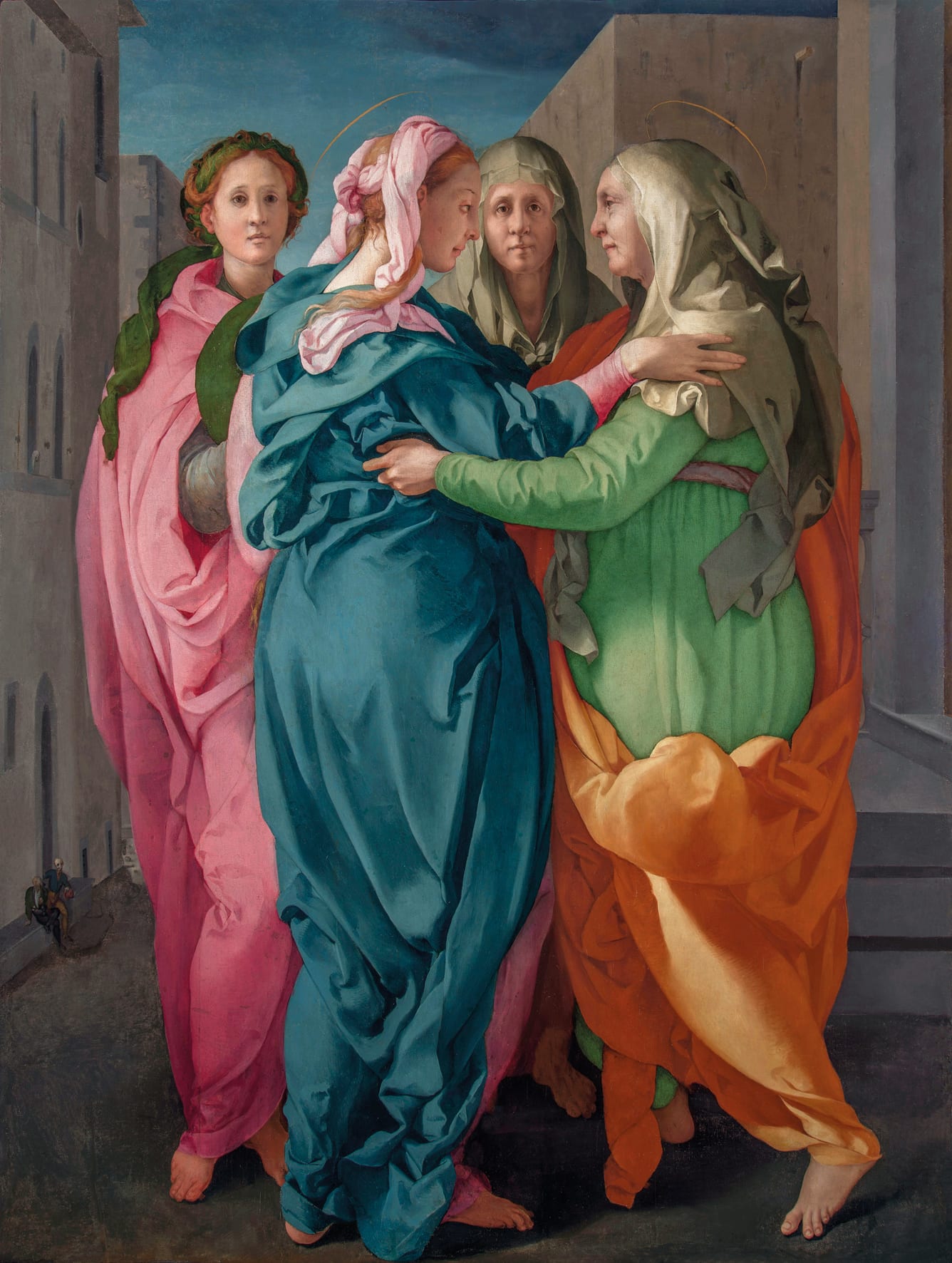
On the day of his priestly course at the Temple, Zechariah was chosen by lot to offer the incense in the Holy Place. The angel Gabriel appeared to him at the altar of incense and announced that Elizabeth would bear a son to be named John (Yohanan, 'YHWH has been gracious'), the forerunner of the Messiah. Zechariah doubted the message and was struck dumb for the duration of the pregnancy. Six months into Elizabeth's pregnancy, Gabriel appeared also to the Virgin Mary at Nazareth and announced the conception of Christ; Mary then travelled to Ein Karem to visit her cousin Elizabeth (the Visitation, Luke 1:39–56). At the meeting John leaped in Elizabeth's womb in recognition of the Christ in Mary's womb. Elizabeth pronounced the salutation that became the first half of the Hail Mary ('Blessed art thou among women, and blessed is the fruit of thy womb'), and Mary responded with the Magnificat.

At the birth of John, when Elizabeth named him over the family's objections, Zechariah's tongue was loosed and he prophesied the Benedictus (Luke 1:68–79) — one of the three great New Testament canticles sung daily in the Liturgy of the Hours. Tradition holds that Zechariah was killed during Herod's massacre of the Innocents — refusing to reveal where his young son had been hidden. The Church of the Visitation at Ein Karem (rebuilt 1955 by Antonio Barluzzi) marks the traditional site of the family home and the Visitation.

Miracles & Phenomena
  • The Visitation

    Elizabeth's prophetic recognition of the Christ in Mary's womb at the moment of their meeting at Ein Karem (Luke 1:41–45) — confirmed by John's leaping in her womb — is one of the foundational New Testament Marian-pneumatic events.

  • Zechariah's Benedictus

    Zechariah's prophecy at the naming of John (Luke 1:68–79) — the Benedictus — is one of the three great Lucan canticles (with the Magnificat of Mary and the Nunc Dimittis of Simeon) sung daily in the Liturgy of the Hours of the universal Church.

Relics
  • Body
    Tomb of Zechariah (Jerusalem)
    Kidron Valley, Jerusalem — Tomb of Zechariah (Jewish-Roman tomb traditionally identified with him); relics also at the Lateran and at the Great Mosque of Aleppo (which preserved his reputed head for centuries)

    The Kidron Valley tomb known as the Tomb of Zechariah is a Second Temple period Jewish-Roman tomb traditionally identified by Jewish, Christian, and Muslim tradition with him. The reputed head of Zechariah was preserved at the Great Mosque of Aleppo from medieval times until destruction in the Syrian civil war.

Iconography
  • Zechariah at the altar of incense

    The Jewish priest in priestly vestments at the altar of incense in the Holy Place of the Temple, the angel Gabriel beside him; Elizabeth with the infant John beside her at the Visitation — the iconography of the Forerunner's parents.

Patronages
Childless couplesMarried couples in old ageParents of priestsSons born in old ageEin Karem